
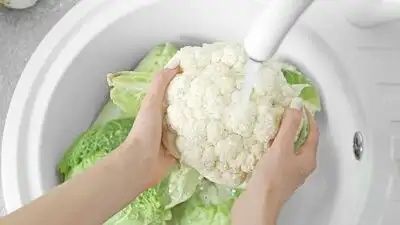
Cauliflower, also known as “Gobhi,” is one of the most loved delicacies of Indian households! With the change of season, it is officially the best time to enjoy this humble veggie, but as much as people love this veggie, cleaning cauliflower is no less than a daunting task, and it certainly calls for expertise! Well, if you are new to cooking and cleaning, cauliflower seems like a task, but then we have got your back with some brilliant ways to clean and remove dirt, grime, insects, and even tiny worms hiding between the florets. Cleaning gobhi properly before cooking is not about how it looks; food safety research shows that some cleaning methods work better than others. A few smart cooking choices can also keep more of gobhi’s nutrients.
Because the cut cells break down quickly, cut it before cooking, not hours ahead Cutting cauliflower too early and leaving it exposed to air for hours speeds up the loss of vitamins, especially vitamin C,. Scientists recommend cutting gobhi before cooking to keep more nutrients. These steps do not take much extra time, but they make a real difference. They improve safety. Keep more nutrients from the cutting board to the plate. A few extra minutes of cleaning and careful cooking can turn an ordinary gobhi dish into a safer and more nutritious meal.
Because they dissolve into the cooking water, studies show that boiling cauliflower, for a time loses many vitamins. Cleaning a cauliflower head at once does not reach every crevice. Break gobhi into florets first. This increases the area that sees the cleaning water. It then removes dirt and insects effectively instead of hiding them deeper inside. Cauliflower contains vitamin C and many B vitamins. These vitamins are sensitive to heat and water. Steaming or quick stir‑frying gobhi keeps vitamins than boiling for a long time.