Easy ways to remove dust, dirt and grime without harsh chemicals
A word on safety before you start
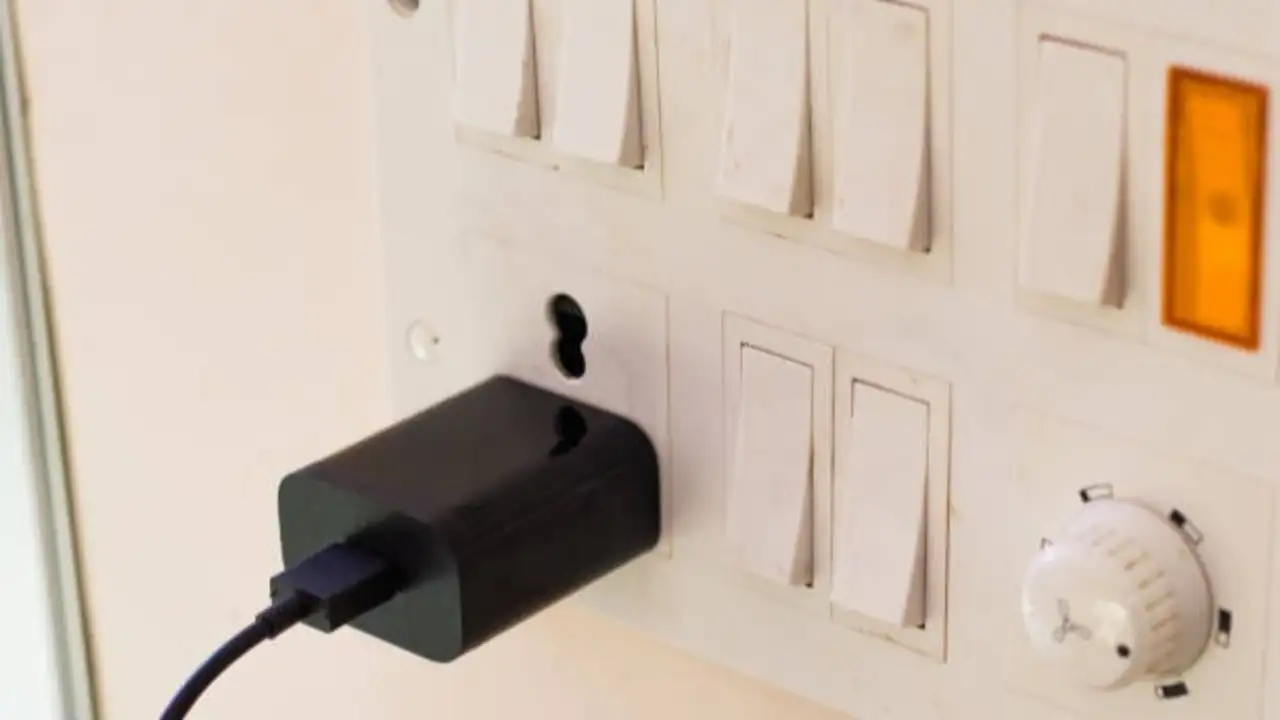
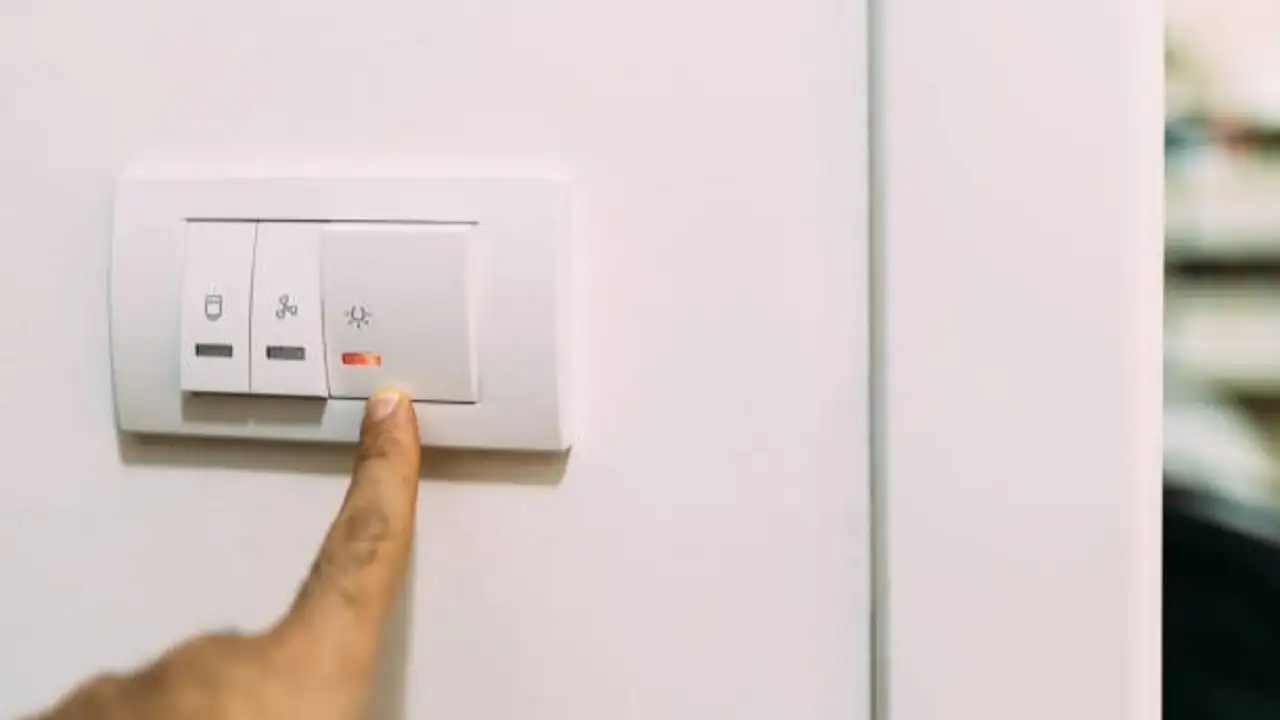
Because switch boards are set into the wall rather than sitting somewhere obvious, that buildup tends to go unnoticed for months, every time someone flips a light on or off, adjusts a fan regulator or charges their phone, a small amount of oil, dust and general grime transfers onto the plate, and. Because the surface is usually plastic and sits flush against the wall, it also tends to attract airborne dust that settles into the grooves around the switches and stays there until someone actually wipes it down. Switchboards are some of the most touched surfaces in any home and also most neglected when it comes to actual cleaning. Reach for a bottle of bleach or a strong ammonia-based cleaner, though, and you’re working around live wiring with something considerably harsher than the job actually calls for. The good news is that switchboards don’t need industrial-strength chemicals to come clean; a few things already sitting in most kitchens can do the job just as well, provided you’re careful about how you go about it. It’s easy to underestimate just how much contact a switch board gets in a day. Hands that have been cooking, gardening, eating or simply out in the world all end up on that same plate multiple times, leaving behind a thin film of oil and dust that builds up layer by layer. Add a humid climate into the mix, and that dust can cling even more stubbornly, turning what should be a quick wipe into a proper scrubbing job if it’s left unattended for too long. Cleaning anything electrical always comes with a few non-negotiables, and switch boards are no exception. It’s worth switching off the relevant circuit breaker before cleaning or, at the very least, making sure hands and cloths are properly dry before touching any switch to avoid any risk of shock. Cloths should always be damp rather than wet, wrung out thoroughly before they make contact with the switchboard, and any liquid solution should go onto the cloth first, never directly onto the plate or into the gaps around the switches. If a switchboard looks particularly worn, cracked or has any exposed wiring, that’s a job for an electrician rather than a cleaning routine; no amount of vinegar is worth working around damaged electrical fittings. Switch boards don’t need daily attention, but a light wipe-down once every couple of weeks keeps grime from building up to the point where it needs serious scrubbing. High-traffic switches, the ones near the main entrance, the kitchen, or a child’s room, tend to need slightly more frequent attention given how often they get touched through the day. For most households, folding switch boards into an existing weekly or biweekly cleaning routine, alongside door handles and other frequently touched surfaces, is enough to keep them looking presentable without turning it into a separate chore altogether. This article is intended for general informational purposes only. Always exercise caution while cleaning electrical fittings, and consider switching off the relevant circuit before cleaning. Readers with damaged, cracked or exposed switch boards should consult a qualified electrician rather than attempting to clean them at home.