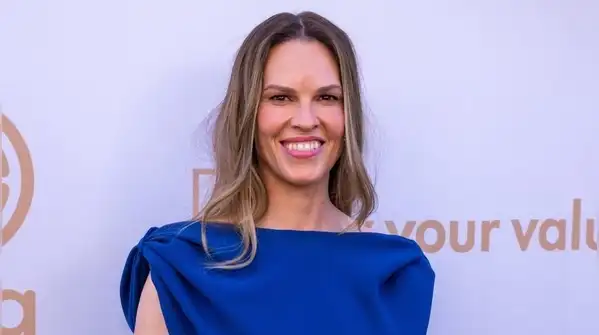
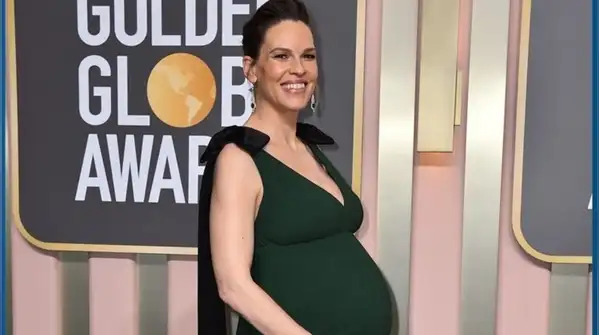
At 52, the two-time Oscar winner just announced she’s pregnant with her third child, alongside her husband Philip Schneider. They’re already parents to twins Aya and Ohm, born in 2023, and Swank shared the news on Instagram in her signature playful style: a family dance with glow sticks, complete with a tiny glowing figure over her belly hinting at the baby on the way, expected this December. Hollywood star Hilary Swank is embracing motherhood once again.
Swank’s journey keeps the spotlight on a subject getting more attention these days: Pregnancy after 40, or even after 50. Her story brings up plenty of questions, and not just about celebrity parenting. There are real medical considerations here, and experts agree: With the right information, planning, and medical care, women can navigate the challenges that come with advanced maternal age and still have healthy pregnancies.
Chances of complications, like gestational diabetes, high blood pressure, preeclampsia, miscarriage, chromosome problems, and preterm birth or stillbirth, rise as women get older, particularly beyond 40, according to the American College of Obstetricians and Gynecologists (ACOG) . The NHS recommends staying under 200 mg per day.
Let’s be real, there’s no “one-size-fits-all” when it comes to pregnancy at any age. That’s especially true later in life. But there’s more to the story. Plenty of women in their 40s and 50s deliver healthy babies, and your outcome isn’t just about your age. Your health, your medical history, even how your pregnancy began, all matter. Once you hit your 50s, pregnancy is even more complex, especially if you’re using assisted reproductive technology. With the guidance of trusted doctors, close monitoring, and a solid support system, many of those hurdles become manageable. It’s about stacking the odds in your favor. Here, we make a list of what older moms-to-be need to avoid for the best chance at a healthy, smooth pregnancy. There’s just no safe amount of alcohol during pregnancy. Even a drink here and there increases the risk of miscarriage, premature birth, and lifelong struggles for your child. Cigarettes, e-cigarettes, and anything with nicotine cause issues too; think low birth weight, early delivery, and multiple lifelong health risks. If you’re struggling to quit, don’t go it alone. Medical professionals can help. Quitting now can make a world of difference for you and your baby. You can feel fantastic and still need extra attention, especially as an older mom. Those prenatal appointments are how your doctor keeps tabs on your blood pressure, sugar levels, your baby’s growth, and any surprise complications. Prenatal genetic screening and other tests aren’t just for women with red flags; ACOG recommends discussing them with all expectant mothers. Treat your scheduled check-ups as non-negotiable. They’re your early warning system, i.e., to catch little problems before they get big. Foodborne infections like listeria hit pregnant women harder, sometimes with tragic consequences. Give raw or undercooked meat, fish, eggs, unpasteurised dairy, and sprouts a miss. Rinse fruits and veggies well and stay away from high-mercury fish like swordfish or king mackerel; instead, opt for lower-mercury choices. These rules aren’t just for older moms; they’re smart for everyone who’s pregnant. Supplements, herbal teas, even basic painkillers can have strange effects when you’re pregnant, interacting with your body or with each other in unpredictable ways. Always check with your doctor before starting, stopping, or changing any medication or supplement, even if it’s “all natural. Don’t suddenly stop essential meds either, especially if you have long-term conditions like diabetes, hypertension, or thyroid issues. Work with your doctor to find what’s safe for you and your baby. You probably don’t need to give up coffee or tea completely, but too much caffeine can be problematic. That adds up quickly, especially if you enjoy lattes or energy drinks. Be mindful, as caffeine is hidden in more places than you might think (chocolate, some supplements, sodas). Regular movement is good for you and your baby, but not all workouts are equal. Avoid contact sports, activities that could make you fall, or anything that puts your belly at risk. Don’t overheat, as hot yoga, saunas, and scorching summer runs aren’t your friend right now. Walking, swimming, or pregnancy-focused exercise routines usually work for most, but check with your doctor, especially with any medical complications. Older moms are at higher risk for chronic conditions (high blood pressure, diabetes, obesity) that complicate pregnancy. Stick with your management plans, eat balanced meals, get plenty of rest, and let your doctor know about any changes or alarming symptoms. Whether it’s severe headaches, blurred vision, heavy bleeding, severe pain, chest tightness, trouble breathing, or less movement from your baby — all of them need quick medical attention. Don’t second-guess yourself or chalk things up to “just part of being older. It’s definitely possible, but it’s not simple. Every woman’s risk profile is different, and age is just one factor. Your doctor will look at your health, your pregnancy history, how you conceived, and how things progress week by week. Swank’s story is inspiring, but remember: Your plan should come from your own health team, not a celebrity Instagram reel. The real takeaway from Swank’s story is that motherhood happens on many timelines. With the right care, age doesn’t have to stop you from building your family. But go in with open eyes, seek expert advice, and don’t skip out on regular monitoring.