

A toddler may scream when told “no,” a school-age child may storm away when upset, while a teenager may slam a door or refuse to talk. But according to psychologist Juli Fraga, there may be a better way to respond. Tantrums, angry outbursts, and difficult behaviour are a normal part of growing up. For parents, these moments can be exhausting. It can be tempting to immediately stop the behaviour, argue with the child, or lose your temper. Fraga, a psychologist and co-author of ‘ Parents Have Feelings, Too ,’ explains that children often express difficult emotions through their behaviour. Instead of looking only at the behaviour, parents can try to understand what their child may be feeling underneath it. Here are five approaches she recommends.
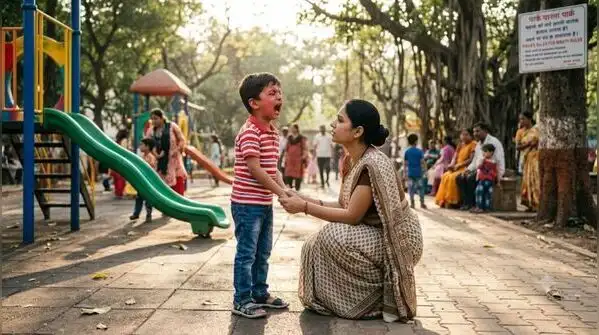

Children learn a great deal by watching their parents. So when a child’s behaviour keeps repeating, Fraga suggests that parents also take a moment to look at themselves. Ask: How do I behave when I am angry? How do I handle stress? Do I shout, withdraw, or avoid difficult emotions? Sometimes a child’s reactions may resemble patterns they see at home. This is not about blaming parents. Instead, self-reflection can help adults recognise their own emotional habits and show children healthier ways to deal with difficult feelings. A child’s behaviour can also change when they are dealing with stress or a major change. A new baby in the family, moving homes, starting a new school, or simply being extremely tired can make it harder for a child to control their emotions. Fraga suggests using the H.A.L.T. check: ask whether the child is hungry, angry, lonely, or tired. Sometimes, the solution may be surprisingly simple. A meal, some rest, or a little one-on-one time with a parent may help a child feel settled again.
Rather than seeing every outburst as simply “bad behaviour,” parents can try to look for the emotion underneath it. Handling every tantrum perfectly is impossible. Parents will lose patience sometimes, and that does not make them bad parents. What matters is how they respond over time. Staying calm, being curious, naming feelings, examining their own reactions, and checking for stress can help children gradually understand and manage their emotions. As Fraga explains, children who learn these skills can become better prepared to handle setbacks, become more independent, and try new things with greater confidence.