
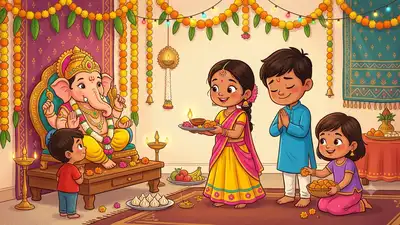
Lord Ganesh Image: AI
10 Sept 2026 | 12:19 In traditional symbolism, these features are not random. Lord Ganesha’s face, therefore, can be read almost as a visual lesson: take in more, but react less impulsively.
It means allowing another person to finish, paying attention to what is being said and noticing what may remain unspoken. Lord Ganesha ’s face is one of Hinduism’s most recognisable images: enormous ears, small eyes, a long trunk and a rounded belly. But look a little closer and his unusual appearance begins to read almost like a set of instructions for living. Why such huge ears? Why such small eyes? Why does a deity associated with wisdom appear deliberately unlike the idealised human form? Lord Ganesha’s large ears are often understood as a reminder to listen carefully, while his small eyes represent concentration and the ability to look closely. Together, they suggest something surprisingly relevant to modern life: listen more than you speak, observe more than you assume, and look beyond what appears obvious. The ears that ask us to listen Lord Ganesha’s elephant ears immediately stand out. They are large, almost impossible to ignore. In popular Hindu interpretation, those ears represent the importance of listening. But this is not simply about hearing words. Listening, in a deeper sense, requires patience. The symbolism quietly reverses a common human habit. We often approach conversations already preparing our response. We listen to argue, correct, defend or advise. Lord Ganesha’s ears offer another possibility: listen first. Then come those surprisingly small eyes If Lord Ganesha is meant to represent wisdom, why are his eyes depicted as relatively small compared with his enormous elephant head? The traditional symbolism connects the small eyes with concentration and focused attention. It is an interesting contrast. The ears are large enough to suggest receiving information from the world, while the eyes are small and focused, suggesting that not everything deserves equal attention. We can hear hundreds of opinions in a day. We can scroll through thousands of photographs, headlines and reactions. But wisdom is not necessarily about absorbing more information. It can also be about knowing what deserves our attention. A face that quietly asks us to pause There is a reason Lord Ganesha’s image can become more meaningful the longer you look at it. The ears ask us to listen. The eyes ask us to concentrate. The unusual face asks us not to judge wisdom by conventional appearance. The mouse asks us to examine our restless desires. And the entire form reminds us that seemingly contradictory qualities can exist together. That makes Lord Ganesha’s appearance more than an artistic tradition. It can also become a moment of self-reflection during Ganesh Puja. Whom have I judged too quickly? Have I really listened to the people around me? What am I giving too much attention to? Which desires are controlling my mind instead of the other way around? Perhaps that is one reason Lord Ganesha continues to feel so familiar across generations. His mythology does not only ask devotees to seek the removal of obstacles outside themselves. Sometimes, the first obstacle to examine is the way we listen, look and judge. Looking for trusted parenting advice? Follow TOI Parenting Circle on Instagram for expert guidance, relatable stories, and practical tips delivered every day. Get the latest Lifestyle News and more. Download the TOI app.