
Photo: Canva
28 Jul 2026 | 16:25 So instead of asking every afternoon, “Did you make any friends today?”, try broader questions: “What was one thing that felt easier today?” or “Was there anything interesting that happened? For a child, walking through the gates of a new school can feel like stepping into another world. The classrooms may look unfamiliar, the faces are new and even simple things- where to sit, whom to approach at lunch or how to ask the teacher for help- can suddenly feel overwhelming. And while parents may see a new school as a fresh beginning, children may experience it as a loss of everything familiar. They may miss their old teachers, friends, classroom or even the small routines they never thought mattered. And pay attention to persistent changes. If significant sadness, anxiety, behavioural difficulties or social withdrawal continue well beyond the initial adjustment period, speaking with the child’s teacher, school counsellor or a mental-health professional can be helpful. Photo: Canva For parents, the instinct to make a child’s transition completely painless is understandable. But children also learn something important when they experience change with a supportive adult beside them: unfamiliar does not necessarily mean unsafe, and uncomfortable does not mean impossible. The first goal does not have to be making your child love the new school. Sometimes, it is simply helping them walk through the gate, one morning at a time, knowing that home remains their safe place while they slowly build a new sense of belonging. Looking for trusted parenting advice? Follow TOI Parenting Circle on Instagram for expert guidance, relatable stories, and practical tips delivered every day.

That is why changing schools is not something children always adjust to overnight. What parents do before and during the transition can make the unfamiliar feel a little more manageable. Photo: Canva Once the decision has been made, avoid keeping the change a secret until the last moment. Children deserve time to process what is happening, particularly if the move was not their choice. The first few days may not tell you how the transition will ultimately go. Some children walk into a new classroom confidently and make friends almost immediately. Others watch quietly for weeks before they begin to feel comfortable. Both responses can be normal.
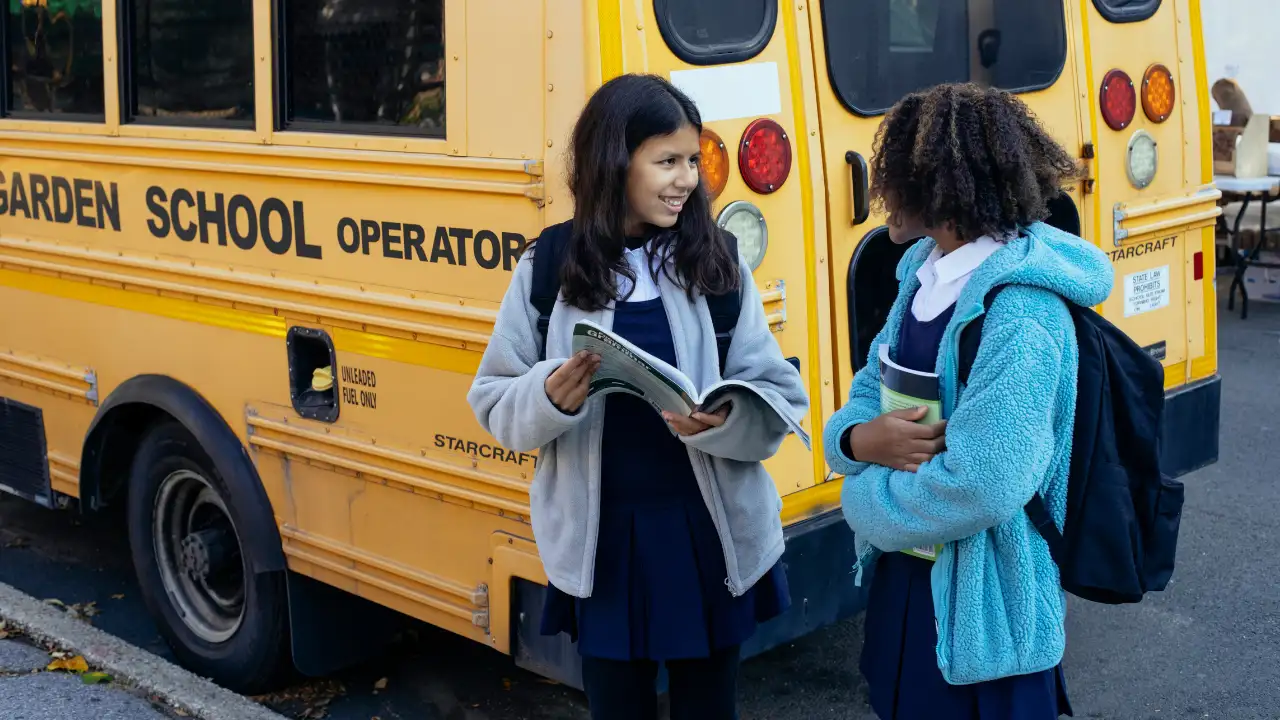
Another may fear getting lost, eating lunch alone, having a different academic level or not knowing how to approach the teacher.
There is no need to immediately turn the conversation into a celebration of the “amazing new school”. A simple response such as, “It makes sense that you’re nervous about meeting everyone,” can open the door to a much more honest conversation. Sometimes “I don’t want to go to the new school” is not really about the school.
Explain the reason for the change in an age-appropriate way and allow your child to ask questions. They may want to know everything from why they are changing schools to whether they will still be able to meet their old friends. First, let your child absorb the news. Acknowledge your child’s emotions instead of making them feel their fears are unreasonable. Your child may be excited and nervous at the same time. They may even be angry or sad about leaving their old school. The goal is not to remove every uncomfortable feeling. It is to let your child know they do not have to handle those feelings alone. A child may be worried about not knowing anyone. Ask specific but gentle questions: What part of the first day feels scary? What would make it easier? Is there something they wish they could know beforehand? Once the worry has a name, it becomes easier to make a practical plan around it. Photo: Canva Changing schools can involve a surprisingly real sense of loss. Children may be leaving behind teachers, classmates and routines that have been part of their everyday lives. Give them an opportunity to create their own goodbye. They may want to have a small farewell with friends, write a note to a favourite teacher, take photographs or simply spend some quiet time remembering the old school. Do not force a dramatic farewell if your child does not want one. For some children, a private goodbye may feel much more comfortable. One of the biggest worries for a child entering a new school is often: “Will I have any friends? Parents may be tempted to immediately arrange playdates or tell their child exactly whom they should befriend. But friendships usually develop through repeated, natural interactions. Encourage participation rather than demanding instant social success. A sports team, art activity, school club or another interest-based group can give children an easier setting in which to meet others. For a shy child, simply joining one activity may be enough at first. There is no need to expect them to come home after day one with a new best friend.