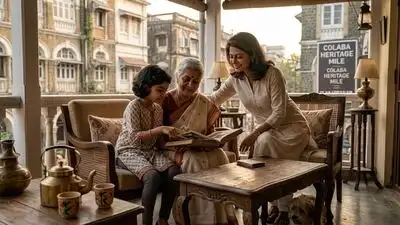
Because his own father once did the same with him, a father takes his children to see Christmas lights. A mother prepares the birthday breakfast she remembers from childhood. Another parent continues a holiday ritual, reads the same bedtime story or returns to a family vacation spot that has been part of their memories for decades. At first glance, these actions may look like simple nostalgia. But psychology suggests that family traditions can carry something much deeper. They can preserve memories, communicate family values and create a sense of identity and belonging that connects one generation to the next. Research on intergenerational transmission shows that some parenting behaviours can be influenced by experiences people had while growing up. A recent meta-analysis found that parenting practices show modest intergenerational stability, meaning that people may carry some aspects of how they were raised into the way they parent their own children. However, this transmission is far from automatic, and many factors can shape how adults ultimately raise their children.
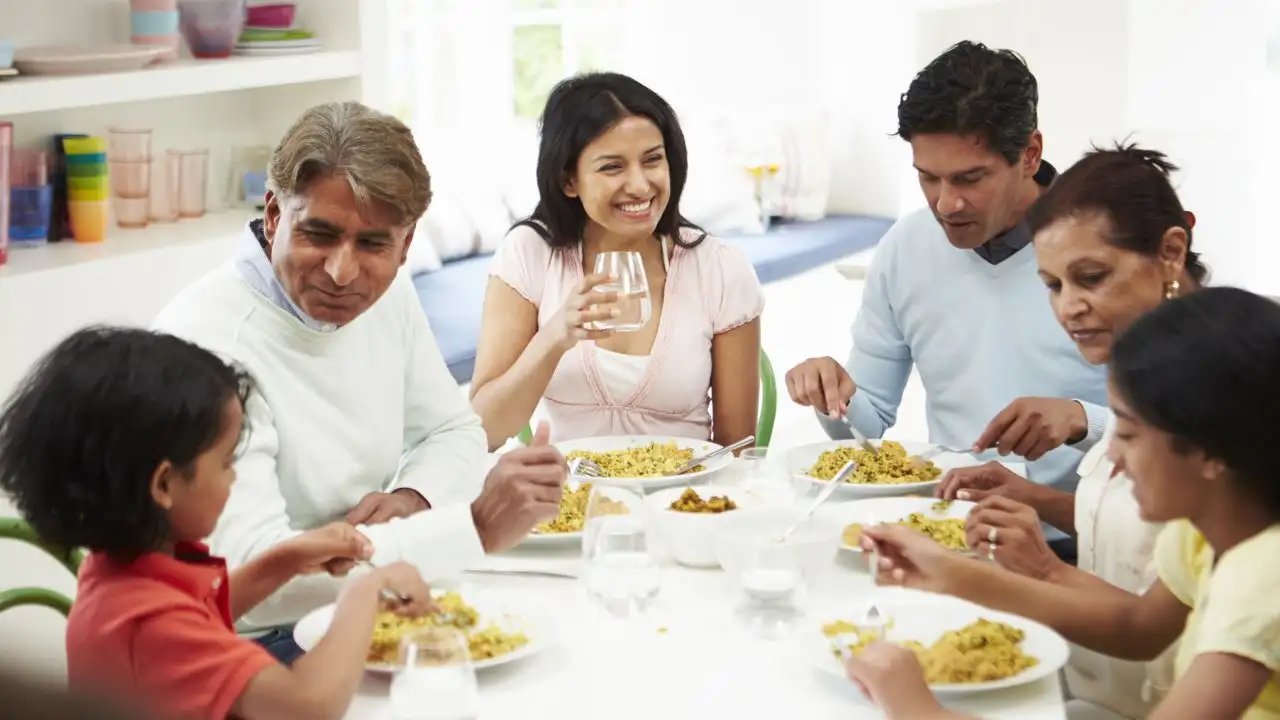
Because everyone needs to eat is a routine, eating dinner at a particular time. Because it was part of her family’s culture, a grandmother may have prepared a particular dish. Because it reminds her of childhood, her daughter may continue making it.
Sometimes, a simple sentence such as “My parents used to do this with me” is really another way of saying, “This was important to me, and now I want it to become part of your story too.” Psychologists also distinguish between family routines and family rituals. A routine usually helps organise everyday life, while a ritual carries additional emotional or symbolic meaning. Preparing a grandmother’s recipe every Sunday while sharing stories about relatives can become a ritual. A major review by psychologist Barbara Fiese and colleagues examined five decades of research on family routines and rituals. The researchers distinguished routines as observable practices from rituals as symbolic representations of shared family events. They also found associations between family routines and rituals and areas such as parenting competence, child adjustment and family relationships, while noting limitations in the existing research. Family traditions do not have to be elaborate. For children, repeated experiences can create predictability. Over time, these small rituals can become associated with feelings of home, family and belonging. The same tradition can also carry different meanings for different generations. Her grandchildren may eventually associate the same food with family gatherings and their own childhood. In that sense, the tradition has travelled across generations while its meaning has continued to evolve. Psychology does not suggest that every repeated family habit is automatically beneficial. Nor does continuing a childhood tradition mean that a parent is unable to move beyond the past. Families change, and traditions can be adapted to fit new circumstances. What matters is the meaning attached to them. A parent can preserve a Sunday family meal while changing the recipe, location or format. They can continue a holiday tradition while creating new ones of their own. They can keep the parts of childhood that brought warmth and belonging while leaving behind practices that caused harm. Ultimately, when parents pass a tradition to their children, they may be passing down more than an activity. They may be handing over a memory, a family story and a small piece of identity.
They can be as small as making pancakes on Sunday morning, taking the same photograph on the first day of school or watching a particular film every year.