Image credit- Canva AI
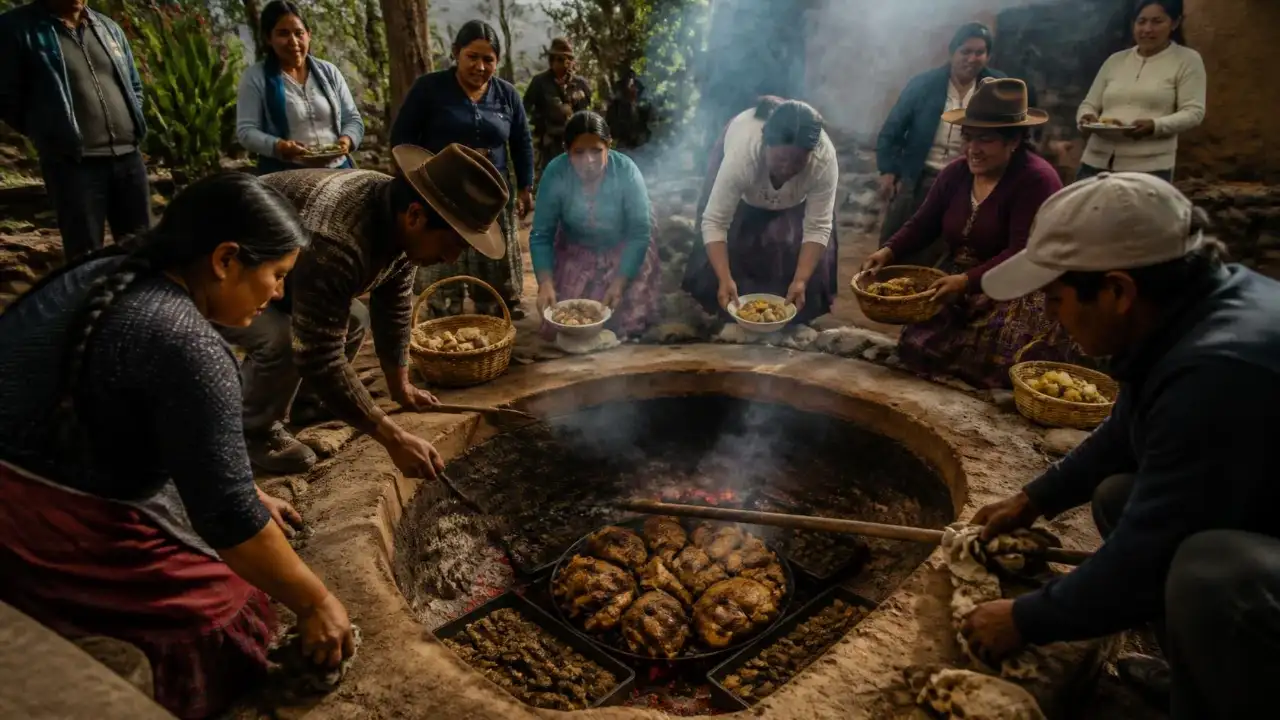
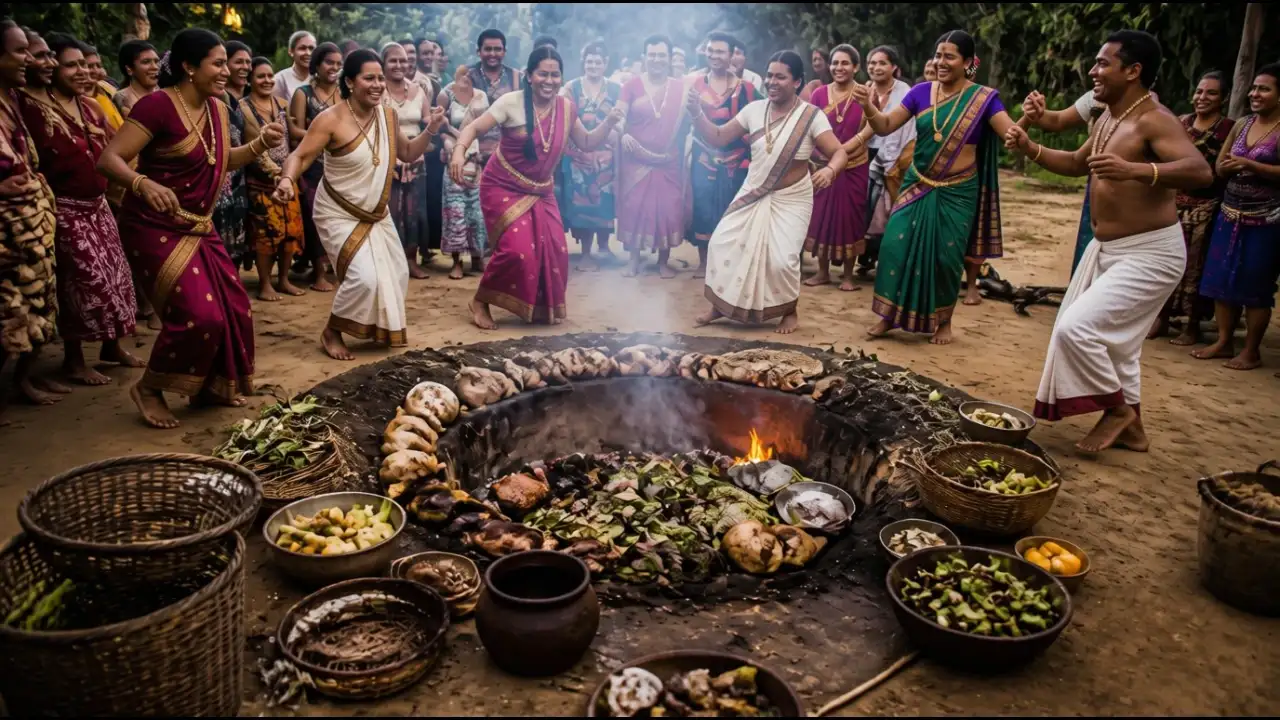
Over centuries, food has become much more than just a mode of survival. It carries within it years of trials, practice and experimentation. These practices are not only a response to our physical needs but a tapestry of culture, availability and adaptation. More than that, they also carry generations of stories. One such practice is the art of pit cooking, spanning cultures, traditions and even ingredients. Going beyond the increasingly popular concept of fast and readily available foods, pit cooking teaches us the importance of patience. Slow-cooked meat and vegetables in an earthen pit, trapping the woody and smoky flavour into their meaty fibres, give off a mesmerising aroma while also teaching us the art of anticipation. Going back hundreds of years, pit cooking is one of the oldest culinary methods of cooking food. Almost every community has developed some dish cooked within an earthen pit. Also known as earth-oven cooking, the ancient technique involves cooking meat and vegetables in an earthen pit heated with stones, wood, charcoal or cow-dung cakes, which are used widely by Indian communities. The earth’s natural insulation creates an environment where the food is slowly cooked, infusing it with a distinct earthy flavour. This is what readily distinguishes it from other methods of cooking. India, the hub for integrated cooking practices perfected through its millennia-old culinary tradition. Pit cooking was deeply infused within the cooking customs of India. Dating back to ancient times, when fire rituals required certain offerings of food to be cooked within earthen pits, communities in India still follow similar culinary practices. The ingredients have changed over time, integrating influences from all the communities that had a relation with them: Persian, Portuguese, Arab and others. Pit cooking demanded patience and community too. It might take several hours to prepare the pit, build the fire, heat the stones and finally uncover the food. It turned cooking from a quick household chore into a communal activity, especially at festivals, parties and big get-togethers. This turned cooking into a community event. People gathered together, brought in ingredients and had a delicious meal afterwards. These habits held together families and even cultures.