Gaya is traditionally understood as being associated with Gayasur, and the city takes its name from him.
Gaya has 54 Pind Daan altars, while Shraddha is performed at 45 places and Tarpan at nine places. Because the normal order of life and death had been disturbed, the gods (Devtas) approached Vishnu.
The answer, according to the traditional story associated with Gaya, begins with a powerful demon named Gayasur. As per the official Pind Daan Gaya Ji website , Gaya is a sacred land associated with ‘Pitru Moksha,’ and according to scriptural tradition, Pind Daan and Shraddha performed here are believed to give the ancestors satisfaction and peace. A demon ‘Gayasur’ performed intense penance and received a powerful boon from Lord Vishnu, according to Hindu beliefs. People, according to the story, continued committing sins and then sought purification by touching or seeing Gayasur.
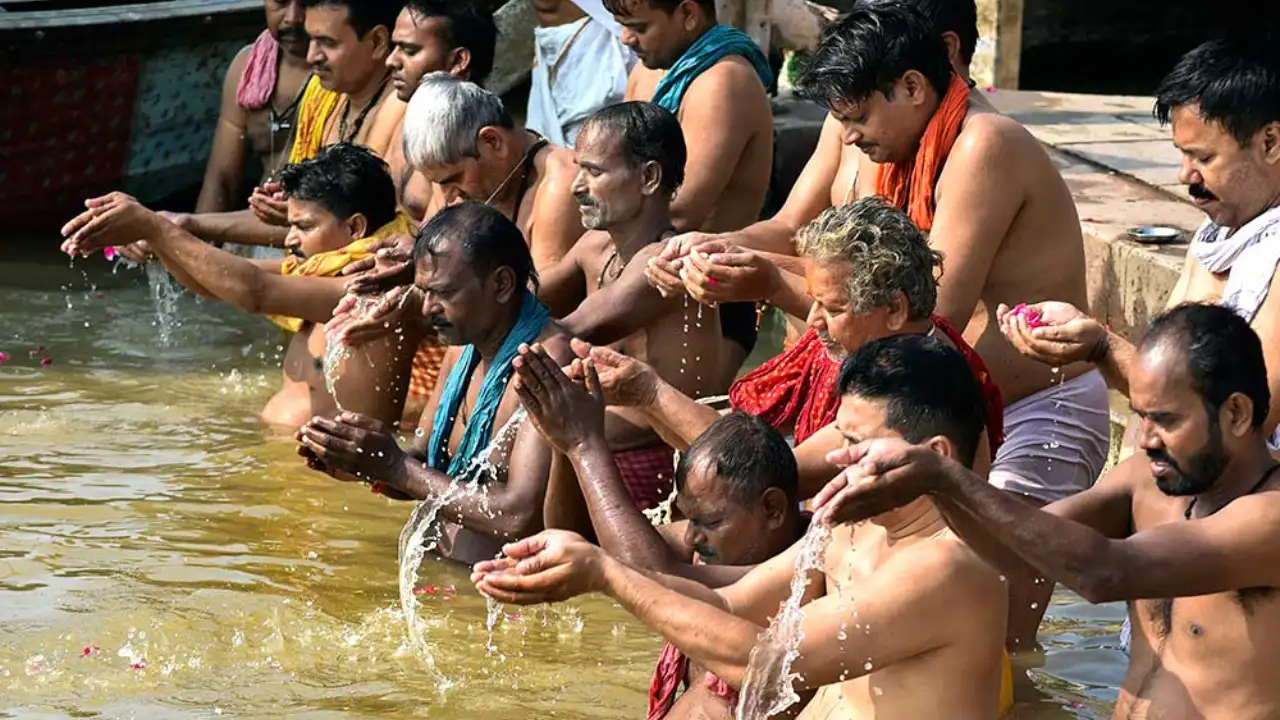
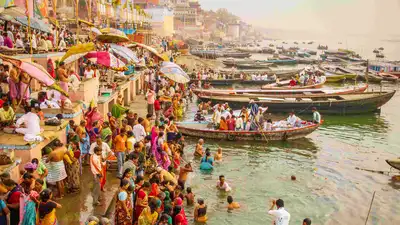
Every year, thousands of families travel to Gaya in Bihar to perform Pind Daan (a sacred Hindu ritual) and Shraddha for their ancestors. For many devotees, the journey is not simply about visiting a pilgrimage town. It is connected to an old religious tradition that gives Gaya a special place in rituals for the dead. But why Gaya? Why not Varanasi, Prayagraj or Haridwar, which are also among the most important Hindu pilgrimage centres? The footprint associated with this story is believed to be preserved at the Vishnupad Temple in Gaya. Anyone who touched or even saw him would become purified of their sins. That created a problem for the gods. Vishnu then asked Gayasur for his body for a sacred ritual. Gayasur agreed. A stone known as Dharmashila was placed over his body, but it continued to move. Vishnu then placed his own foot on the stone and pressed it down. The footprint is traditionally worshipped and decorated with red sandalwood, with representations associated with the conch, discus and mace. Gaya is traditionally understood as being associated with the body of Gayasur, and the city takes its name from him.
What did Gayasur ask for before he died?
There are 21 Pind Daan altars within the Vishnupad Temple area. It lists different forms of the ritual, from one-day to 17-day programmes, as well as additional rituals and offerings, but no fixed package price is displayed on the website. Because of the footprint associated with Lord Vishnu, the Vishnupad Temple is central to the Gaya Pind Daan tradition. The scale of the ritual is therefore much larger than a single offering at a single temple.
As Gayasur was nearing death, he asked Vishnu for a final boon, according to the traditional account. The official website describes Gaya as ‘Pitru Moksha Bhoomi’ and says that Pind Daan and Shraddha here are traditionally associated with the peace and welfare of ancestors. Rama performed the Pind Daan of his father, King Dasharatha, near the Phalgu River, accompanied by Sita, according to the traditional account. One family representative can perform the ritual according to the prescribed procedure. Both married and widowed women can perform Gaya Shraddha, according to the official website.
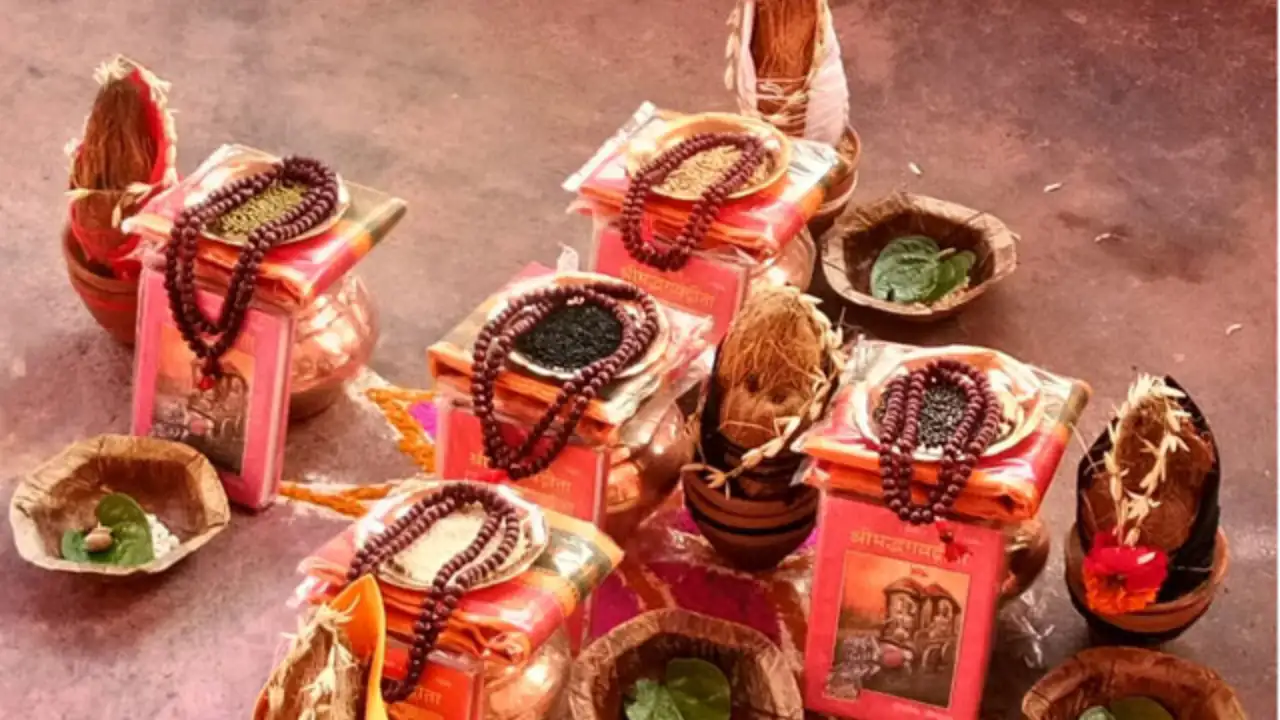
The story does not end with Vishnu subduing Gayasur. Wherever his body lay on earth should become a sacred place, and people who performed Pind Daan for their ancestors there should help those ancestors attain ‘moksha. Vishnu accepted the request. This is the religious explanation for why Gaya came to be regarded as one of the most important places for ancestral rites. At the temple, Pind Daan is performed at several designated sacred points. There are sacred locations including Phalgu River, Brahmakund, Pretshila, Ramshila, Ramkund, Uttar Manas, Udeechi, Kanakhal, Dakshin Manas, Jivha Lol, Matang Vapi, Dharmaranya, Brahma Sarovar, Vishnupad, Ramgaya, Sita Kund, Gayashir, Gayakup, Mundprishtha, Adi Gaya, Dhauta Pad, Bhim Gaya, Vaitarani, Akshay Vat and Gayatri Ghat. Another important tradition associated with Gaya connects the place with Lord Rama and Sita. The Gaya ritual tradition also includes Ramgaya Shraddha and Pind Daan at Sita Kund. Pind Daan is part of a larger set of rituals that includes Shraddha and Tarpan. The word Shraddha itself is connected with the idea of performing a ritual with faith and devotion for one’s ancestors. The Pind is an offering made as part of the ancestral ritual. Materials commonly used for Pind Daan include kusha grass, sesame, barley, rice, flowers, clothes and dakshina. A regular Pind Daan generally takes around two to four hours, although a detailed Vedi Puja or special ritual can take longer. Pind Daan can be performed for parents, grandparents, great-grandparents, maternal grandparents, ancestors and other deceased relatives. If the date of death is unknown, Shraddha and Pind Daan can be performed on Sarva Pitru Amavasya. As per the official website, the entire family does not necessarily have to be present. Women can perform Pind Daan in certain circumstances under the guidance of a qualified Acharya. No. As per the official website, Pind Daan is performed throughout the year, although Pitru Paksha has special importance. Pitru Paksha sees a particularly large flow of devotees to Gaya, where families perform rituals at the Phalgu River and other sacred sites before completing their pilgrimage. This is one detail that families planning the trip often want to know. As per the official Pind Daan Gaya Ji website, there is no fixed price or standard charge for Pind Daan. The official website lists contact numbers for Gaya Ji Tirth Purohit Pandit Gokul Dubey for enquiries. So anyone planning the ritual should confirm the current cost, the exact rituals included and the required materials directly before booking . Looking for trusted parenting advice? Follow TOI Parenting Circle on Instagram for expert guidance, relatable stories, and practical tips delivered every day. Get the latest Lifestyle News and more. Download the TOI app.