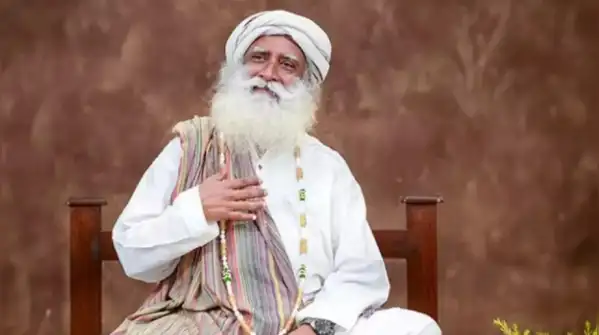
Navratri is more than nine nights of fasting, prayers and celebrations. It is also a time to pause, look within and reflect on the energy that shapes everyday life. Sadhguru’s thoughts on the festival offer a different way to understand its spiritual meaning, moving beyond rituals to explore devotion, feminine energy and the mystery of existence.
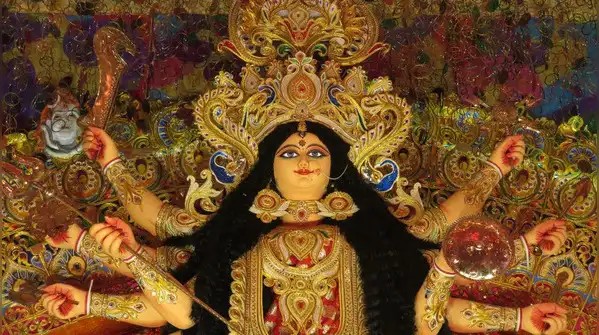
Honouring feminine energy can therefore mean recognising these contributions in society and everyday life, rather than limiting respect for women to festival rituals. Here are five quotes by Sadhguru that offer meaningful reflections on Navratri and the lessons that can stay with people long after the celebrations end. Sadhguru describes Navratri as a festival built on this fundamental insight. The quote challenges the habit of searching for an explanation for everything. Life rarely follows a neat plan. Relationships change, difficulties arrive without warning, and happiness often appears in unexpected moments. Navratri offers an opportunity to experience life without trying to control every outcome. Prayer, music and celebration can become ways to be present rather than simply follow tradition. Sometimes, peace begins when the need to have every answer becomes less important. This striking description presents Devi as an expression of intense, unrestrained energy. The image may sound unusual, but it invites reflection on the difference between living mechanically and experiencing life with complete involvement. Spirituality is often associated with silence and calmness. Yet devotion can also involve joy, intensity and emotional openness. The deeper lesson is not to mistake genuine involvement for loss of control, but to recognise how fully a person can engage with life without being ruled by fear or habit. Navratri celebrates the feminine divine through forms of the Goddess. Sadhguru’s words place Shakti at the centre of this understanding, presenting it as a force essential to existence. The idea also invites reflection beyond religious celebrations. Strength is not limited to authority or physical power. Nurturing, creativity, resilience and the ability to bring change are equally important qualities.
“Only when the masculine and the feminine play an equal role in our lives, there will be beauty and purpose to our existence. So how could we do without Bhairavi?”
It suggests that faith is not merely about asking for favours or expecting life to unfold according to personal wishes. This quote connects devotion with openness and humility. A softened heart can change how people respond to others. It may encourage patience during disagreements, kindness towards strangers and gratitude for ordinary moments. From this perspective, devotion becomes meaningful when it influences everyday behaviour, not just the prayers offered during Navratri. Sadhguru’s reflection highlights the importance of balance. The masculine and feminine can be understood within his spiritual framework as complementary dimensions of existence. Neither needs to be treated as less important. The thought also offers a useful lesson for relationships and communities. Cooperation matters more than rigid expectations about how men and women should behave. A meaningful life allows room for different strengths, emotions and ways of thinking. Navratri can thus become an invitation to examine personal beliefs, practise compassion and appreciate the many forms of strength that sustain life. Disclaimer: The quotes are attributed to Sadhguru as provided. The interpretations in this article are for general spiritual reflection.