Carved gemstones, not a revival but a continuation (@dior)
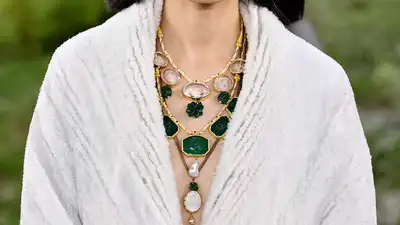
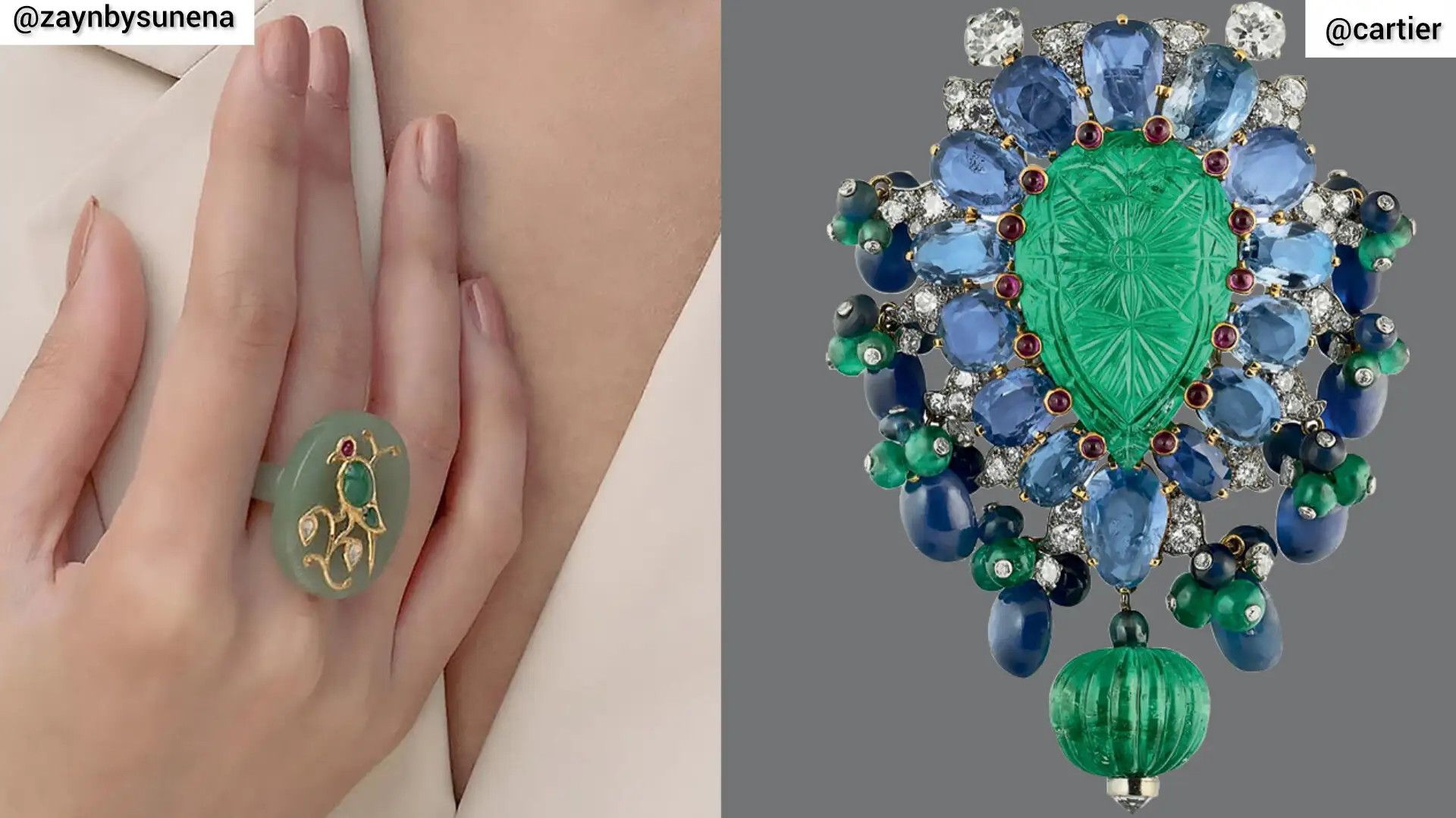
Dior’s Fall-Winter 2026-27 Haute Couture collection offered a high-profile reminder of its relevance, with much of Jonathan Anderson’s jewellery created with artisans in Jaipur. Cartier’s engagement with the craft, for instance, dates to Jacques Cartier’s 1911 visit to India, where he encountered stone-carving and gem-setting traditions. Gemstone carving, a centuries-old craft refined under Mughal patronage, is finding renewed expression in contemporary jewellery. Mother-of-pearl, carved rock crystal and green onyx were strung on hand-braided dori cords. One reference was the Mughal Mirror Diamond Necklace from Shah Jahan’s reign, distinguished by five table-cut Golconda diamonds and carved emerald drops. In the 1920s, that influence found enduring expression in Tutti Frutti, featuring carved rubies, sapphires and emeralds shaped as leaves, buds and berries. Hand-carved jade ring featuring a bird perched on a stem, detailed with gold, emeralds, rubies and polki (@zaynbysunena)and a vintage 1930s Tutti Frutti clip brooch featuring carved emerald, sapphire and ruby elements (@cartier)
From mughal courts to global ateliers The technique has travelled from Mughal courts to global jewellery houses, with jewellers today reinterpreting its architectural, floral and sculptural language.
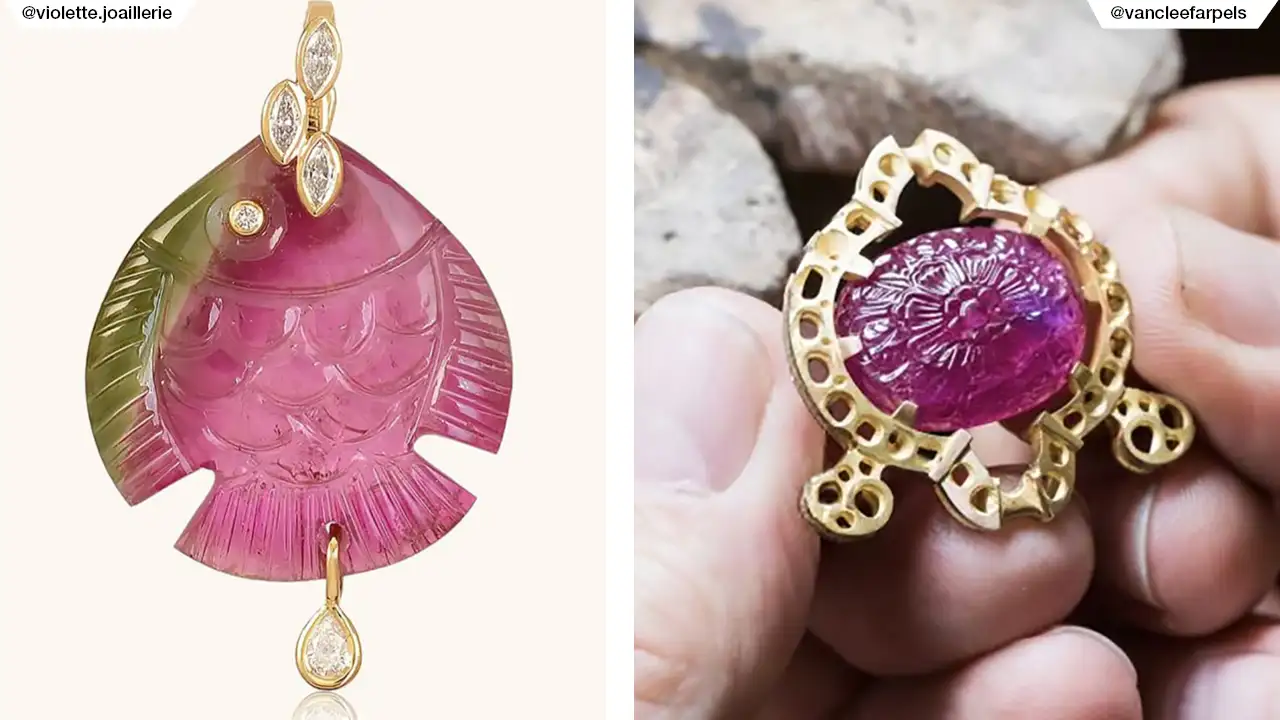
In Boucheron’s 2024 Or Bleu collection, obsidian was sculpted to evoke dark Icelandic waves, while rock crystal was carved into water-inspired forms. Van Cleef & Arpels’ 2016 Émeraude en Majesté collection put carved stones at the heart of its jewels. Its Grand Opus transformable necklace featured three carved Colombian emeralds, while the Bouquet d’Émeraudes clip used 11 carved Zambian emeralds. A carved stone doesn’t have to behave like a conventional gemstone; it can become architectural, like a miniature sculpture that happens to be wearable. ” Carved tourmaline fish pendant set in gold and diamonds and a carved 25.23-carat Burmese ruby for a necklace While faceting manipulates how light enters and leaves a transparent gemstone, glyptic work treats the stone’s surface or body as material to be engraved or sculpted.
Because the artisan is essentially sculpting a gemstone, working slowly and precisely to create depth, texture and form while preserving the stone’s integrity. ” Traditionally, emeralds, rubies, sapphires, jade and other gemstones were carved, turning each into a one-of-a-kind work of art, it is an extremely demanding art form. “With exceptional carvings, you’re paying for three things: the material’s rarity, the material lost during carving and the artisan’s skill and time.
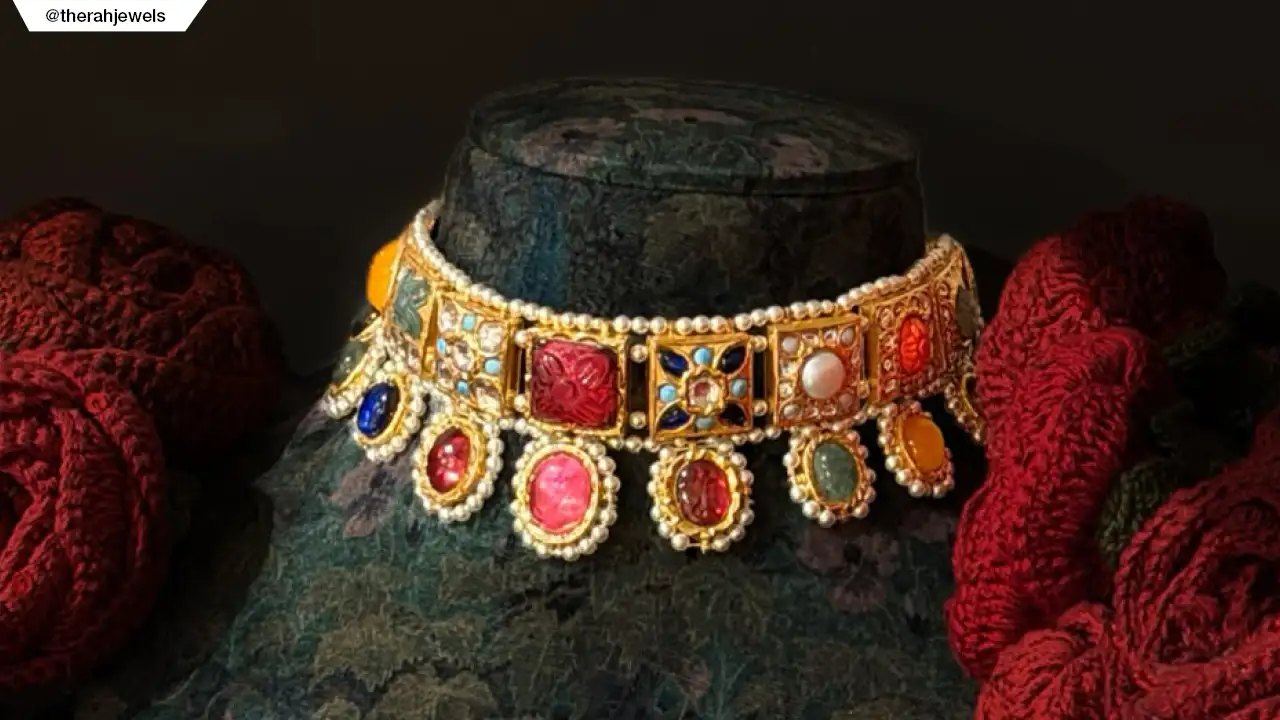
“If you go back to the Indus Valley civilisation, you’d see accounts of gemstone carvings,” she says. Yash Agarwal, Creative Director of Birdhichand Ghanshyamdas, says, “Gemstone carving, or glyptic, is one of the oldest forms of jewellery craftsmanship. She says, “The renewed interest in carved gemstones is part of a larger shift towards jewellery that feels more like a piece of art, rather than something that sparkles. She says, “Our maharajas were connoisseurs of artistic jewellery. Preeta says this also changes how colour is experienced. Rimple says her practice is rooted in preserving the craft, “Every piece is carved by hand, so no two pieces can ever be the same. ” The individuality also adds to the value, notes jewellery designer Preeta Agarwal. Co-director Dhawal Jain adds, “These jewels are modern heirlooms: they carry the visual language of India’s royal and artistic past. ” A navratan necklace which hand-carved gemstones (@therahjewels) Surabhi Didwania, founder of Motifs, sees the interest as part of a shift in how consumers view jewellery. “Emerald has a lot of inclusions and internal cracks, so cutting or carving it is challenging because there’s a chance the stone might break,” she says.
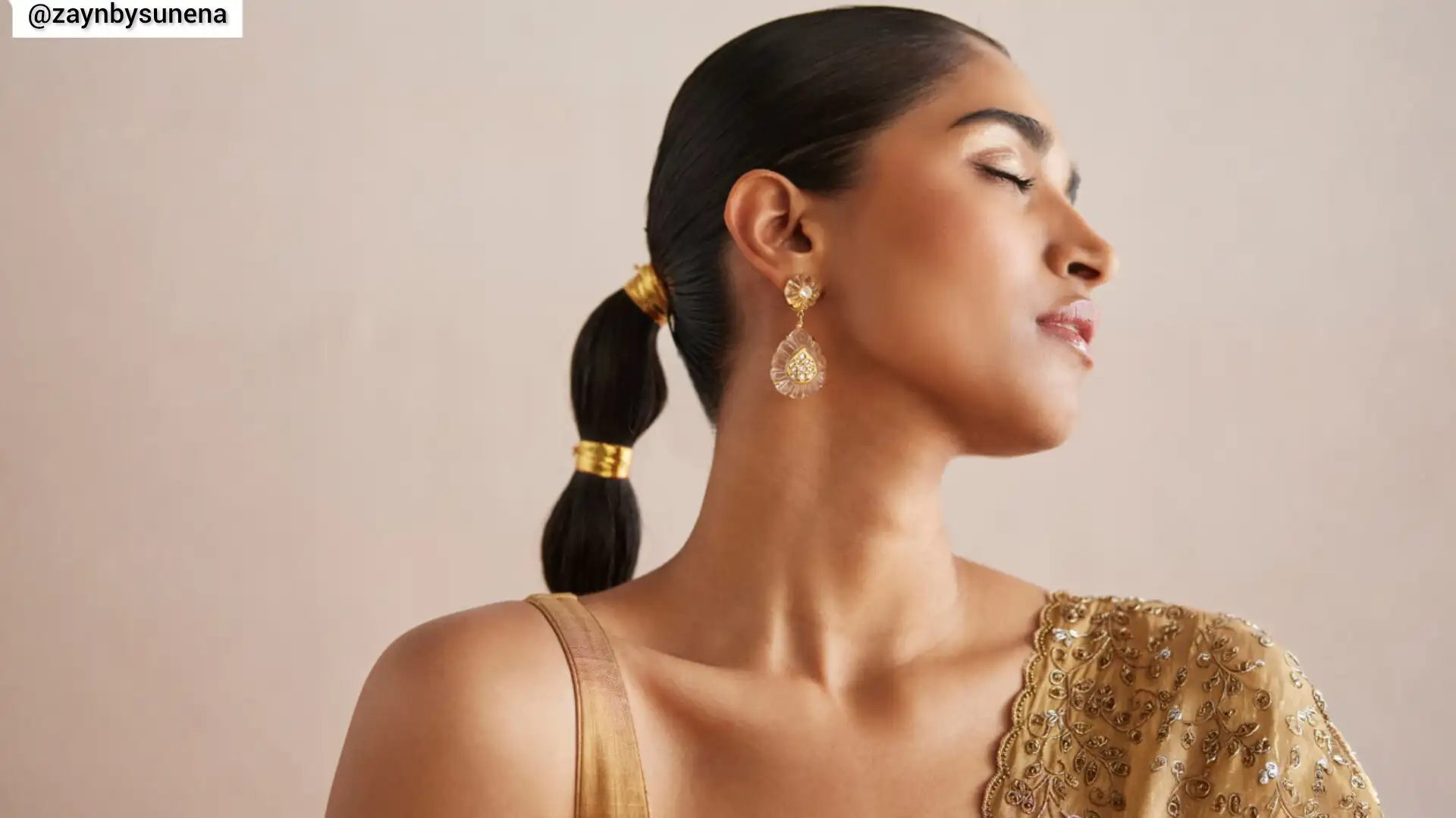
Elevating gemstones into sculpture Dior is far from an isolated contemporary example. Gemstone carving has repeatedly surfaced in high jewellery, with designers treating stone as a sculptural material rather than simply a source of colour or brilliance. The collection also drew on the house’s ties to maharajas and Indian jewellery. Dior, meanwhile, explored glyptic work in high jewellery, using carving to bring depth and realism to the miniature natural world of its Diorama creations. A shift towards jewellery as art The Mughals valued gemstones for the forms they could take. For Sunena Malhotra, founder of Zayn by Sunena, the technique’s appeal lies in how it draws on India’s architectural vocabulary. Working with carved stones is a way to bring elements of Mughal architecture, such as jaalis, arches and other architectural forms, into jewellery. A sculptural floral earring featuring a hand-carved rock crystal jewel set with intricate polki detailing Fashion designer Rimple Narula, founder of RAH Jewels, approaches the shift from a different angle – drawing on nature rather than architecture, and combining carving with inlay to create layered, sculptural jewels. They commissioned the likes of Chaumet, Cartier and Harry Winston to design jewellery for them, drawing on the knowledge of karigars. Even with contemporary jewellery, I don’t feel the need to borrow motifs from the West. Instead, I look to flora and fauna for inspiration in our heritage. The 3D carving of petals and leaves enhances the gemstone. When the gemstone becomes the canvas The difference between a conventionally cut and carved gemstone lies in how it shapes the design. Sunena explains, “With a conventional cut, the objective is often to maximise the gemstone’s optical properties. With carving, the stone becomes a medium for design, becoming part of the architecture of the jewel rather than simply sitting within a setting. The result can be figurative, floral, architectural or abstract, making the carving itself – rather than brilliance alone – central to the jewel. “In a faceted stone, light creates flashes and brilliance. In a carved stone, thickness and depth can create different intensities of colour within the same gemstone. A new design vocabulary Contemporary jewellers are experimenting with materials, techniques and how carved stones are worn, moving beyond simply reproducing Mughal or princely jewellery. Designers are playing with scale, combining carved and polished surfaces, introducing negative space and placing traditional lapidary skills in contemporary silhouettes. Bharat Jain, director at Nanagram Fine Jewels, sees the technique as a continuation of erstwhile traditions, rather than a revival. “Hand-carved gemstones are rooted in India’s rich jewellery legacy. Contemporary designs draw on this heritage while reinterpreting it for new-age collectors, allowing the individuality of each emerald, sapphire, jade or coloured gemstone to shape the jewel. “People are becoming more open to jewellery where beauty lies in form, not just size or value. Heritage jewellery, where carving played a key role, is also a strong influence. The blend of traditional carving with unexpected treatments is where some of the most interesting work is happening. That tension between inherited technique and unexpected treatment defines the contemporary story. Sunena adds, “Designers are playing with scale, irregularity, negative space and combinations of polished and carved surfaces. Perhaps ‘revival’ is not quite the right word. In Jaipur and other Indian jewellery centres, carving never disappeared; it is simply finding new expression in contemporary design – even as a Dior runway in Paris echoes the carved emeralds of a Mughal necklace. Not all stones carve alike The choice of stone is a technical one. “Suitability for carving depends not simply on whether a material is ‘soft’, but on properties including hardness, toughness, inclusions and structural consistency. Toughness means resistance to breaking or chipping,” explains Khushi. “For intricate carving, tougher gemstones are easier to work with as they don’t chip easily. Jade, for instance, is not particularly hard but has exceptional toughness, making it well suited to detailed carving. Looking for trusted parenting advice? Follow TOI Parenting Circle on Instagram for expert guidance, relatable stories, and practical tips delivered every day.
Gemologist Khushi Agrawal traces gemstone carving in the subcontinent to well before the Mughal period.