
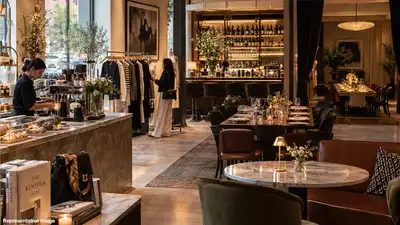
Representational image
What if a place to have coffee was also somewhere to discover a designer? What if a wine bar could flow into a private dinner, and a shopping trip could turn into an evening out? The lines between dining, fashion and hospitality are becoming increasingly blurred, as spaces look beyond the traditional idea of what a restaurant, store or café should be. In Chelsea, New York City, that idea is taking shape as Zaar-Line, a new concept that plans to bring together a café, wine bar and a curated selection of designer clothing, alongside private dining and bespoke catering. Rather than dividing these experiences into separate rooms — or even separate businesses — the idea is to let them exist together. Someone might walk in for a coffee and browse the clothing; another might arrive for wine and stay for dinner. A private dining event could sit alongside the visual language of fashion, while the café could provide an informal entry point into the space. It is a concept that reflects how people increasingly experience a city: not in categories, but through a mix of food, design, conversation, shopping and discovery. The idea isn’t entirely new. Around the world, fashion and food have been meeting in increasingly elaborate ways. Louis Vuitton has restaurants and cafés in several markets, including Le Café V and Sugalabo V in Osaka, extending the experience of the fashion house well beyond its stores. Gucci’s Gucci Osteria has similarly placed fine dining within the world of the fashion brand. For Derezaar Banaji, who is developing Zaar-Line, the idea has grown naturally out of a career that has moved between fashion and food. He has worked with luxury names such as Stefano Bemer and has also spent time in New York’s fine-dining kitchens. His culinary experience has included stages in the city’s demanding restaurant scene, giving him an understanding of both the precision of a kitchen and the visual language of luxury.
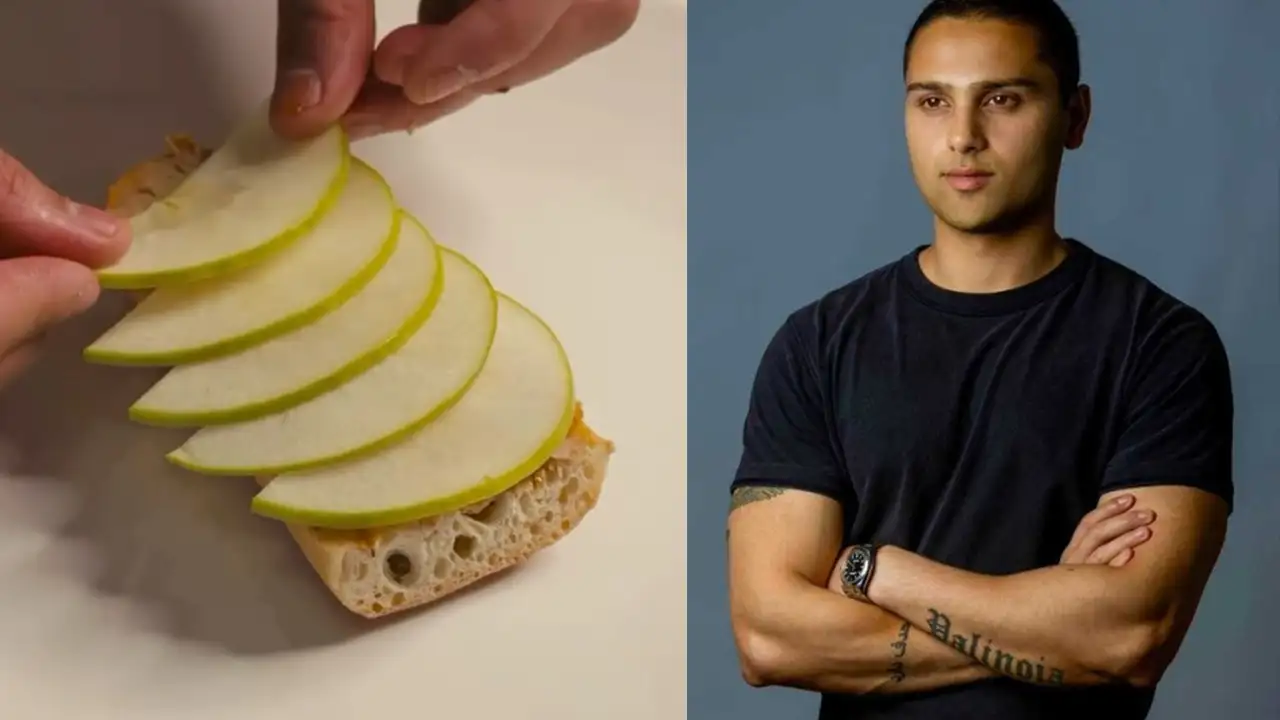
“I want to offer an experience where distinct creative expressions like fashion and food come together as one,” he says, adding, “Luxury, to me, is about creating something memorable that will stand the test of time. At the heart of the idea is hospitality — and the simple act of making people feel comfortable enough to stay. There are also spaces where the idea is less about a fashion label putting its name on a restaurant and more about creating a complete lifestyle environment. Vivienne Westwood House in Beijing, for example, combines fashion retail with a café, restaurant and bar, turning the building into a destination rather than simply a place to shop. The growing number of fashion stores incorporating cafés, restaurants and cultural spaces points to a broader appetite for places that offer something to do, not merely something to buy. And perhaps that is where the appeal of spaces like Zaar-Line lies. In an age when much of shopping and even food ordering can happen without leaving home, a physical destination has to offer something beyond convenience. It has to give people a reason to linger.