
Image: Left/Canva/Right/Wikipedia
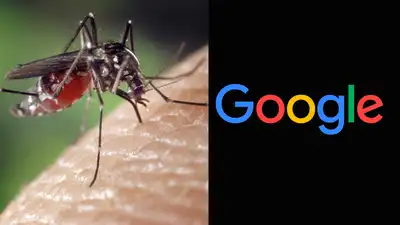
A Google-backed mosquito control project in Australia successfully released around three million specially bred male mosquitoes and reduced populations of an invasive disease-carrying species by as much as 95%, according to a report by The Conversation. The findings are drawing renewed attention as Alphabet’s Debug initiative seeks approval to release up to 32 million sterilised male mosquitoes in California and Florida to combat mosquito-borne diseases.Nigel Beebe, a professor at the University of Queensland, wrote in The Conversation that the trial showed releasing specially bred male mosquitoes can dramatically suppress populations of Aedes aegypti, an invasive species that spreads dengue, Zika, chikungunya and yellow fever. The work began in 2015, when Beebe’s team traveled to Silicon Valley to meet scientists at Verily, Google’s life sciences division. Mosquito populations started declining within four weeks of the releases, according to findings published in 2021. One location recorded only a handful of Aedes aegypti mosquitoes 12 months later, representing roughly 95% population suppression.
Verily contributed specialised engineering tools, including machine learning systems capable of separating male and female mosquitoes, ensuring only non-biting males were released.
He cautioned that success depends on local ecology, mosquito movement patterns and community participation, and said the technology alone is not enough. He also said researchers are still working toward better ways to separate male mosquitoes mechanically, which would be more useful in developing countries. Their goals matched a government-funded Australian research project on environmentally friendly ways to suppress invasive mosquitoes. The results were significant. In two towns, suppression effects persisted into the following year.