
To ensure peak performance, a few simple habits make a massive difference: maintain a 4-to-6-inch clearance from walls for proper compressor ventilation, wipe down door seals weekly, and avoid overloading shelves to allow cool air to circulate freely,” Nakul Tewari, Vice President of Marketing, Whirlpool India said. The rubber door seal is the last line of defence against warm air getting in. During monsoons, it is recommended to reduce prolonged door openings to prevent moisture due to entry of warm air. The increased humidity can lead to moisture accumulation inside refrigerators and increase the risk of odour and microbial growth. It gets inside your refrigerator too, and most people never notice until the damage is done: condensation pooling on shelves, a musty smell that won’t go away, frost building up faster than usual, and food spoiling before its time. “The monsoon season introduces unique challenges for home appliances.
Monsoon humidity doesn’t just fog up your windows. Excessive humidity can trap moisture in door gaskets, leading to mould, while damp kitchen walls can impact a refrigerator’s rear technical panels. During monsoon humidity, moisture collects around it fast, inviting mould, odours, and a weaker seal over time. Single-door, direct-cool fridges also frost up noticeably faster during the rainy season, so defrosting more frequently is important. And with monsoon power cuts and voltage swings a near-certainty, a stabiliser or surge protector is cheap insurance. Anup Bhargava, Product Group Head of Refrigerators at Appliances Business of Godrej Group, laid out the full picture: “Refrigerators are one of the most indispensable appliances in Indian homes that operate round the clock to preserve food, reduce wastage and support healthier lifestyles. At Godrej, we believe simple maintenance practices done at home can also go a long way in helping consumers get the best performance from their refrigerator. Regular cleaning of shelves and gaskets with a cloth, storing food in covered or airtight containers, allowing freshly cooked food to cool before refrigeration, and avoiding overloading the appliance can help maintain consistent cooling and food freshness during this season. Furthermore, during monsoons frost will build up quickly in the freezer in the single door annual defrost refrigerators. Hence more frequently defrosting is recommended. It is advisable to set the refrigerator to monsoon temperature settings. Beyond the interiors, external maintenance of a refrigerator is equally important. Ensuring adequate ventilation around the refrigerator and periodically cleaning the condenser coils helps the appliance dissipate heat efficiently and optimise energy consumption. In areas prone to power fluctuations during the rainy season, using an appropriate voltage stabiliser or surge protector can provide an added layer of protection. A well maintained refrigerator can go a long way in keeping your food fresh and healthy, especially in the rainy season.”
Director of Home Solutions, LG Electronics India, this is a well-understood pattern, not a fault line, according to Young Min Hwang. He said, “Unlike summer months, the primary challenge for refrigerators during the monsoon is managing excess humidity rather than cooling performance. If moisture shows up on the outside, a dry cloth is usually all it takes. Consumers often notice moisture or water droplets inside or around the refrigerator and assume it is a product issue. However, this is typically a natural condensation process that occurs when humid air comes in contact with cooler surfaces. You can’t control monsoon humidity, but you can control how your fridge handles it. Reset the temperature, keep the door habits tight, clean the gasket, and give the appliance room to breathe. Three of India’s top appliance makers agree on the fundamentals. Get those right, and your fridge quietly does its job all season, keeping your food fresher and your energy bill lower until the rain stops. Get the latest technology news and updates. Download the TOI App.
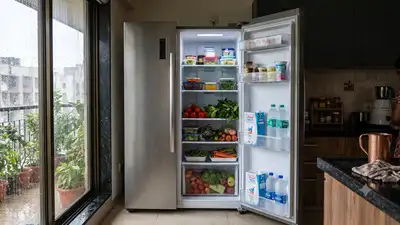
Here’s what actually needs fixing, why each step matters, and what the people who design these appliances say about it. Refrigeration experts recommend keeping the fridge at 2°C to 4°C (around 3°C is the sweet spot) and the freezer at -18°C to -19°C through the monsoon. Leave some space between containers so that air can circulate evenly. The root cause, more often than not, is a single setting nobody thinks to change across seasons. This range does two jobs at once: it slows bacterial growth, and it stops excess moisture from collecting inside. If your fridge has a seasonal or smart-cooling mode, switch it on. It’s designed to auto-adjust for exactly this kind of weather. Every time the door opens, warm humid air rushes in. That air hits the cold interior and turns into water droplets almost instantly. It’s one of the most common causes of monsoon condensation, and one of the easiest to fix: decide what you need before you open the door, and make sure it clicks shut properly afterward. Condensation inside or outside the fridge is typically a normal reaction to humid weather, not a defect. It tends to get worse when: • The temperature is set too low • The fridge is overloaded • The door doesn’t seal properly or opens too often • The fridge sits in a poorly ventilated, humid spot To ensure optimal performance during the rainy season, consumers should avoid frequent door openings, maintain adequate space between food items for proper air circulation, regularly clean door gaskets, and wipe away excess moisture when needed. Proper ventilation around the refrigerator also helps improve efficiency, hygiene, and food preservation. Modern refrigerators are increasingly designed to adapt intelligently to changing environmental conditions. As weather conditions become increasingly unpredictable, consumers are looking for appliances that deliver not only reliable cooling performance but also greater convenience and peace of mind. Smart technologies that automate performance optimization, combined with simple maintenance practices, can help refrigerators operate efficiently throughout the year while enhancing food freshness, energy savings, and overall user experience. ” Cooling efficiency lives and dies on airflow. Keep the fridge clear of walls, out of direct sunlight, and away from poorly ventilated corners. A fridge that can’t release heat efficiently ends up working overtime, and that shows up on your power bill. A jammed fridge stops the cold air from circulating where it needs to go. Don’t use plastic or decorative liners on shelves either, as they will impede the flow of air. Smart ways to store food during monsoon: Here are a few: Cool hot, freshly cooked food before putting it away Containers must be covered or sealed Do not wash vegetables with water and immediately refrigerate them. Store fruits and vegetables in mesh or cloth bags, or wrap them in paper towels to soak up excess moisture Shelf organization properly – free bonus that aids air flow