The monsoon season is almost here. Rains may bring relief from the summer heat, but it also creates challenging conditions for ACs. High humidity, rain, dust, and fluctuating temperatures can affect cooling performance, increase power consumption, and even lead to issues such as mold growth, water leakage, and unpleasant odors.
If you’re wondering how to take care of your AC this rainy season, here are 10 practical tips. Experts recommend giving your AC extra attention during the rainy season to ensure efficient cooling, better air quality, and a longer lifespan. From using the right operating mode to cleaning filters regularly, a few simple steps can help your air conditioner perform more effectively during monsoon months.
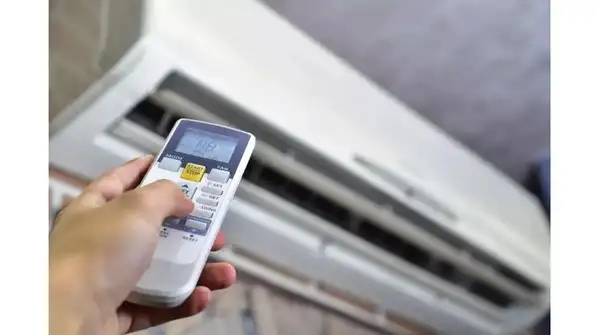
Since humidity levels often rise above 80% during the rainy season, Dry Mode can help reduce the sticky feeling indoors while also preventing mold and mildew growth. Many people lower the temperature significantly during humid weather, but experts recommend keeping the thermostat between 24°C and 26°C. Because the compressor cycles on and off instead of running continuously, it typically consumes less energy than regular cooling mode.
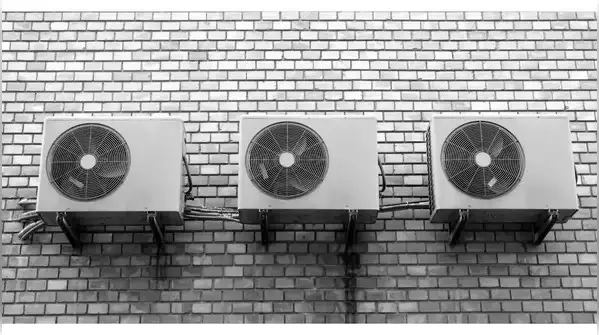
Auto Mode, if available, can automatically adjust settings according to indoor conditions. One of the most effective ways to use your AC during monsoon is by switching to Dry Mode. Available on most modern air conditioners, this mode is designed to remove excess moisture from the air without significantly lowering the room temperature. The outdoor unit is exposed to rain, dust, leaves, and debris during the monsoon. Dirt accumulation around the unit can affect airflow and reduce cooling efficiency. A clean outdoor area also helps prevent insects from nesting around the unit, which is a common issue during rainy months. Regularly checking and cleaning the surroundings can help maintain optimal performance. Dirty filters can restrict airflow, reduce cooling efficiency, and increase electricity consumption. Moisture combined with dust can also create conditions for mold and fungi growth inside the AC. Experts recommend cleaning air filters every two weeks during the monsoon or more frequently if they become clogged. Regular filter cleaning can improve air quality while helping the AC cool more effectively. Running an air conditioner while windows or doors are open allows humid outdoor air to enter the room continuously. This forces the AC to work harder to remove moisture and maintain the desired temperature, resulting in higher energy consumption and reduced efficiency. Keeping rooms properly sealed helps maintain a comfortable indoor environment. This range offers a balance between comfort and energy efficiency. Extremely low temperature settings can lead to unnecessary power consumption and may also increase condensation inside the room. Modern air conditioners offer multiple modes including Cool, Dry, Fan, and Auto. Choosing the appropriate mode based on weather conditions can improve efficiency. Dry Mode is generally recommended during humid monsoon days, while Cool Mode can be used when temperatures remain high. A ceiling fan can help distribute cool air more evenly throughout the room. Improved air circulation allows the AC to cool the space more efficiently without placing additional strain on the system. Using a ceiling fan alongside the AC may also help maintain comfort at slightly higher temperature settings, reducing electricity consumption. Air conditioners remove moisture from indoor air, and the collected water exits through a condensate drain line. Dust and dirt can clog this drain over time, especially during the monsoon. Blockages may lead to water leakage or overflow from the indoor unit. Regular inspection of the drain line can help prevent such problems. Appliances such as televisions, computers, and other electronic devices generate heat while operating. Placing them close to the indoor AC unit can affect temperature sensing and cooling performance. Keeping heat-generating devices away from the AC can help the system operate more accurately and efficiently. Even if your AC appears to be working normally, a professional inspection during the monsoon can help identify hidden issues before they become major problems. Technicians can clean internal components, check refrigerant levels, inspect drainage systems, and ensure the unit is operating efficiently. Regular servicing can improve performance and extend the lifespan of the air conditioner. Preventive maintenance during the rainy season can improve cooling performance, reduce electricity bills, and extend the lifespan of the air conditioner. It can also help prevent common monsoon-related issues such as mold growth, unpleasant odors, water leakage, and reduced airflow. With humidity levels remaining high for extended periods, simple practices such as using Dry Mode, cleaning filters, and maintaining proper airflow can help keep indoor spaces comfortable throughout the season.