
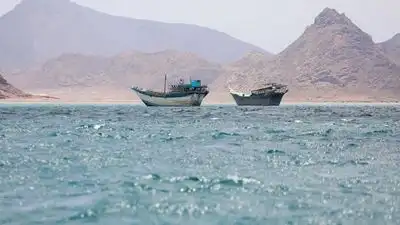
The Strait of Hormuz is one of the world’s most important routes for oil and gas shipments
Bahrain severed diplomatic ties with Iran in January 2016. The ministry also said the reported targeting of Saudi Arabia’s East-West oil pipeline showed that civilian and economic facilities remained under threat.
Citing a source close to Iran’s negotiating team, semi-official Tasnim news agency said the understanding was reached after “intensive technical and diplomatic talks between Iran and Oman, which culminated in a final agreement in late August. Under the proposed arrangement, the entry route from the Gulf “lies entirely within Iran’s territorial waters”, while part of the exit route also falls “within Iranian territorial waters”, Tasnim news said quoting sources. The United States had insisted that the southern route be opened, the source said. Bahrain’s foreign ministry said it would not participate in any collective meeting involving Iran until diplomatic relations between the two countries are restored, according to the Bahrain News Agency. The ministry said it had conveyed its position to Oman through official channels, while stressing that this did not diminish its appreciation of Oman’s efforts or its commitment to dialogue. It said dialogue could not be based on ignoring facts, pointing to attacks on Bahrain’s infrastructure and civilian sites.
The source added that the routes would operate under Iranian arrangements and that the southern route would be closed once the new system becomes operational. Iran and Oman have agreed on details of new entry and exit routes for the Strait of Hormuz and will brief Gulf countries on the outcome of their consultations at a regional meeting in Muscat on Monday, Iranian officials said on Saturday. Iranian foreign ministry spokesman Esmaeil Baghaei said on Friday that foreign ministers of Gulf littoral states would meet in Oman on Monday to discuss regional issues, including the Iran-Oman consultations on designating safe routes through the Strait of Hormuz.