
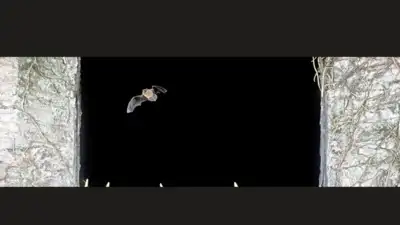
PC: the National Trust
A disused railway tunnel in West Sussex has become a vital winter refuge for rare bats, including the greater mouse-eared bat, which was declared extinct in the UK in 1992. In January 2023, a second bat of this species was discovered hibernating in the same network of tunnels, following the discovery of a lone male there in 2002.
The tunnel provides an important hibernation site for rare bat species, according to the National Trust. Sheila Wright, a spokesperson for the Sussex Bat Group, said the finding demonstrated the importance of regular monitoring, adding that conservationists could otherwise have missed the discovery of the second greater mouse-eared bat in Britain. The discovery highlighted the importance of regular monitoring and safeguarding underground habitats, which offer cool, sheltered and relatively humid conditions for bats during winter. The discovery in West Sussex underlined the need to safeguard the underground site rather than overlook its ecological value. She also stressed the importance of protecting the locations used by bats during hibernation.
The West Sussex rail tunnel is a vital hibernation site for rare bats, while the 2023 discovery showed the importance of regular surveys in detecting animals that might otherwise go unnoticed.
The newly discovered bat was believed to be a vagrant that had crossed the English Channel from France, where an established population exists, before settling in Britain, according to the BBC. The discovery of the second greater mouse-eared bat raised questions about whether the species might be returning to Britain. However, the discovery did not establish whether a breeding population was present in Sussex. The tunnel’s continued significance demonstrates why disused underground structures can matter to wildlife conservation. Safeguarding such sites and monitoring their wildlife remains an important part of efforts to understand and protect Britain’s bat populations.