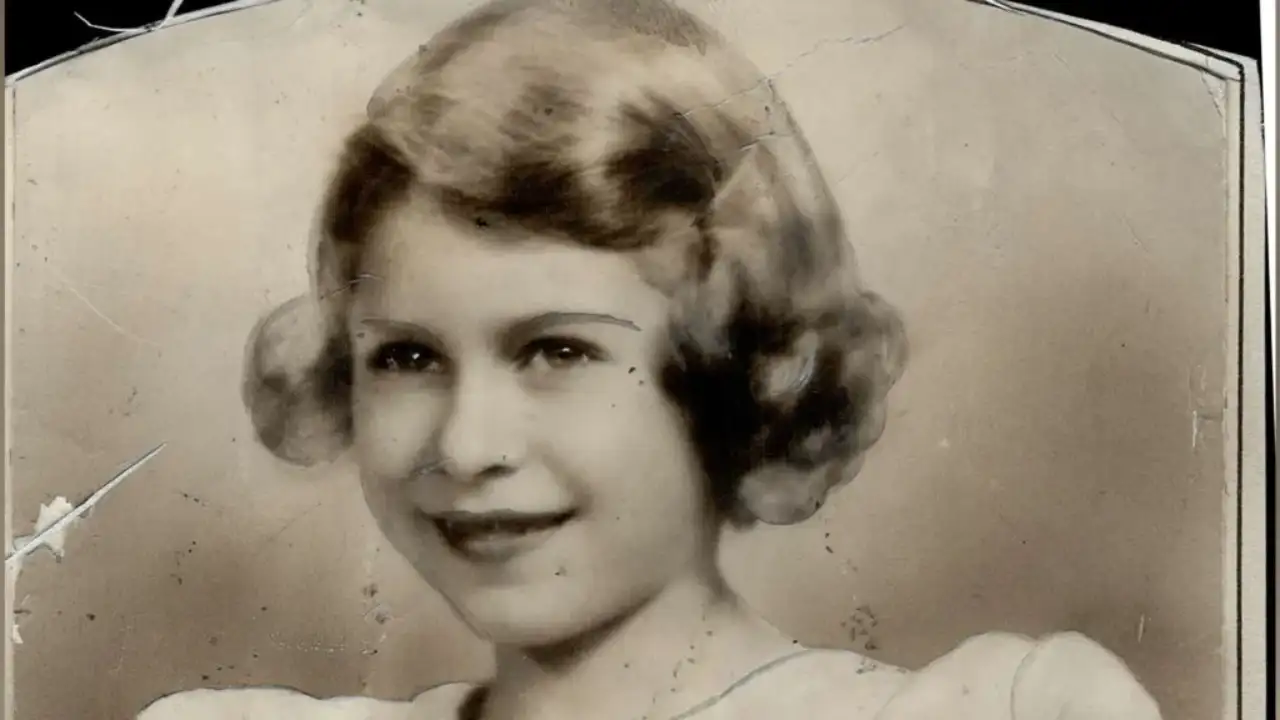
PC: BBC
Beatrice’s connection with the royal family continued
It was only discovered again in 2024, after the suitcase was found among belongings left in the family home, according to the BBC. The letter dates from the period between 1936 and 1940, when Princess Elizabeth was still a child. She was around 10 when Beatrice Stillman joined the household at Royal Lodge, although auctioneers cannot establish the precise date on which the note was written. The recipient, Beatrice Stillman, became head housemaid at Royal Lodge in 1936. After Jean died, her son William Westacott and other family members came across the suitcase in 2024. She later married Alfred Twyman, a gardener working on the Windsor estate, in 1946. Beatrice’s brother-in-law, John Dicker, was killed during an air raid in 1940. Rene, now 95, later remembered meeting George VI, the Queen and the two princesses. Royal Lodge had been given to the royal family by George V in 1931 as a weekend retreat. Its grounds included Y Bwthyn Bach, the miniature cottage presented to Elizabeth by the people of Wales in 1932. In May 1940, Elizabeth and Margaret moved to Windsor Castle for their safety. Beatrice had joined the household in 1936, while the princesses’ move to Windsor in 1940 means the letter must have been written within those years. It carries an estimate of £2,000 to £4,000, with the sale scheduled for 27 February 2026.
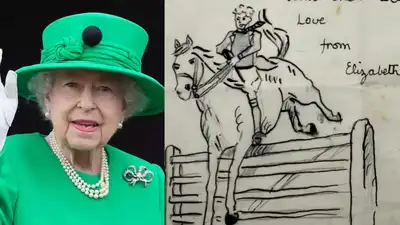
They include two horses and highwaymen, a seated girl identified as Mary, a dog named Jim and a boy called John, according to Hansons Auctioneers. Westacott, who lives in Sevenoaks, said, “We knew the letters existed, but to read them in the flesh was a ‘wow’ moment. The Queen gave some of the princesses’ clothes to the children at a time when resources were being stretched by the conflict, according to the family.
For decades, a small collection of royal correspondence remained largely out of sight, packed away in a suitcase beneath a bed. Among the papers was a handwritten note from Princess Elizabeth, written when she was still a child, with pencil drawings scattered across the page. The sketches show horses, people, a dog and scenes involving riding, offering a glimpse of the interests that surrounded her early years. The material was kept by the family of Beatrice Stillman, a former head housemaid at Royal Lodge. At the time, the royal family regularly spent periods away from their Windsor home. The letter was written from Praa Sands in Cornwall, where Elizabeth described being able to reach the beach directly from the garden. Her attention, however, was not limited to the holiday itself. She asked whether the birds were well and whether the goldfish had survived in her absence. She also mentioned Jock, one of the ponies associated with her childhood, saying that he was well and happy. There was a practical kindness in another part of the note. Elizabeth had picked wild primroses and wanted some given to other members of the Royal Lodge household. The flowers were to be shared with Miss Coote and Mrs Wade. For a young princess writing to a member of staff, it was a small exchange. It also provides an unusually personal record of the people and animals occupying her thoughts at the time. PC: BBC The most distinctive part of the material is the collection of drawings made around the correspondence. There is also a scene showing a boy and a pony jumping over a five-bar gate. Another drawing shows a man beside a horse, apparently patting it. The sketches are informal rather than finished illustrations. They have the quality of things drawn for amusement, with names and subjects added around the figures. Together, they give a picture of a child whose interests included animals, riding and people around her. Elizabeth’s later affection for horses and dogs is well documented, but these early drawings place those interests much further back in her life. The letter also mentions Jock, one of the ponies from her childhood. Author Gyles Brandreth has written about Elizabeth’s ponies, including Jock and Hans, adding context to the otherwise brief reference in the note. Her work placed her within the domestic life of the royal household, and she appears to have formed a familiar relationship with the young princesses. The archive discovered by her family contains more than Elizabeth’s letter. It also includes correspondence from the palace and other pieces of paper connected with the royal household. One particularly short note came from Princess Margaret. Written in pencil, it simply asked Beatrice to look after her bathing suit. The contrast between the two surviving notes is striking without needing much interpretation. Elizabeth’s message is concerned with flowers, animals and other members of the household, while Margaret’s is a child’s practical request about something she wanted kept safe. Both girls were still very young when the papers were written. The documents remained in the family after Beatrice’s death. A suitcase containing the letters, Christmas cards and other material eventually passed to Jean Westacott, Beatrice’s niece. It had been sitting under her bed. The family already knew that the letters existed, but seeing the original papers was different from knowing about them. The archive had effectively survived without being treated as a major historical collection. It was family material, kept and passed down, until its contents were examined more closely. Stillman’s relationship with the royal household did not end with her employment at Royal Lodge. The surviving material also reflects a connection between the Stillman family and the royal household during the Second World War. After his death, the Queen Mother invited his widow, who was Beatrice’s sister, and their two young daughters, Rene and Jean, to Royal Lodge to spend time with Elizabeth and Margaret. She also recalled playing in the large playhouse in the Royal Lodge garden. The wartime circumstances added another layer to the relationship. The house stood around three miles south of Windsor Castle and became closely associated with the childhood years of Elizabeth and Margaret. The young princesses also had space there for outdoor play and time away from the more formal surroundings of the royal household. That provides a useful boundary for dating the document. The papers do not document a major royal event. There is no speech, official ceremony or political episode attached to them. Instead, they preserve a few mundane details. A child was away on holiday, wondering about the animals left behind. She had picked primroses and wanted other people to enjoy them. Around the letter were pencil sketches of horses, children and a dog. That is part of what makes the archive useful as a historical record. Royal childhood is often remembered through photographs, public appearances and carefully recorded occasions. A handwritten note kept by a household employee belongs to a much less formal part of that life. The letter is now being offered at auction by Hansons Auctioneers at its Penshurst saleroom in Kent. For the family that kept the papers, their significance only became clear when the suitcase was finally opened. Inside were fragments of a relationship that had begun at Royal Lodge, preserved through several generations without attracting much attention. Among them were the drawings of a future queen as a child, surrounded by the animals and people that filled her small world. Catch the latest World News and Live updates. Download the TOI app.
The Cornwall letter belongs to this period, before the war altered the girls’ routines.