
PC:BBC
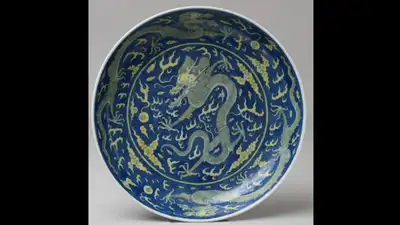
A Chinese porcelain dish bought for £2 at a charity shop in Blandford Forum has sold for £7,620 after an expert identified its connection to the Chinese Imperial Collection. A six-character Emperor Daoguang mark, dating to 1821–1850, further confirmed its link to the Chinese Imperial Collection. The dish was given an auction estimate of £1,500 to £2,000 before being sold at Woolley and Wallis. This mark, associated with the period from 1821 to 1850, confirmed the dish’s link to the Chinese Imperial Collection, according to the BBC. The dish had initially been set to be sold for only £2 at the charity shop, but its identification changed its destination from a charity-shop sale to an auction at Woolley and Wallis. The auction house gave the blue and yellow porcelain dish an estimate of £1,500 to £2,000 before it eventually sold for £7,620.
The piece was therefore identified as a Chinese imperial porcelain item from the 19th Century. Further examination of the dish revealed a six-character Emperor Daoguang mark.
The blue and yellow “five dragon” dish was examined by John Axford, chairman of Woolley and Wallis and an Asian art specialist, who recognised its period from its distinctive decoration. The proceeds went directly to the charity.
Rare Chinese imperial porcelain rarely appears on the market
The £7,620 auction sale was not the only significant detail surrounding the discovery. The second item was a blue-and-white dragon bottle vase, bought for £100 at a charity shop in Surrey and subsequently sold for £5,080 after Axford confirmed that it dated from the first half of the 19th Century.
Axford told the BBC that pieces of this type do not come onto the market very often. He said such objects are “usually held in public collections or sometimes in private collections”, while describing this particular dish as having been left somewhere in the south-west of England before it was discovered at the charity shop. He said that much of the interest in the sale came from mainland China and Hong Kong.
Axford explained that a significant amount of Chinese imperial porcelain was brought back to Europe after the fall of the Qing dynasty. The proceeds from the dish would go directly to the charity that operated the shop where the porcelain was found. The dish was one of two Chinese porcelain pieces found in British charity shops and later sold at auction. You use AI every day. Now get your AI Quotient. Take the AIQ test.