
When Wild Ken Hill, a coastal farm in Norfolk, began transforming 500 acres of poor, marginal farmland in 2019, the aim was to let nature recover with as little intervention as possible. Three years later, a repeat vegetation survey found that the average number of plant species in open parts of the rewilding area had almost doubled, from 16.8 in 2019 to 33.2 in 2022. The findings, published by the farm and supported by independent conservation bodies including Rewilding Britain, offer an early glimpse of how quickly biodiversity can respond when former farmland is given space to recover.
Rewilding Britain describes the site as a 416-hectare project that began in 2019 and includes lowland grassland and woodland. Beavers were later introduced as ecosystem engineers, while the site continued to be monitored through detailed ecological surveys. The rewilding area was managed through natural grazing, with free-roaming Red Poll cattle, Exmoor ponies and Tamworth pigs helping shape the vegetation. The project now combines three approaches: rewilding, traditional conservation and regenerative agriculture.
The most striking results came from a vegetation survey repeated in 2022 by naturalist Graeme Lyons, who had established a baseline in 2019. Across open parts of the rewilding area, the average number of plant species recorded per plot rose from 16.8 to 33.2. There, the average number of plant species increased from about seven to around 32, more than a fourfold rise. The survey covered 57 plots that had previously been used for arable farming, conservation margins or grassland. One particularly striking sandy-soil plot went from just four plant species in 2019 to 48 three years later. The survey also recorded an increase in seedlings, from 651 in 2019 to 1,075 in 2022, suggesting that natural regeneration of scrub and trees was beginning to take place.
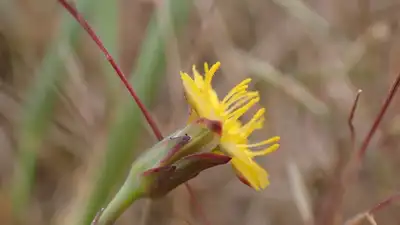
Researchers returned to the same locations using GPS and recorded vegetation using the same methodology, allowing changes over time to be compared. Species such as Common Cudweed and Smooth Cat’s-ear became much more abundant. The results also underline that rewilding does not necessarily mean simply leaving land untouched. At Wild Ken Hill, grazing animals have played an important role in changing the structure of vegetation. Their grazing, trampling and movement create openings and variation in the landscape, helping some plants establish while preventing others from dominating. The survey also found an increase in the average number of plant species with conservation status, although the change was partly driven by the spread of particular species rather than a uniform increase across every plot. That distinction matters. The results do not suggest that every part of the site improved in exactly the same way. Instead, they show how different starting conditions can produce very different outcomes, and why long-term monitoring is crucial to understanding rewilding.
But the change was even more dramatic in areas that had previously been cultivated fields.