
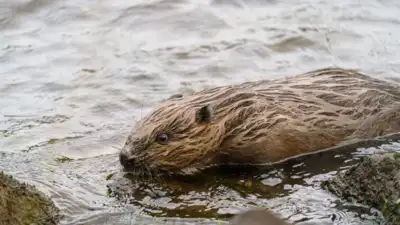
Wild beavers are set to return to the Loch Ness catchment area for the first time in 500 years after officials approved a major rewilding project in the Scottish Highlands. Under the approved Ness Beaver Project, conservation teams will release up to 15 beaver family groups into suitable waterways across the River Ness catchment over three years. Scottish nature agency NatureScot has granted an official release licence to conservation charities Trees for Life and the Beaver Trust. The first releases could begin within weeks, marking an important moment for wildlife and nature in the Scottish Highlands.
Beavers became a protected species in Scotland in 2019. The first beaver families are expected to be released before the end of the year. Eurasian beavers were hunted to extinction in Scotland during the 16th century. Heavy hunting for their fur, meat and castoreum, a substance used in perfumes, was the main reason for their disappearance. Their loss changed local rivers and waterways. Without beavers, natural wetlands were no longer maintained in the same way. These wetland areas had supported native fish, birds and water plants for thousands of years. The planned releases at Loch Ness are part of Scotland’s wider beaver strategy. The plan aims to bring the native animals back to suitable river catchments across the country. This means approved relocation can be used to manage their populations instead of killing them. The return of these water-loving animals is expected to help create natural wetlands, improve water quality and slow the flow of rainwater into rivers. Their activities could also provide new habitats for many insects, amphibians and bird species across the Great Glen. Project organisers understand that beaver activities, such as building dams and cutting down trees, can sometimes cause problems for farming and forestry. For this reason, the project teams spoke with local communities before receiving official approval. Trees for Life has appointed dedicated beaver management officers to work with local farmers and property owners. Under NatureScot’s support scheme, landowners will be able to get help with problems caused by beavers. This includes protective wraps for trees, devices to control water flow and free expert advice to deal with local flooding or damage to timber. Field teams are now completing transport plans and preparing the release sites. For a closer look at how beavers can change Scottish rivers and their surrounding habitats, viewers can watch an overview of Scotland’s Beaver Reintroduction Impact. The video shows the environmental changes that can happen when beavers return to Highland lochs.