
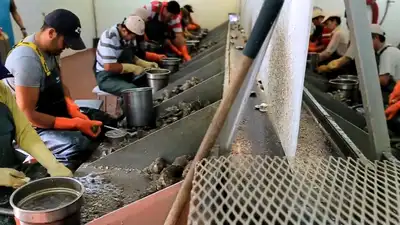
Oyster shells collected in recycling programme Image credits: Alabama Coastal Foundation
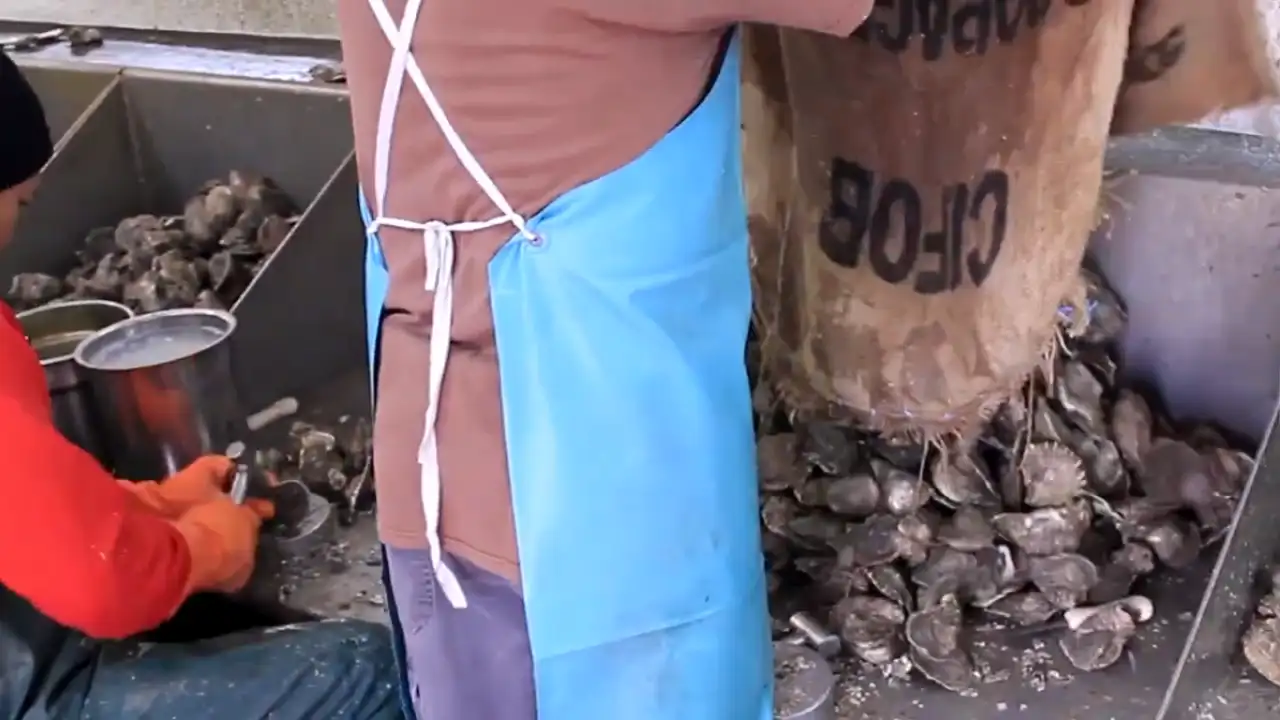
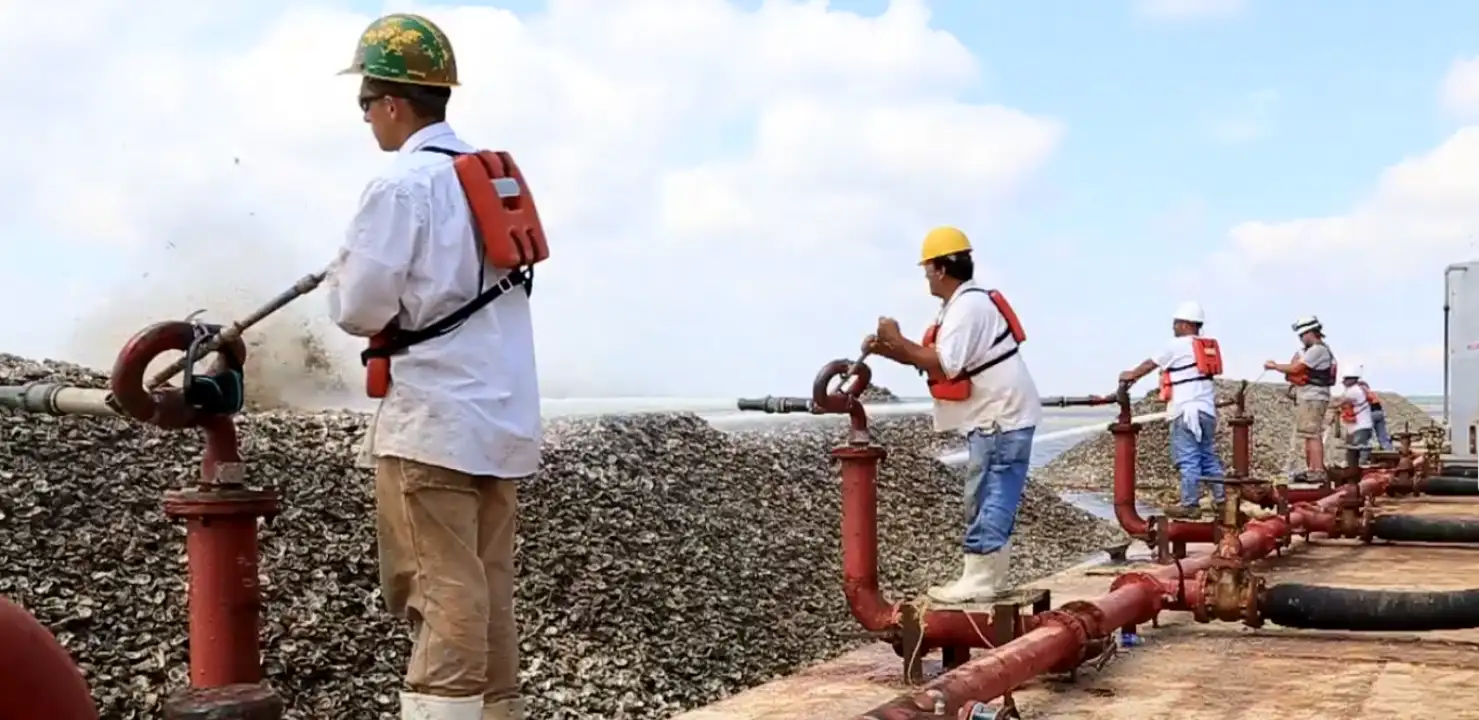
Because oyster reefs have been disappearing for a long time, with about 85 per cent lost worldwide, the timing matters.
The Little Lagoon Preservation Society’s president, the season starts around June and usually runs until late October or early November, when the oysters are harvested and carried to closed public reefs in Mobile Bay, according to Dennis Hatfield. Waters, the Auburn University extension professor who coordinates the gardening programmes, said the northern Gulf Coast is one of the last places in the world where restoration can still work, which is why the gardens and the shell programme are built to feed each other. The foundation says restored oyster beds give Gulf fish and crabs a place to live. Hatfield said the students love being out there.
Cured shells are placed on designated sites in Alabama waters. The foundation calls them the building blocks of newly restored oyster beds. Some shells take a detour through oyster gardening, which Waters coordinates in Alabama and Mississippi. Baby oysters are set on the shells, and the shells go to gardens. The Little Lagoon Preservation Society runs one in Gulf Shores. Once the shells are seeded with baby oysters, they are placed in cages at gardens like the one in Little Lagoon, where the young oysters grow through the warm months of the Alabama gardening season. P. J. They slow shoreline erosion. They also clean the water by filtering out silt, sediment, and excess nutrients. Anyone who fishes, swims, or lives on the coast gets a healthier bay. Tongers and farmers get a stronger harvest. Restaurants get a better option than the dumpster. Krista Fleming teaches environmental science at Gulf Shores High School. She brings her classes to the lagoon to count oysters by hand. They also calculate what those oysters do for the ecosystem, like filtering water and providing habitat. You use AI every day. Now get your AI Quotient. Take the AIQ test.