
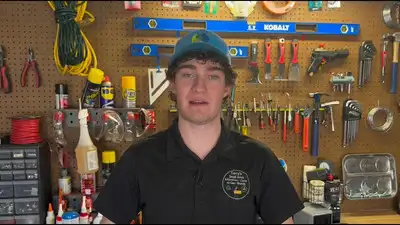
Photo credit: Carter Grandbois / InstagramThis image is improved using Gemini
At 16, while many of his classmates were thinking about part-time jobs in retail or food service, Carter Grandbois saw an opportunity in other people’s clutter. Two years later, at 18, he runs a growing junk-removal company that can bill as much as $15,000 in a busy month, all while finishing high school and planning his next moves. At 16, Carter launched his business with minimal equipment. By 17, Carter was no longer just the guy with a trailer; he was running a small business with a brand, a customer base and a growing reputation in the Colorado Springs area. At 18, Carter says his business can bill up to $15,000 in a busy month, depending on the season and the number of large jobs he books.
His story, as told to Fortune, shows how a simple service business, combined with savvy use of social media and a strong work ethic, can turn a teenager’s side hustle into a serious income stream. His initial “marketing” was simple: posts on Facebook, Instagram and local community groups advertising junk removal, yard clean-ups and small move-out jobs. Living in Colorado Springs, he borrowed a trailer, posted on social media and started hauling away junk for neighbours and local businesses. The idea for a junk-removal business came from everyday observation. He noticed that people in his community often had piles of unwanted items: old furniture, appliances, construction debris, yard waste—but didn’t want to deal with the hassle of loading, hauling and dumping them. He did not have the capital to buy a truck or a dedicated trailer, so he borrowed a trailer from a family friend and used a vehicle he could access to tow it. Early customers were neighbours, friends of his parents and people who saw his posts online. He priced jobs competitively, often undercutting larger companies while emphasising speed and reliability. If a customer needed something gone the same day or next day, Carter made it happen. Spring and summer tend to be peak times, as people clean out garages, prepare homes for sale and tackle yard projects. Fall and winter can be slower, but there is still steady demand from landlords, contractors and businesses.
Running a business while finishing high school is not without challenges. Carter has had to manage to scheduling jobs around classes, exams and extracurricular activities; handle customer communications, estimates and invoicing in his spare time; and decide how much to reinvest in equipment versus saving for future goals, as per the report. He has talked about the pressure of being self-employed at such a young age but also the freedom it gives him to set his own hours and pick his jobs. For the future he is considering options such as expanding his service area, adding more trucks and crew members or even looking into related services such as light demolition, yard work or moving assistance. What makes his model work Carter’s success is not simply about hard work; it’s about a business model that fits his community and his strengths. For other young people looking to start a business, his story suggests you do not need a tech startup or a novel invention to build something profitable; sometimes, solving a basic, everyday problem is enough. Here are some lessons based on his experience: Start small and test the idea locally before making a big investment. Use the platforms you’re most comfortable with, especially social media, to market your services. Focus on reliability and customer experience: word of mouth is powerful for local service businesses. Reinvest early profits into better equipment and capacity, but keep costs flexible. For Carter, junk removal is more than a way to make money; it’s a proof of concept that he can build and run a business on his own terms.