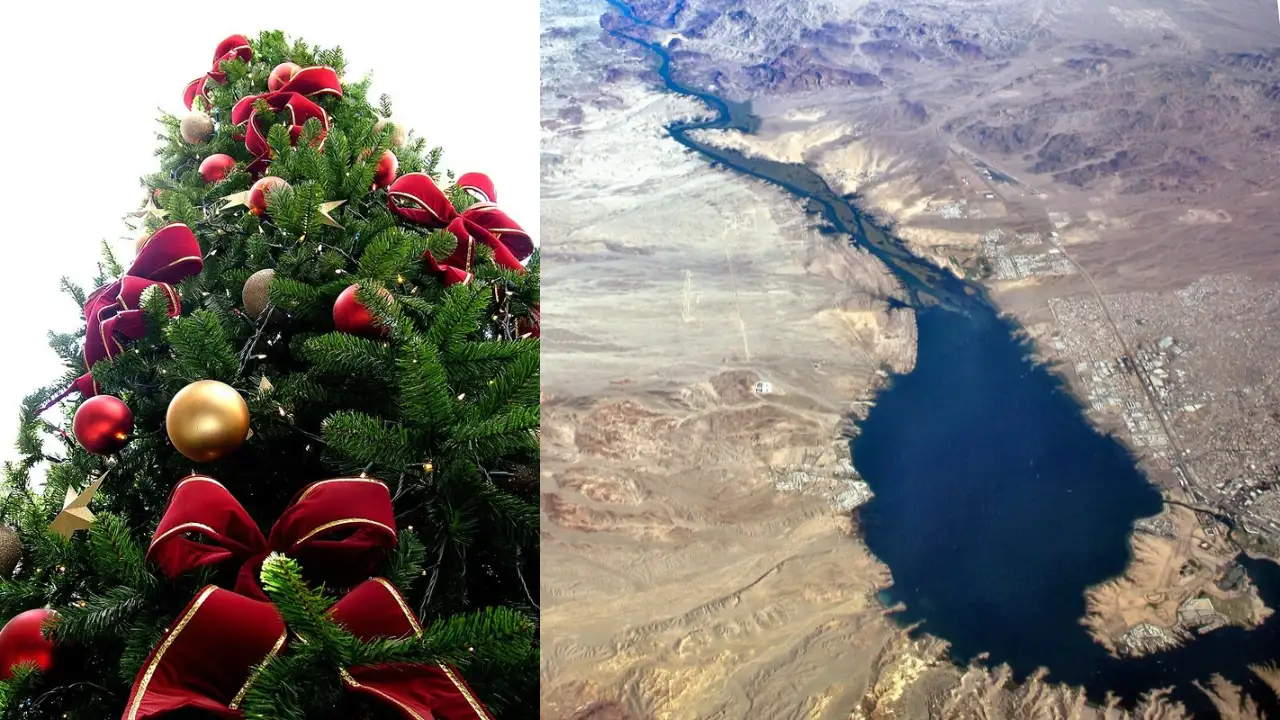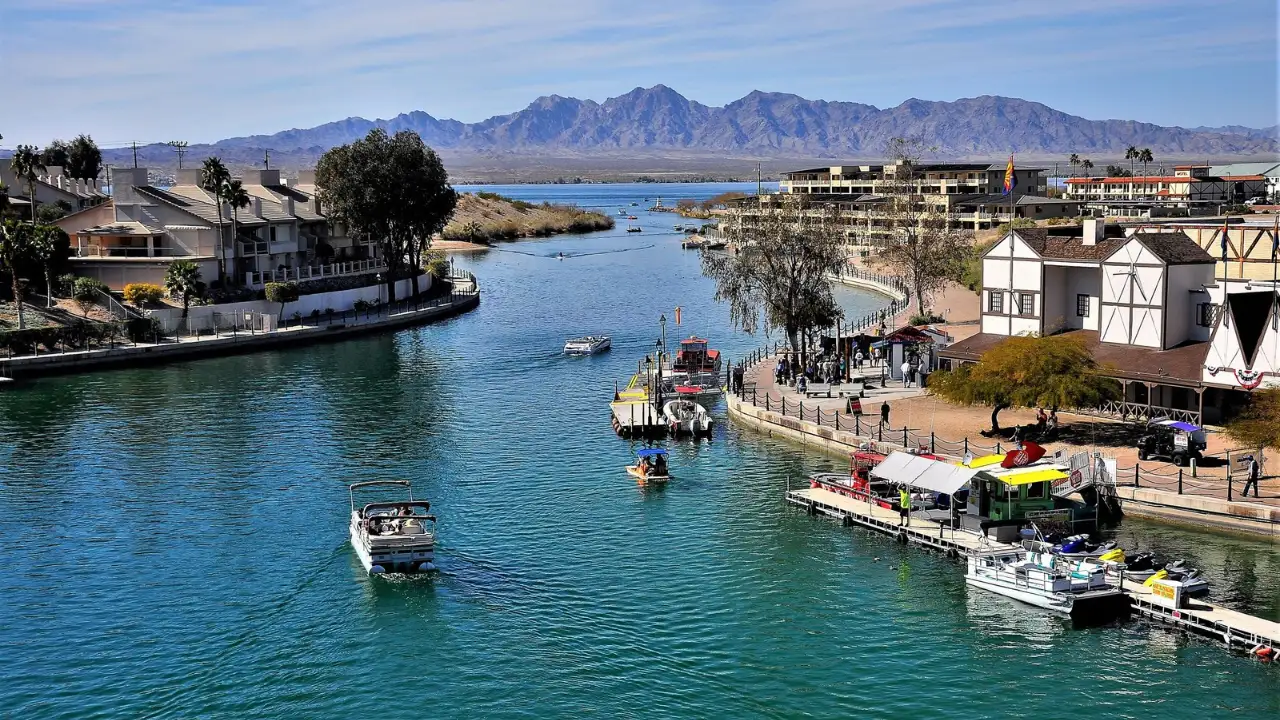
The Lake Havasu Fisheries Improvement Program received 560 Christmas trees in the year before its December 2025 report | Wikimedia Commons
The Bureau of Land Management said the Lake Havasu Fisheries Improvement Program received 560 Christmas trees in the year before its December 2025 report, compared with 68 trees three years earlier. The Lake Havasu Fisheries Improvement Program received 560 Christmas trees in the year before its December 2025 report | Wikimedia Commons What happens after the trees go underwater The trees become part of a small underwater food chain, and according to the BLM, the brush bundles and pine needles gradually decompose. The agency says that submerged bundles can supplement habitat for as long as 10 years. A separate BLM account published in November 2025 described the program as having three decades of stewardship and identified partners including the Bureau of Reclamation, U.S. The BLM says about 20 regular volunteers help with the work, including bundling and placing the donated materials, and the program also receives brush from local landscapers and collection support from a waste-management service.
Because the underwater structures are intended to concentrate fish, the department lists Lake Havasu among Arizona reservoirs with designated fish-habitat locations.The locations are mapped.
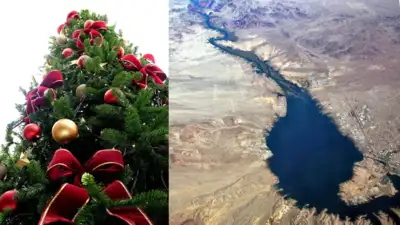
The BLM says that brush trimmings are collected throughout the year, while fresh-cut Christmas trees are gathered after the holidays. The BLM says parts of the lake were relatively flat and lacked submerged habitat, with rocky and sandy areas but very little cover or food source for fish, and the addition of brush and Christmas trees provides both structure and organic material. Arizona Game and Fish says its Aquatic Habitat Program conducts habitat surveys, and designs projects to improve reservoir fish habitat, and its work includes structures made from several materials, including PVC, wood and Christmas trees. Arizona Game and Fish provides GPS-enabled habitat files that anglers can use with compatible fish-finding equipment, and says that these structures are installed to help anglers locate fish throughout the year. View from London Bridge | Wikimedia Commons A local recycling program that became a fisheries project The BLM says that the partnership began scaling up the idea in the early 1990s, and was building on earlier efforts by individuals who used discarded trees to improve fishing habitat in small private ponds.
Discarded evergreens are being bundled with other vegetation and placed underwater as fish habitat in Arizona. The program uses the donated trees and brush to add structure to parts of the lake that provide very little cover for fish. The program operates around Lake Havasu City, where the Bureau of Land Management manages Partners Point and works with local and state partners. Unsold trees from local retailers and donations from residents are also incorporated into the program, after which, the trees are bundled and transported by boat to predetermined locations in the lake instead of remaining above ground as waste. Insects, snails, mussels, crayfish and plankton feed on the decomposing material, while fish feed on those smaller organisms. The branches also provide places where smaller fish can hide from predators after the needles and leaves have fallen. The Lake Havasu program eventually developed into a partnership that involved federal agencies, state agencies, conservation groups, anglers and volunteers. Geological Survey, U.S. Fish and Wildlife Service, Arizona Game and Fish Department, Arizona State Parks and Trails and California Department of Fish and Wildlife. The trees are collected after the holiday season, bundled with other vegetation and eventually placed in the lake. For the program, the discarded evergreens serve two purposes at once; firstly, they stay out of the landfill and secondly, become temporary underwater structures for fish. Catch the latest World News and Live updates. Download the TOI app.