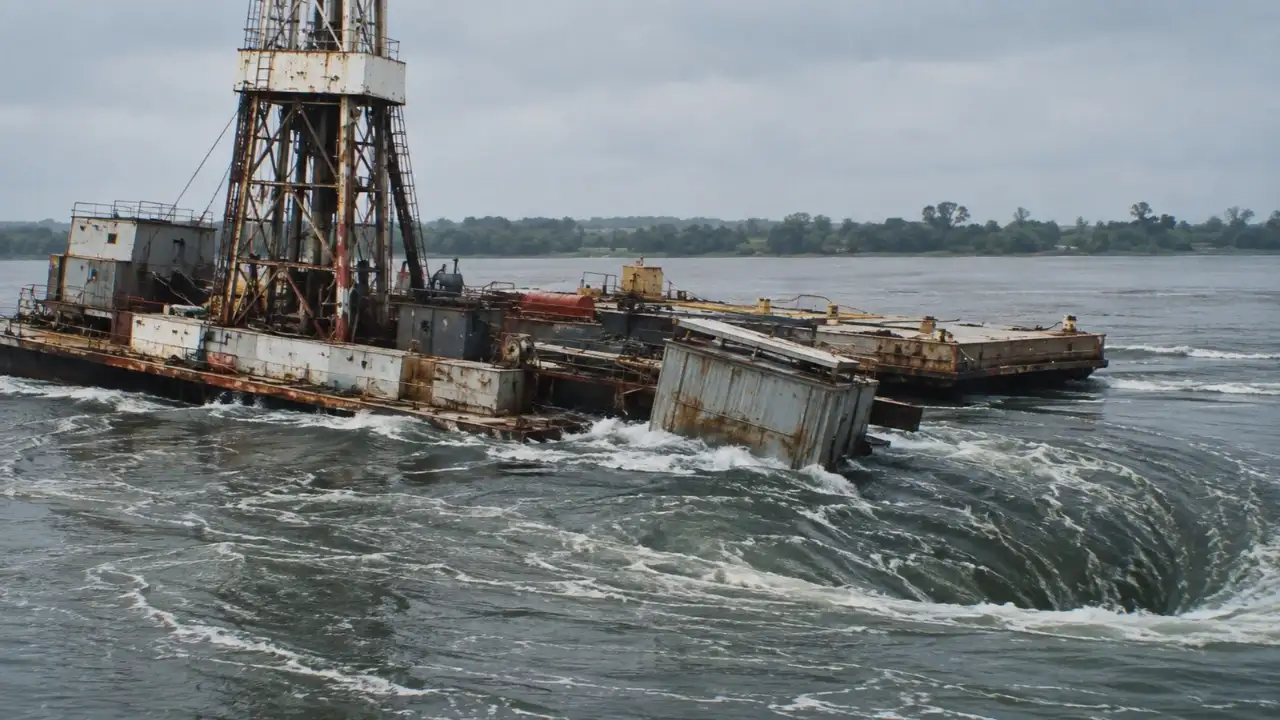
AI REPRESENTATION: Lake Peigneur in Louisiana after a drilling accident triggered a massive whirlpool in 1980, swallowing the drilling rig and several barges | ChatGPT
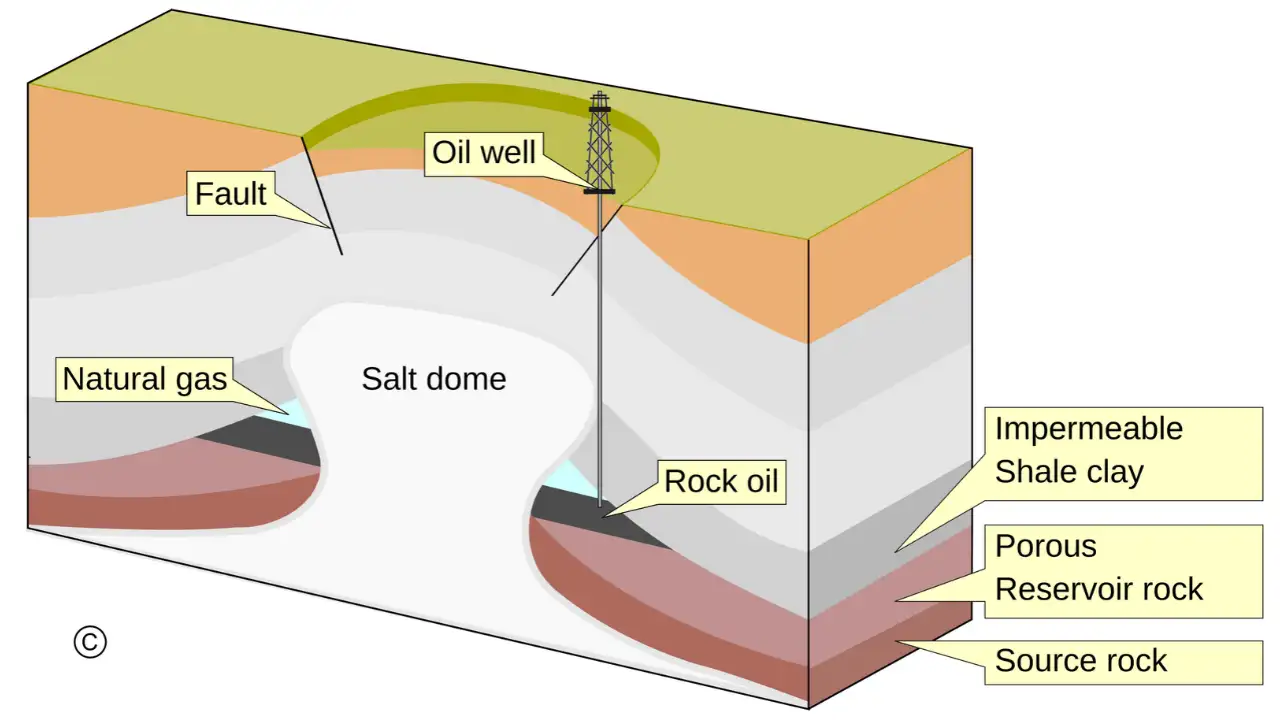
The Washington Post reported that seven men on the drilling rig and about 50 men in the salt mine escaped, and fortunately, no one was killed. AI REPRESENTATION: Lake Peigneur in Louisiana after a drilling accident triggered a massive whirlpool in 1980, swallowing the drilling rig and several barges | ChatGPT The underground salt workings could no longer contain the flow as water rushed downward through the opening created by the drilling accident, and the water eroded the surrounding salt structure and enlarged the opening. The University of Louisiana at Lafayette’s Special Collections describes Lake Peigneur before the accident as a broad but extremely shallow lake of about 1,300 acres, with an average depth of only around 11 feet. The University of Louisiana at Lafayette says that the lake eventually became roughly 200 feet deep and changed from freshwater to saltwater, and the nine barges that had been pulled under during the disaster later resurfaced. The university says that about 70 acres of land and trees were swallowed, along with parts of the botanical gardens on Jefferson Island. The lake had once been only about 11 feet deep, and now occupied a much deeper basin created by the collapse. A later Louisiana State University report on underground storage cites the 1980 accident as an example of the hazards associated with drilling into salt formations, and notes that the drilling rig accidentally punctured the top of the salt mine, after which water entered the mine and pulled 11 barges and surrounding land into the underground caverns. The report also records that the salt mine closed in 1986 and that the caverns were later used for natural-gas storage.
The accident began when the drilling operation encountered the underground salt formation, when workers noticed problems with the rig and evacuated as the situation worsened. Lake Peigneur was no longer the same body of water once the flow slowed, and gulf water that was flowing backward through the canal refilled the depression.