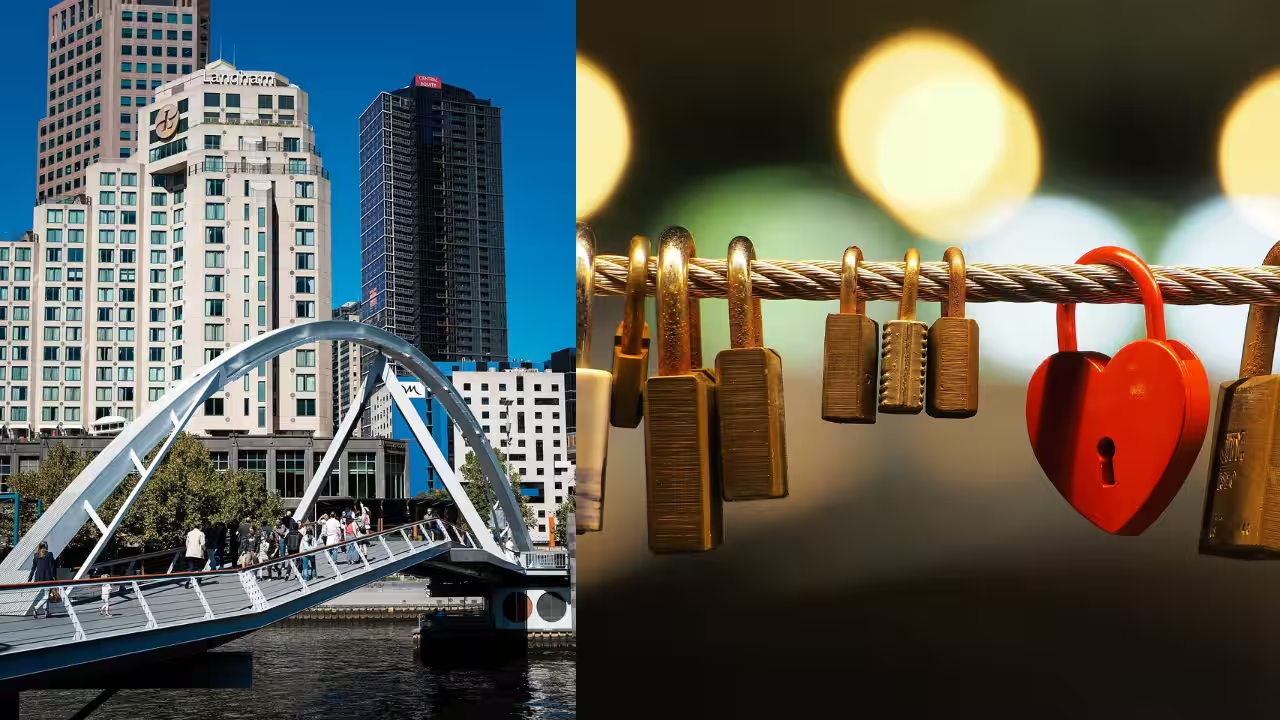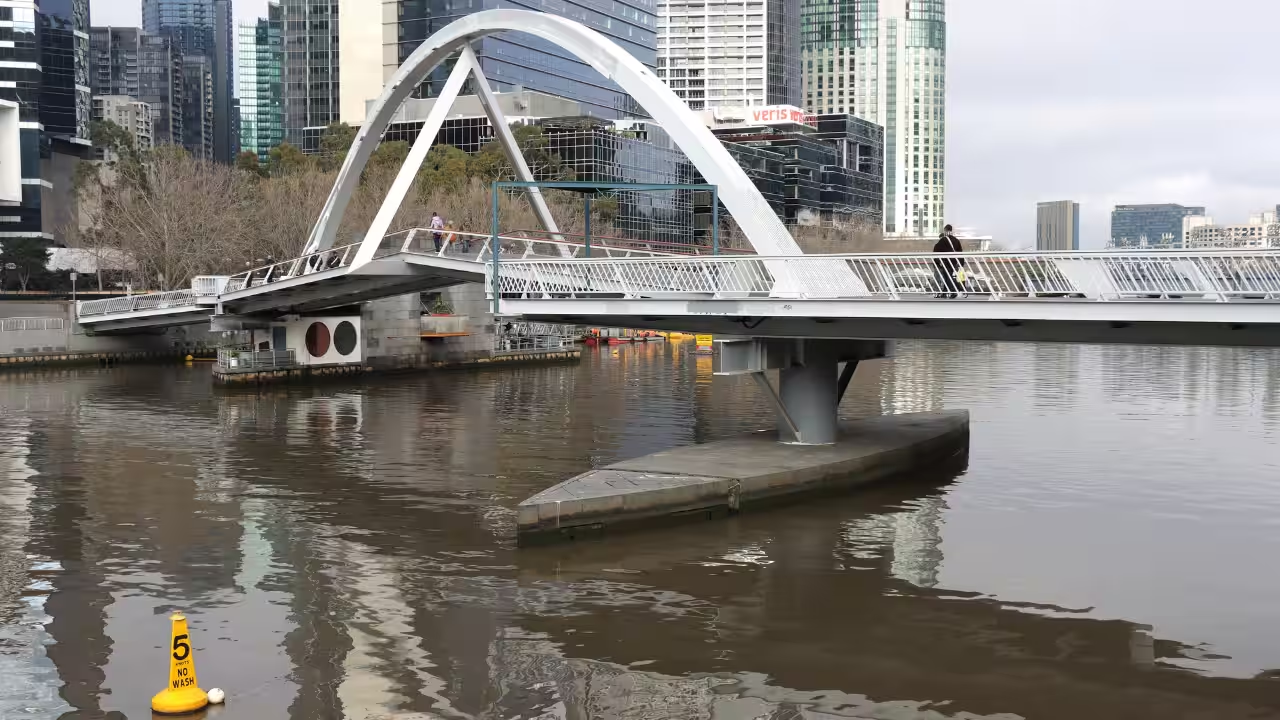
The city planned to remove the locks by detaching the support wires and sliding the padlocks off rather than cutting every individual lock from the railing | Wikimedia Commons
By May 2015, about 20,000 locks covered the bridge’s cable railings, and Melbourne City Council said the weight was causing the wires to sag and announced that the locks would be removed. The council estimated that as many as 40,000 keys had been thrown into the Yarra River. In July 2015, the Southgate pedestrian bridge was officially renamed the Evan Walker Bridge in honor of the former Victorian planning minister who was associated with the development of Melbourne’s Southbank precinct. By 2018, ABC News reported that new locks were still appearing but were being removed by city officers, and the council said that the continuing removals were intended to preserve the bridge’s structural integrity.
Because of the sag, which further complicated the structure, some locks were being placed across two wires. Because of safety concerns and damage to the bridge, which had not been designed to carry the additional weight, a later City of Melbourne collection record describes the removal of almost 20,000 locks as necessary.
Lord Mayor Robert Doyle said the supporting wires were beginning to sag under the accumulated weight. Couples had been attaching padlocks to the railings of Melbourne’s Southgate footbridge for about three years when the city decided the collection had become too heavy. The cables still needed to be maintained, and the council continued removing new locks after the large-scale cleanup. Artists were invited to transform the locks into new pieces instead of treating the collection simply as scrap metal, and the resulting works included a large brass sculpture and other objects made from the locks. The transformation also separated the romantic ritual from the bridge itself, since couples could still commemorate their relationships, but the physical act of attaching another lock to the bridge was no longer treated as harmless decoration. People continued attaching new padlocks to the bridge, and city workers periodically removed them to protect the structure.