28, 2005. View of the eyewall of Hurricane Katrina taken on Aug. Image credits: Wikimedia Commons
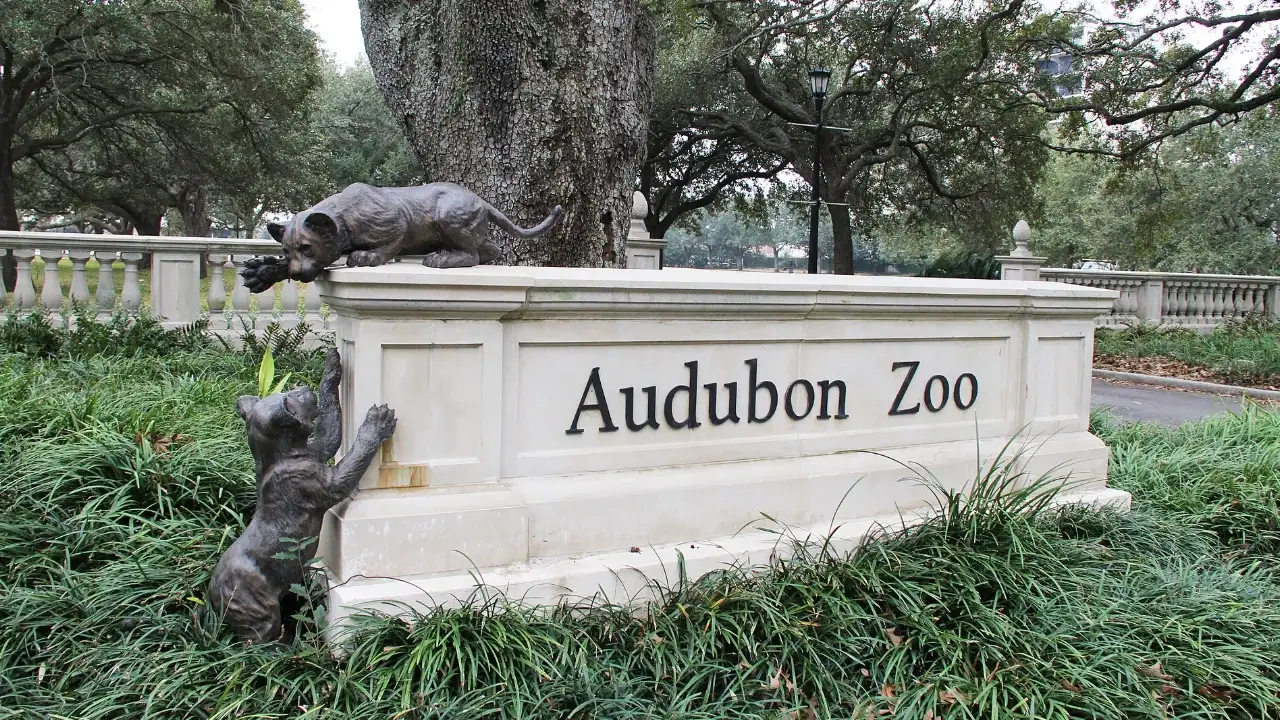
Curator Dan Maloney and a staff of 11 stayed with the animals right through the hurricane, according to PBS Nature’s Katrina’s Animal Rescue. The same report also indicates that much of New Orleans probably saw sustained winds at the level of a Category 1 or Category 2 hurricane, despite being a Category 3 at landfall. The larger issue was the water; the storm surge was 15-19 feet in eastern New Orleans, the flood walls were overtopped/breached, and 80% of the city flooded to a depth of up to 20 feet. The Army Corps of Engineers pumped the last of the floodwaters out of New Orleans on October 11, 2005, about 43 days after Katrina made landfall, according to Britannica. Twenty years later, in a 2025 interview with WHAS, Maloney, now director of the Louisville Zoo, recalled that the zoo did not flood and that broken tree branches were the most visible damage. Quoting Maloney, the total number of animals at the zoo is almost 1,500, and the list of the losses goes like this: there was one raccoon who drowned, two young otters that passed away several days after the storm and one Bali monitor that disappeared, according to NPR. Audubon Zoo reopened on the Friday after Thanksgiving in 2005, the first day it had been open since Hurricane Katrina, according to NBC News. Without revenue the zoo furloughed three-quarters of its overall staff, and the animal care staff went from nearly 65 to 35 people, according to NPR.
Because according to the National Hurricane Center report, Katrina resulted in about three million people being without electricity, for a period of about several weeks, this was important.
An NPR report from that November calls Maloney the zoo’s general curator and says the zookeepers rode out the storm in the reptile house. He also said his team lived at the zoo for two months, a difficult time. A quote by zoo spokeswoman Sarah Burnette says that “the zoo has been in close coordination with Miami MetroZoo following Hurricane Andrew and has since revised its hurricane response plan”, according to a report on Mongabay from the week of the hurricane.
It credits the zoo’s high elevation and the staff’s careful emergency planning for the animals’ survival. The PBS feature adds that Maloney later asked soldiers stationed at the zoo to walk the grounds when off duty, and that the elephants and primates in particular began to respond. The zoo sits on elevated ground. Prior to Katrina, the zoo had prepared a supply of fuel and other food supplies.
Initial Observations of the Response to Companion Animals during Hurricane Harvey , by Steve Glassey in Animals, interviewed six key officials involved in the response to Hurricane Harvey in 2017. It does show that planning for animals in disasters moved into government policy after Katrina, and that gaps in that planning were still being worked out in 2017. Katrina also changed policy. Did Harvey Learn from Katrina? They were queried regarding the effectiveness of the federal PETS Act, which followed the hurricane. The act helped encourage evacuation planning that includes pets alongside their owners. Another observation made by the author was the poor development of the plans as per the requirements of that act and also the unresolved lessons of previous emergencies. The study looks at household pets rather than zoos and relies on a small sample of six officials, so it cannot show how the Audubon Zoo experience shaped zoo planning.
Among the survivors were a green sea turtle, 19 penguins, two sea otters and an anaconda. About 10,000 aquatic animals at the Audubon Aquarium of the Americas died because of the hurricane, according to NBC News. As for the aquarium located next to the aquarium in this case, it is clear how the storm could impact the building relying on its mechanisms.