PC: Forbes
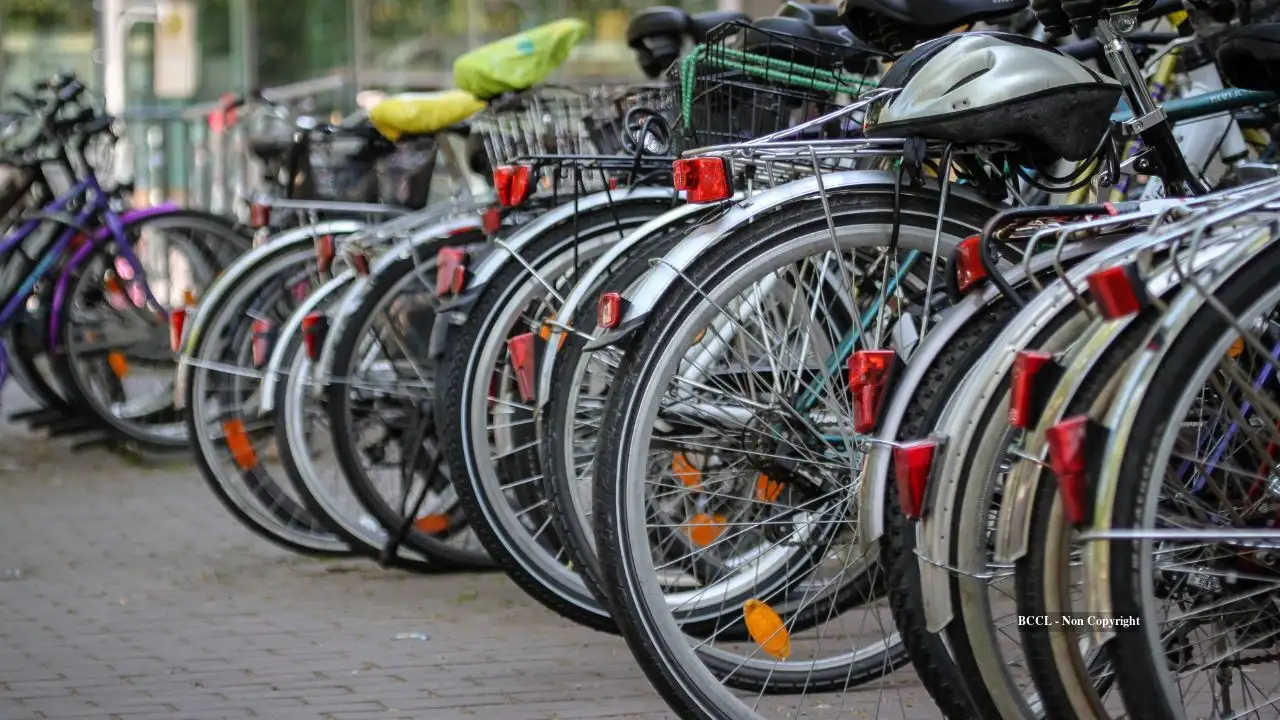
In 2017, Rihanna’s Clara Lionel Foundation partnered with bike-sharing company Ofo to address that barrier alongside the cost of education. Their five-year initiative, called 1 KM Action, paired scholarships for girls with bicycles to help them travel to school more safely and quickly. In the context of the 1 KM Action partnership, the bikes were presented as a way to support safer, easier access to school for scholarship recipients.
Teen Vogue reported that the first bikes had already arrived in Malawi as the partnership was announced. For some girls in Malawi, getting to class can mean a long walk each way, adding time and effort to an already demanding school day. The idea was simple but practical: a scholarship could help a student afford schooling, while a bicycle could make it easier to get there. Together, the two forms of support aimed to help more girls stay in education. Read more about it here: The programme also drew attention to the particular pressures girls can face in accessing education. Long commutes can bring safety concerns and add difficulty to an already demanding routine. By pairing scholarships with bicycles, the initiative acknowledged that school access depends on more than a place in a classroom. Education programmes often focus on tuition, supplies or school infrastructure. Yet getting to school is part of the experience too. When a student has to travel a considerable distance each day, the commute can affect attendance, concentration and the time available for other responsibilities. A bicycle offers a relatively direct solution. It can shorten travel time and provide more flexibility than walking, especially where public transport is limited or unreliable. The programme’s design reflected a broader idea: support is most useful when it responds to the daily realities students face. A scholarship may open a door, but practical measures can help students keep walking through it. Combining financial and transport assistance made the initiative more attentive to the full journey from home to classroom. A bicycle can seem like a modest intervention compared with the scale of educational inequality. Yet for a student who must travel a long way to class, the difference can be felt every day. Less time walking may mean more time for lessons, homework or rest, while a more manageable journey can ease some of the strain on students and families.