
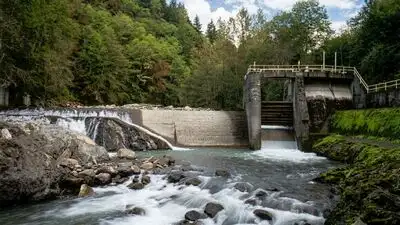
PC: American Rivers
The work did not stop when normal construction schedules were disrupted by Covid-19. A study from the University of North Carolina estimated that ecological restoration directly employed about 126,000 people nationally and supported another 100,000 jobs indirectly, with the sector contributing around $25 billion to the US economy each year. Engineers, contractors, local authorities, conservation groups and other partners continued with projects where it was possible to do so safely. In many cases, the work is also tied to local economic activity.
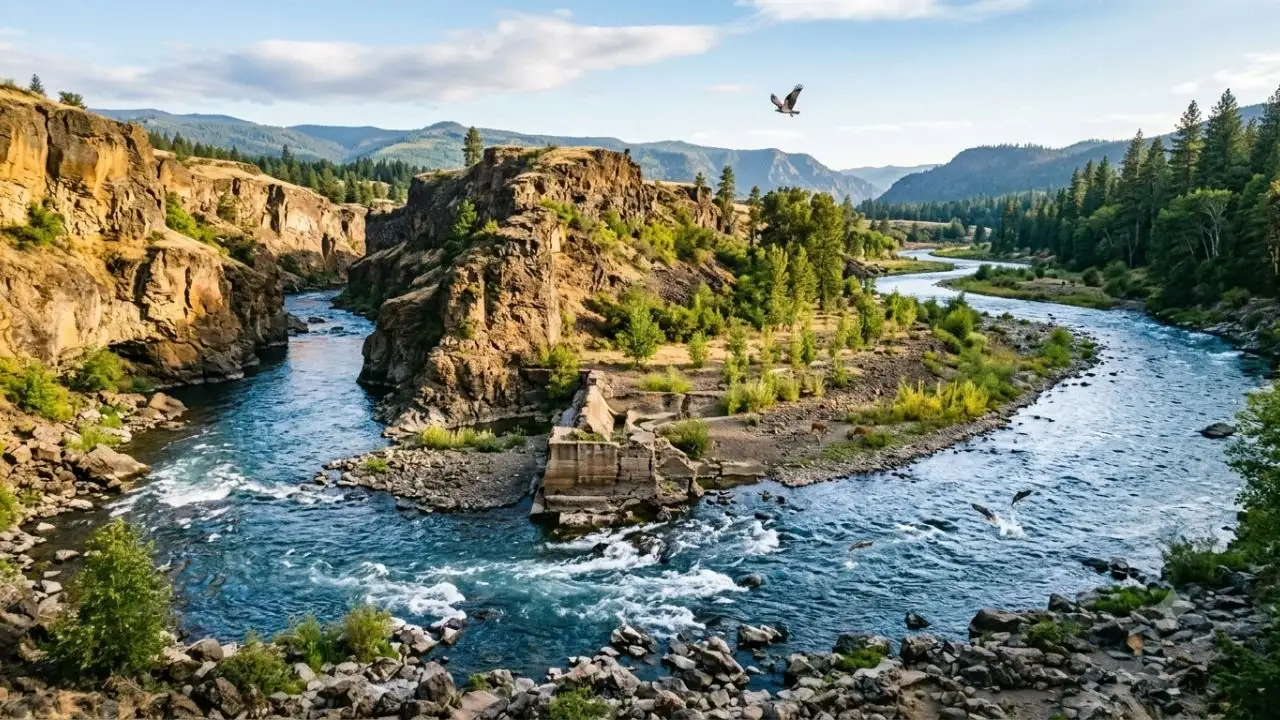
In South Carolina, the Burson Lake Dam on Reedy Creek faced a different problem after heavy rainfall damaged its spillway in spring 2020, increasing the risk of failure; rather than repair the ageing recreation dam, the US Forest Service chose to remove it, eliminating a safety concern and future maintenance costs while restoring habitat for aquatic species such as Bartram’s bass. In Indiana, the Elkhart River Dam, built around 1890 to divert water into raceways that once powered downtown industry, had outlived its original purpose but continued to block fish passage; removing the roughly eight-foot structure reconnected about 40 miles of upstream habitat and was expected to benefit 16 fish species and improve movement and genetic mixing among about 50 species, including the threatened or endangered greater redhorse, longnose dace and northern brook lamprey. In Montana, removal of the more than century-old Rattlesnake Creek Dam reconnected the Rattlesnake Wilderness with the Clark Fork River, while restoration plans included removing other structures, restoring about 1,000 feet of stream channel and creating five acres of wetland and floodplain habitat. On Washington’s Pilchuck River, two diversion dams were removed by the Tulalip Tribes and City of Snohomish, opening more than 36 miles of upstream habitat for Chinook, coho, chum and pink salmon, steelhead, bull trout, cutthroat trout and other species, while also reducing dam-failure risks and improving recreational opportunities.