Image: The MacArthur Foundation
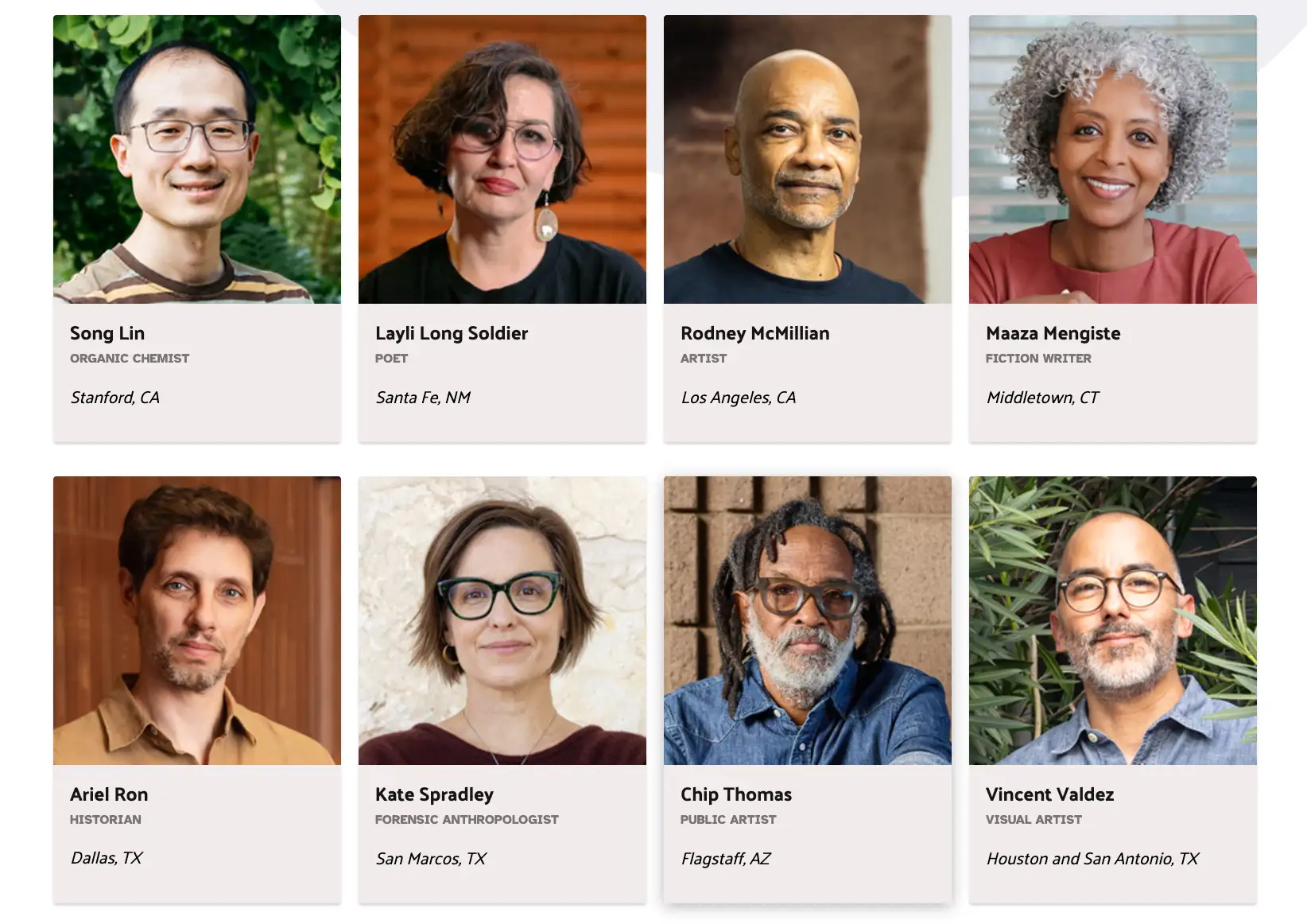
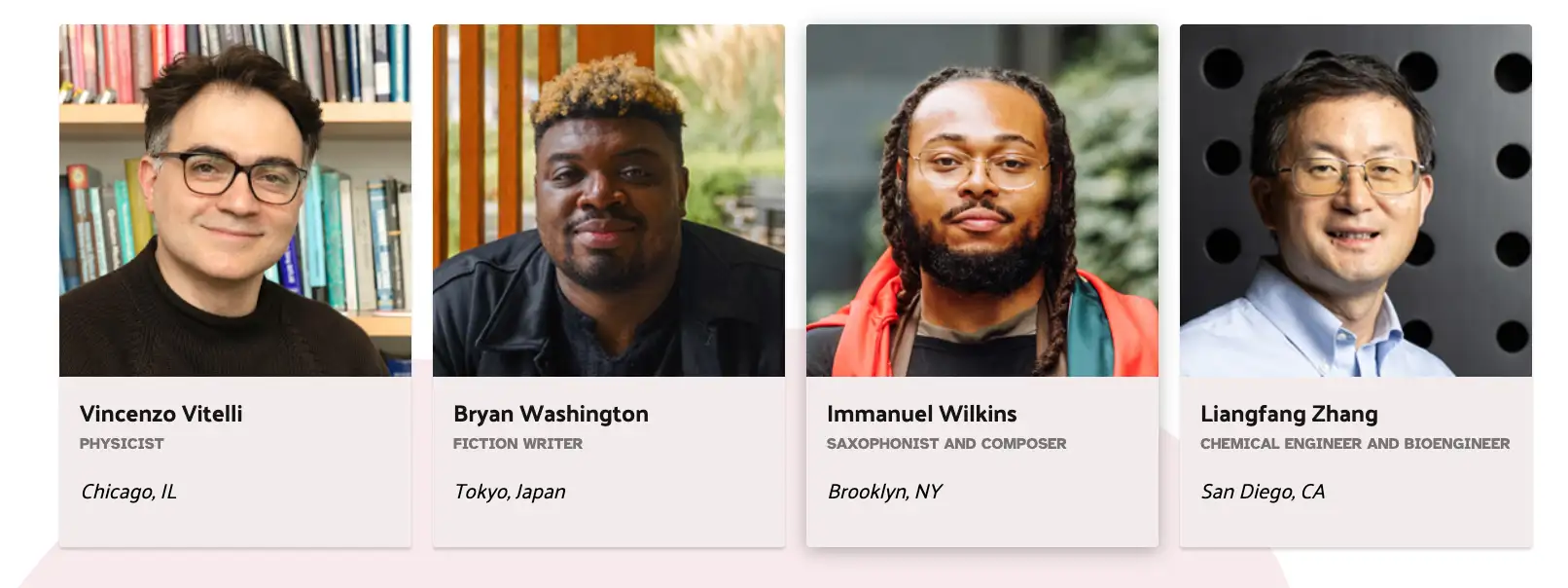
Bryan Washington, a fiction writer in Tokyo, captures modern relationships in novels including “Memorial” and “Palaver”. Layli Long Soldier, a poet in Santa Fe, reworks historical texts to underline the erasure of Native Americans and pairs her writing with visual art. Trajal Harrell, a choreographer and dancer based in Zurich, merges dance traditions into an imagined archive that dissolves the barriers between styles. Christine Sun Kim, an artist in Berlin, conveys the experiences of deaf people and finds new ways to understand sound through drawings, large-scale murals, video and interactive works. Rodney McMillian, an artist at the University of California, Los Angeles, moves between sculpture, painting, video and performance to explore how history and socioeconomic conditions shape belonging in the American South. Chip Thomas, a public artist in Flagstaff, Arizona, turns neglected spaces, mostly in the Navajo Nation, into public works rooted in community history. Vincent Valdez, who divides his time between Houston and San Antonio, paints historical and contemporary scenes that reflect Latino experiences in the United States. Immanuel Wilkins, a New York alto saxophonist and composer, writes music that often reflects historical narratives of injustice. Song Lin, an organic chemist at Stanford University, develops methods that open routes to safer and more sustainable synthetic organic reactions. Vincenzo Vitelli, a physicist at the University of Chicago, builds theoretical frameworks to describe how matter and materials with unusual properties will behave.
Maaza Mengiste, a fiction writer at Wesleyan University, uses historically informed novels to show the human cost of political conflict.