
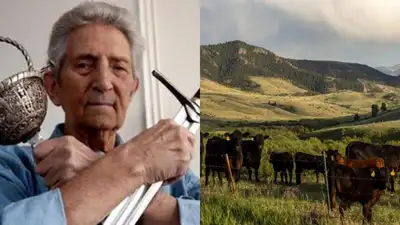
As per the USDA report, about 1.5 miles of Trail Creek runs through the property, attracting a diverse mix of wildlife, including elk, pronghorn, bears, sandhill cranes and numerous bird species
Nearly a century after Bob Anderson’s grandfather acquired a ranch southwest of Livingston, the Anderson family has placed all 884 acres under a permanent conservation easement, ensuring the property remains intact and available for agriculture, states a report by USDA’s Natural Resources Conversation Service website. As per the USDA report, about 1.5 miles of Trail Creek runs through the property, attracting a diverse mix of wildlife, including elk, pronghorn, bears, sandhill cranes and numerous bird species. Some landscapes change almost imperceptibly. Fences are repaired, seasons come and go, generations take over, but the land itself remains much as it was. In Montana’s Paradise Valley, one family has made sure that continuity will extend well into the future. Located in the Trail Creek area, the historic ranch combines productive farmland, native rangeland and an important stretch of waterways. The decision to place the ranch under a conservation easement was driven by a desire to keep the property together and protect its agricultural future. Rather than allowing development pressure to gradually divide the land, the easement permanently restricts subdivision and ensures the ranch remains one contiguous agricultural property, explains the online report.The Andersons worked with Northern Yellowstone Open Lands, a regional initiative of Gallatin Valley Land Trust, with support from the US Department of Agriculture’s Natural Resources Conservation Service through its Regional Conservation Partnership Program. The family donated a substantial portion of the property’s value toward creating the easement, with the donation matched through private philanthropy secured by the land trust. The protection also has implications beyond the ranch boundaries. Keeping the property intact preserves open space, supports wildlife movement and helps safeguard water resources in the Upper Yellowstone River watershed.
The ranch also borders protected private property and US Forest Service land, creating a larger landscape of connected habitat rather than an isolated parcel.Today the land is still a working agricultural property supporting grass hay and cattle production so its conservation is not simply about preserving scenery, it is about protecting farmland and rangeland from conversion to residential or other nonagricultural uses.