
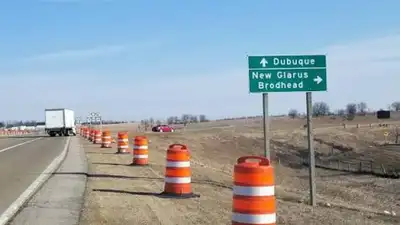
Indiana transportation officials sought part of Jeremy Willis’s property for a State Road 11 improvement project in Harrison County. After neither side filed an exception to the appraisers’ $20,840 valuation within the required 45-day period, the Indiana Supreme Court has ruled that the award became final and ordered the lower court to enter judgment. The ruling was issued October 2, 2026, in State of Indiana ex rel. The dispute began after the Indiana Department of Transportation sought to acquire a portion of Willis’s property as part of a project to improve State Road 11. Willis objected to the amount initially offered, prompting the state to file a condemnation, or appropriation, case in January 2025.
Indiana Department of Transportation v. Harrison Circuit Court, et al. The court’s opinion, along with coverage from The Indiana Lawyer, confirms the procedural history and outcome.
The court eventually appointed appraisers, who submitted their joint report on March 25, 2026. The report assessed Willis’s compensation at $20,840. Under Indiana law, the parties had 45 days after the report was mailed to file written exceptions if they disagreed with the assessment. No exceptions were filed by either side before the deadline, which was May 11. After the period expired, INDOT deposited the $20,840 compensation for Willis with the trial court, along with $12,400 to cover the appraisers’ fees.
In its unanimous opinion among the participating justices, the court said Indiana law makes an appraisers’ award conclusive when no timely exceptions are filed. Special Judge Justin Mills handled the case in Harrison Circuit Court. Willis challenged the taking, but the judge rejected his objection and later denied his request for reconsideration. Mediation became part of the case as the proceedings continued. The trial court indicated that the parties should pursue mediation, while the state maintained that the statutory appropriation process, including an appraisal, needed to happen first. The department then asked the court to enter judgment based on the appraisal. The trial court declined. Instead, it ordered the parties to proceed with mediation and later scheduled a hearing concerning possible sanctions against the state’s attorney. The Indiana Supreme Court sided with INDOT. The justices determined that the trial court no longer had discretion to postpone judgment or require mediation over damages that had already become fixed under the statute. The court also rejected the argument that the mediation order had extended or suspended the deadline. It pointed to previous Indiana decisions establishing that a trial court cannot relieve a landowner from the statutory requirement to file exceptions within the prescribed period.
That deadline became the central issue before the state Supreme Court.