
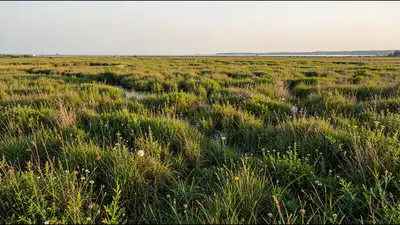
Representative Image of coastal wetland restoration in Metzger Marsh, Ohio, highlighting 27 years of plant changes ( AI Generrated Image)
In 1995, a dike was constructed to replace the function of the eroded barrier. Their analysis used colour-infrared aerial photographs from 1994 to 2010, together with imagery from 2022. The first recorded changes followed a reduction in water levels in 1996. The study records the water-control structure opening in 1998. By 2000, invasive Phragmites australis, or common reed, had become the marsh’s dominant plant.
The drawdown prompted plants to emerge from the soil’s seed bank, including species associated with exposed mudflats, according to the researchers. Unlike a structure that would completely separate the marsh from the lake, it incorporated a water-control mechanism to allow managers to regulate the connection between the two. A passage for fish was incorporated into the structure, with the design intended to limit the movement of large common carp into the marsh. The researchers examined vegetation before, during and after construction. They also carried out quantitative sampling of major vegetation types. These records provided a basis for comparing the plant communities at different stages of the restoration. Tree seedlings also appeared. More than half of the marsh was vegetated during this early period and in subsequent years. Its spread marked a substantial change in the vegetation recorded during the project.
The study draws on records from 1994 to 2022, an elapsed span of 28 years. Its title describes the restoration as a 27-year project, but the available publication details do not specify how that period was calculated. It records the initial response to lowered water levels, the later dominance of invasive common reed, subsequent management and the prevalence of cattails and other wetland plants by 2022.
The findings are best understood through the dated observations and the vegetation changes documented over the study period. Rather than establishing a universal pattern for restored wetlands, the Metzger Marsh research documents the course of one project. Together, these observations provide a long-term basis for understanding vegetation change at the site and evaluating restoration management.