Cle Elum Dam was built in 1933 and stores water in the Cle Elum Reservoir | Wikimedia Commons
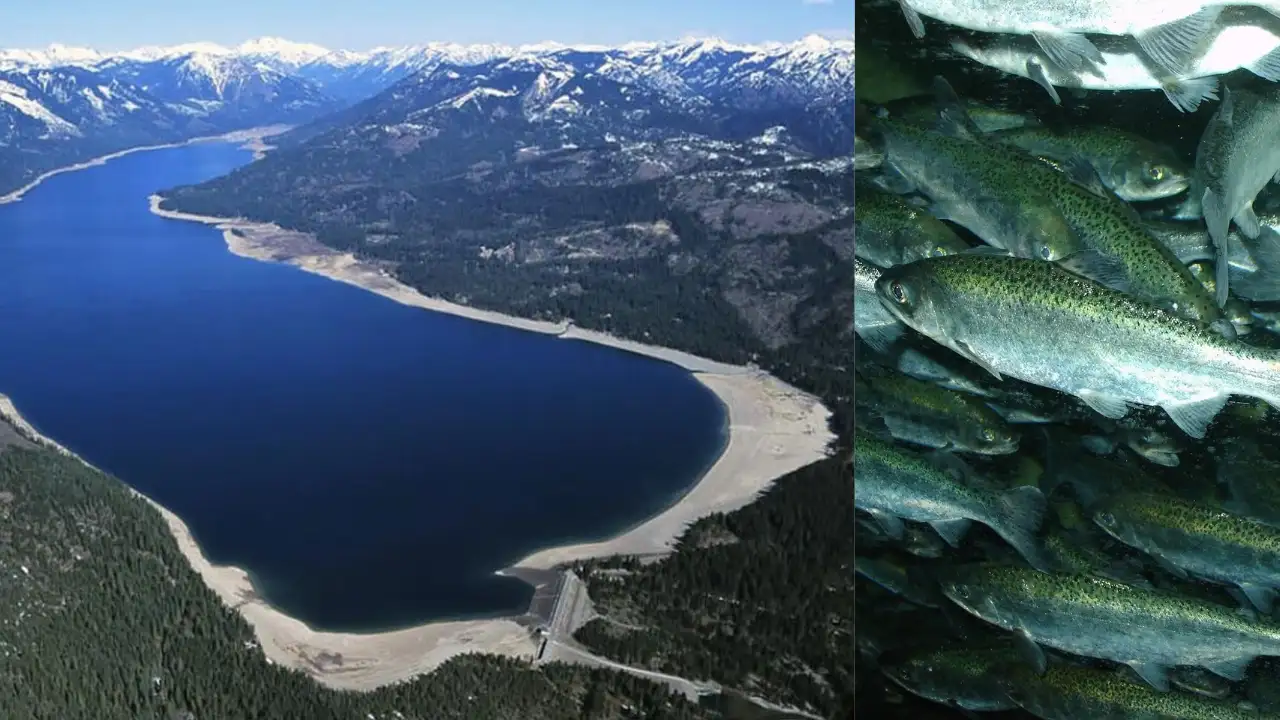
Cle Elum Dam was built in 1933 and stores water in the Cle Elum Reservoir. Its hydraulic research examined how juvenile sockeye salmon could safely travel more than 80 feet downward through a compact structure while still being able to maintain stable flow conditions. Washington’s Department of Ecology said that the fish can travel through the structure at speeds of up to 25 miles per hour, and the design was developed to reduce turbulence and provide a relatively smooth passage, with the trip through the helix itself taking about a minute. The helix drops the fish more than 80 feet in elevation before they enter a tunnel that leads to the Cle Elum River downstream of the dam.
It created a barrier for fish that were moving between the reservoir and the river below it, and the U.S. Bureau of Reclamation began developing a downstream passage design specifically for Cle Elum. The resulting design combines a multilevel intake, the helix, a tunnel, and an outfall downstream of the dam; the intake allows fish to enter at different reservoir levels, while the helix carries them downward before they continue through the tunnel toward the river. The concrete structure is similar to a spiral parking-ramp or waterslide, and fish enter from the reservoir and travel down the helix tail-first. The concept had been tested long before construction began, with Bureau of Reclamation engineers using both numerical models and physical hydraulic models to refine the helix design and determine the geometry that was needed for continuous downstream fish passage. The modeling examined water flow through the structure and helped engineers develop a stable area within the channel where juvenile fish could travel safely.