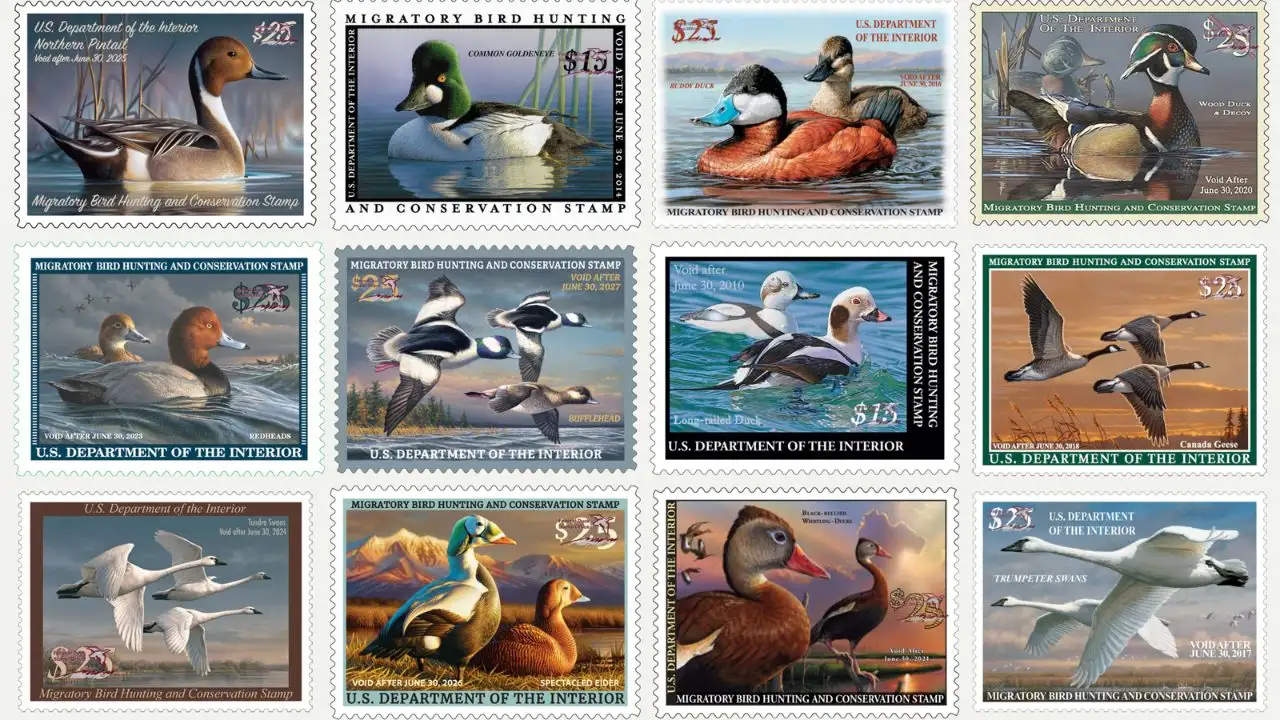
The Duck Stamp. Image Credit: BirdNote
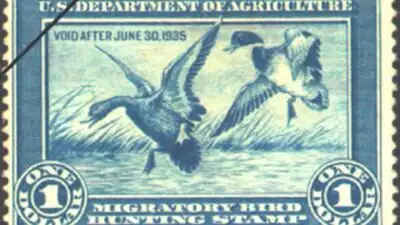
In 1934, the United States introduced a small annual stamp that linked waterfowl hunting directly to wetland conservation. Roosevelt on 16 March that year, required waterfowl hunters aged 16 and over to buy a stamp. The first one cost $1 and featured mallards, with artwork created by conservationist and cartoonist J.N. More than nine decades later, the Federal Duck Stamp has raised over $1.3 billion and helped conserve more than 6 million acres of habitat, according to the US Fish & Wildlife Service (US FWS). Congress passed the Migratory Bird Hunting Stamp Act on 16 March 1934, and Roosevelt signed it the same day. The programme had generated more than $1 billion by 2018 and supported conservation of more than 6 million acres of waterfowl habitat, according to the Federal Register. The US FWS now reports that more than $1.3 billion has been raised since 1934. Its Federal Duck Stamp programme states that 98 cents of every dollar spent goes towards acquiring vital habitat or conservation easements within the National Wildlife Refuge System.
The Migratory Bird Hunting Stamp Act, signed by President Franklin D.
They can help purify water, control floods and reduce soil erosion and sedimentation, according to the US FWS. Ding Darling. The Federal Register provides the legal history of the programme. The unusual feature of the programme was its direct connection between hunting and habitat protection. Hunters were the main group required to purchase the stamp, turning an annual hunting requirement into a source of money for wetlands. The agency also noted that the protected areas benefit many species beyond waterfowl, while wetlands can help with flood control and water purification. The programme also supports smaller wetlands and surrounding uplands through Waterfowl Production Areas. These sites can provide important breeding and nesting habitat, while conservation easements can protect land without necessarily ending private ownership or its working-land uses. The wetlands protected through the programme have practical benefits as well. They also create opportunities for outdoor recreation.