
Image of the University of Maryland. (Image Credits: Wikimedia Commons)
In November 2025, with her own experience of the funding crisis behind her, she decided to take on a commitment that would help other researchers to avoid the same problem. The disease was first documented in the United States back in 2005, and more than 90% of oranges and grapefruits have been decimated since. The method has so far proved effective under laboratory testing, while field testing was in motion when the university published its November 2025 account. Simon joined the University of Maryland in 2000 and subsequently created the department’s virology programme, which she has led, according to department chair Kevin S. A 2016 University account says Simon began advising the creator of the show, Chris Carter, during the programme’s original run. Their connection had developed after Simon watched the show’s first episode in 1993 and recognised Carter’s name through a family connection.
Seven years before she announced her decision to gift millions of dollars to the University of Maryland, a gap between federal research grants had put Professor Anne Simon in a position of losing her laboratory.
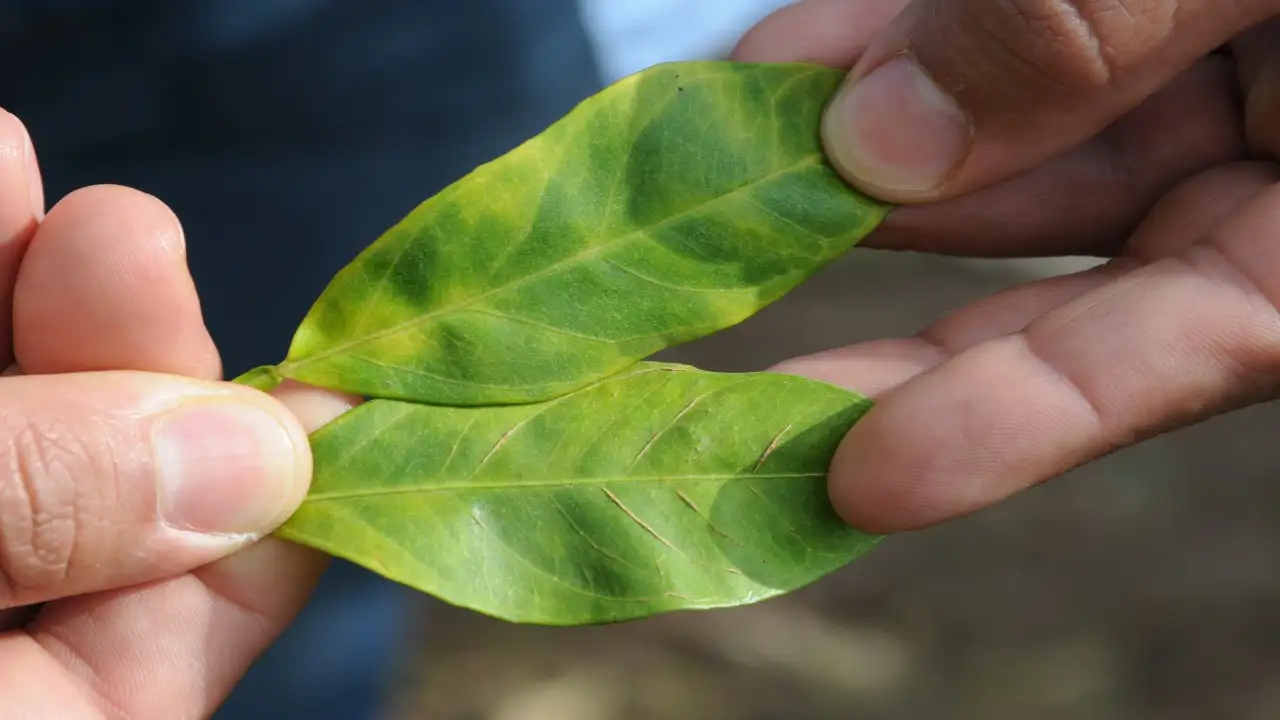
Speaking on her decision, she said “I want to pay it back,” she said in the university’s announcement, adding, “I owe it all to my department. At the time, the virologist was en route to develop a treatment for a disease that threatened citrus trees, and help from her department was what kept the laboratory going. She also emphasised that her objective was to retain established researchers and, at the same time, bring in new ones, particularly junior faculty members. Simon’s work outside of the University gave her the financial means to be able to undertake a huge commitment. She co-founded Silvec Biologics , a company committed to developing a way to combat citrus greening disease, alongside her brother, Rafael Simon. Citrus greening is a bacterial infection that has caused extensive damage to citrus production in Florida. Moreover, it had also been making its way across parts of Asia, the Americas, and Africa At Silvec, the methodology took a different approach; instead of relying on the existing methods, it used an RNA virus to deliver antimicrobial peptides into the trees through a vaccination approach. Silvec’s technology isn’t only defined by the method it offers but also has applications that go beyond citrus. The technology could also be applied to row crops such as wheat and soybeans, potentially reducing the need for fungicides and pesticides. McIver. Her work portfolio includes research in RNA biology and collaborations with scientists at the National Institutes of Health, and an inter-institutional graduate programme to attract students to the field.
Simon is donating $15 million to support two endowed professorships, postdoctoral fellowships, and graduate fellowships, according to the University of Maryland’s College . The remaining $1 million in hand would support the Sondra Simon Memorial Maryland Promise Scholarship, named after her mother, who was a teacher’s aide in Los Angeles public schools for more than 30 years. The commitment also forms part of the university’s Forward: The University of Maryland Campaign for the Fearless , and Simon’s contribution brought the campaign’s total to $943 million as it officially launched.
The professorships will focus on virology and RNA or plant biology.