
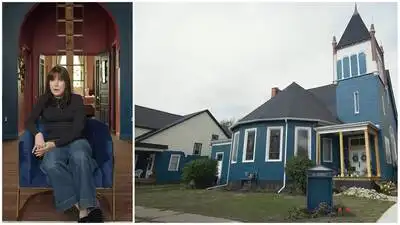
Whitney Anderson, 45, bought a 128-year-old abandoned church in Michigan for $45,000 and is converting it into her dream home. (Photo: CNBC Make It)
Whitney Anderson , 45, took a major financial risk when she bought a 128-year-old abandoned church in Michigan for $45,000 and began transforming it into her dream home. The renovation, which started in June 2024, has already cost her an estimated $194,000, and she hopes to complete most of the work by the end of 2028. In a video feature by CNBC Make It, Anderson offers a look inside the unusual property and explains why she decided to invest her savings in a project that could cost her up to $400,000 by the time it is complete. “It’s still 50/50 if this is gonna be a sustainable chouse house, whatever you want to call it, or if it’s going to be what bankrupts me. Whitney Anderson hopes to turn the church’s adjoining parsonage into a bed and breakfast by 2028 or 2029. (Photo: CNBC Make It) She said it had taken her between three and four years to save approximately $250,000 before making the move. Anderson said it had an 18-inch slope and required custom 44-foot I-joists to level it. Anderson’s renovation includes repurposed church pews, a library wall, stained-glass windows and a kitchen island made using an old door and a communion table. (Photo: CNBC Make It) The renovation received a boost when Anderson signed on to appear on Magnolia’s Home Reimagined in March 2025.
Anderson calls her unusual home a “chouse” – a church that has been converted into a house. Despite the money and effort involved, she says the sense of peace she feels inside the building keeps her motivated. “This is still the biggest gamble I have ever made in my life,” Anderson said. That’s kind of what drives me,” she said. Anderson has spent an estimated $194,000 on renovations since June 2024 and hopes to complete most of the work by the end of 2028. (Photo: CNBC Make It) “I just kind of looked at this as like a house flip on steroids, except I wasn’t flipping this one,” she said. She said she spent around a year and a half essentially camping inside the house as work continued. The Michigan woman calls her unusual home a “chouse” – a church that has been converted into a house. (Photo: CNBC Make It) While the renovation has involved extensive structural work, Anderson has tried to preserve the features that made her fall in love with the building in the first place. She said the work is expensive and will have to wait until she has saved enough money. She said the show helped provide kitchen cabinets, appliances and countertop slabs. Anderson said she understands those responses, but she has also encountered people who appreciate the effort to preserve the property. She said some have thanked her for saving the old building and improving the neighbourhood. “I’m content with my decision,” she said.
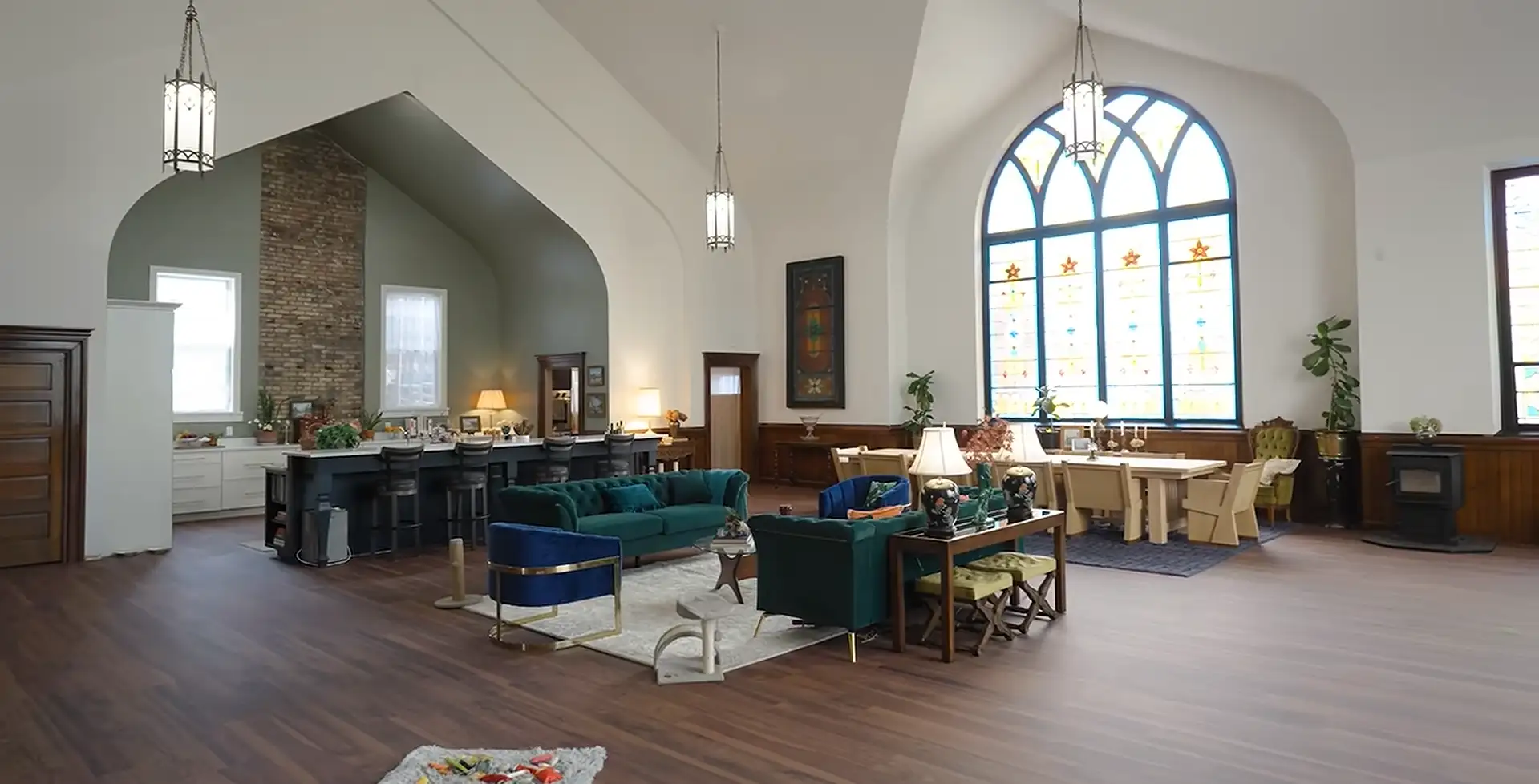
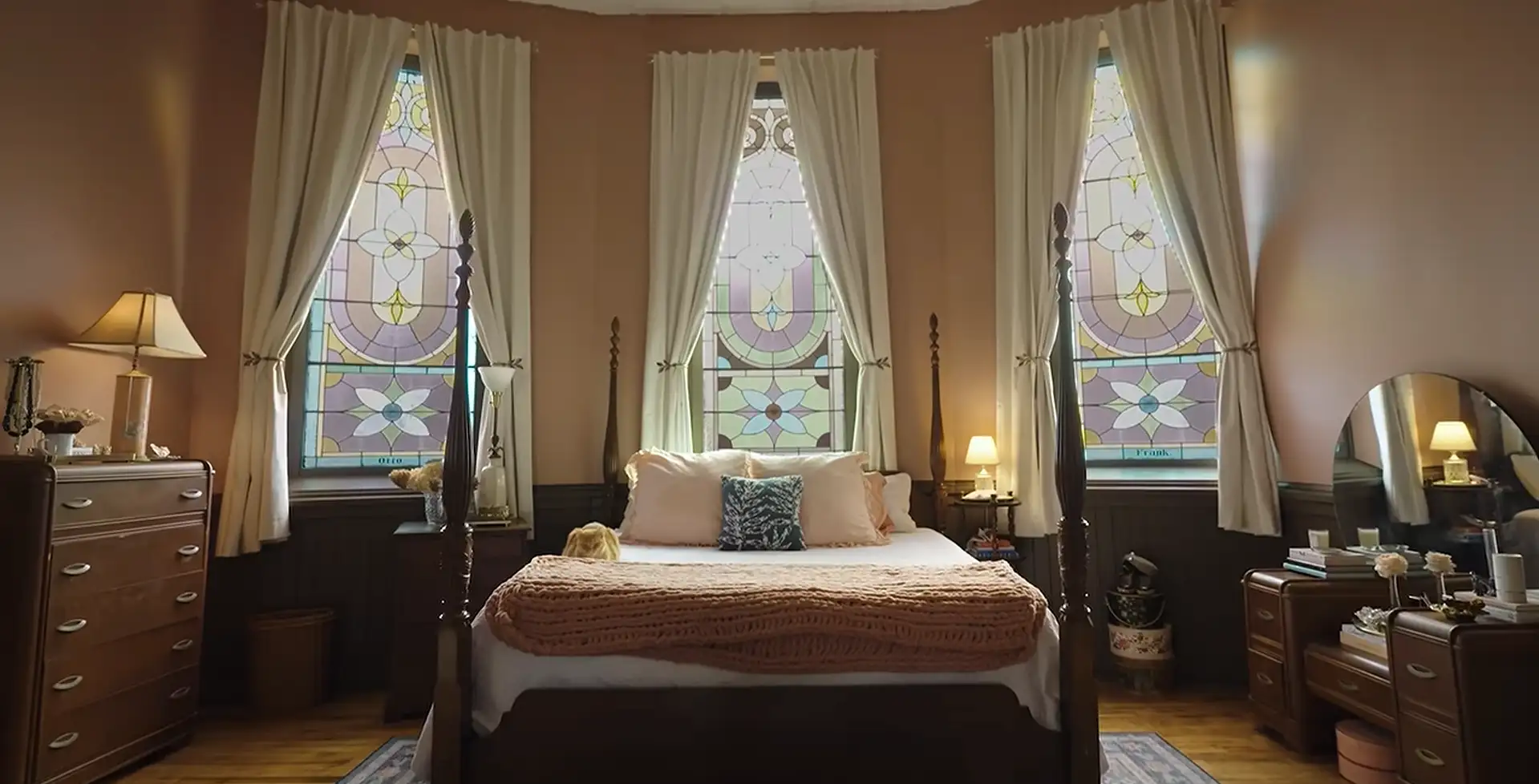
She admitted that she remains uncertain whether the project will become a sustainable venture or leave her financially struggling. But I have this inner feeling of peace every time I’m in here. The challenges extended beyond the buildings themselves. After moving to a town where she did not know anyone, Anderson had to find reliable contractors and manage costs while living in a property that was still being renovated. She also took on a substantial amount of the work herself, including demolition, installing some floor joists, laying the subfloor, doing drywall work and painting. The church’s sloping floor was another major challenge. The entire building also needed to be rewired. The stained-glass windows remain among her most treasured elements, although some require restoration. She has also repurposed materials from the former church to create distinctive features throughout her home. Old pews were shortened to make dining chairs, while parts of the pews were used to build a library wall with bookshelves and a rolling ladder. The dining table is made largely from old pew components. In the kitchen, an old entryway door and a communion table found among the rubble were reused to create the island. Anderson has kept the main living and kitchen areas open to preserve views of the stained glass. She also exposed brick around the chimney and added conventional windows that can be opened. A pellet stove helps keep heating expenses down, while the former church space now includes living, dining, reading and creative areas. Some rooms, including parts of the rotunda and the primary bathroom, remain unfinished. She paid for the fabrication and installation of the countertops, while the production also helped cover carpentry costs for the bookshelves. Anderson also credited social media with helping her reach this stage of the project, saying she would not have made as much progress without the support she received online. The church conversion has drawn mixed reactions, particularly from people who have concerns about a former religious building being turned into a residence. For Anderson, the project remains a deeply personal decision, even as the financial risks continue. “I love this, I love this place, I’m head over heels in love with my chouse and nothing will change that for me. You use AI every day. Now get your AI Quotient. Take the AIQ test.
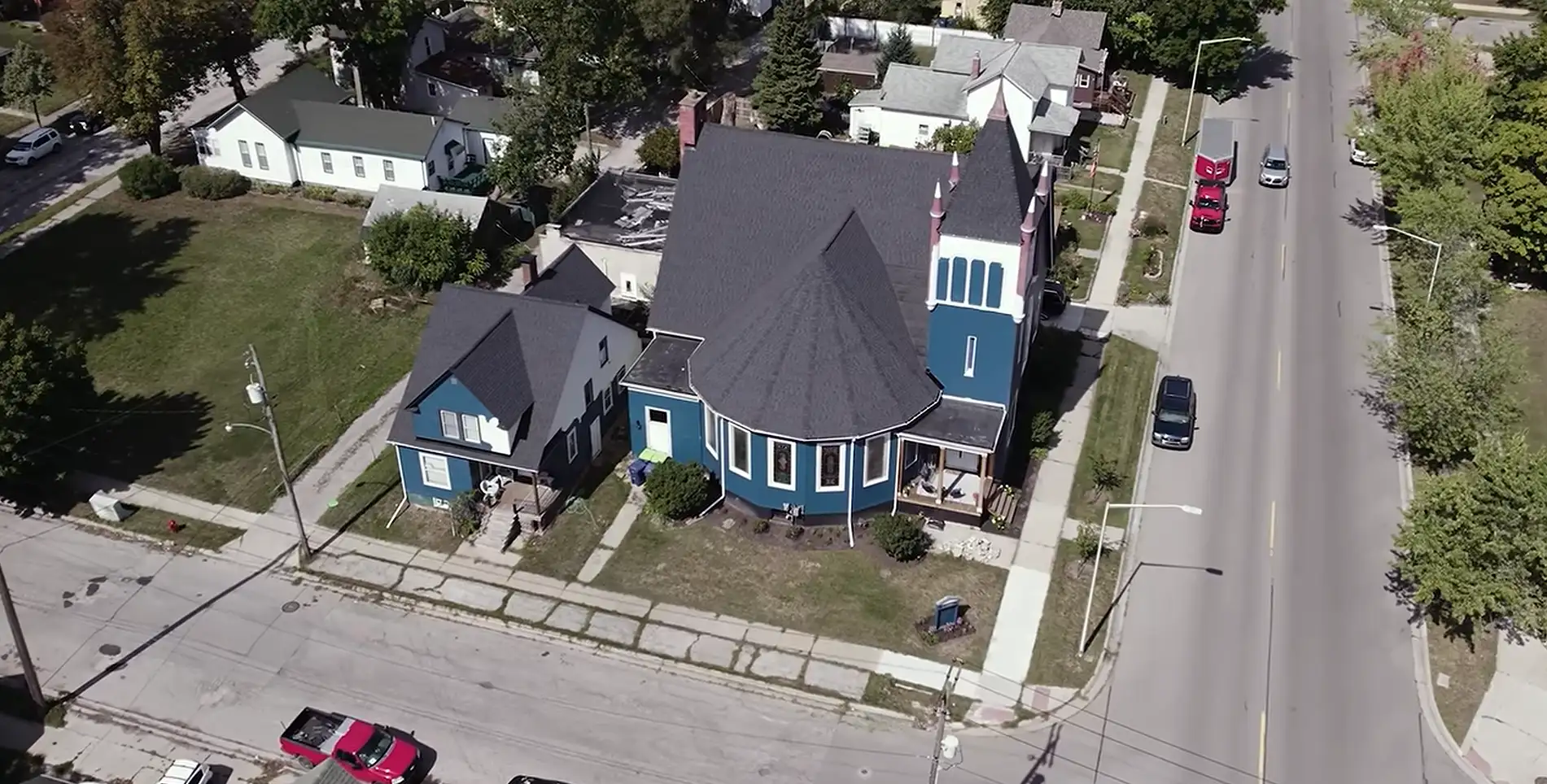
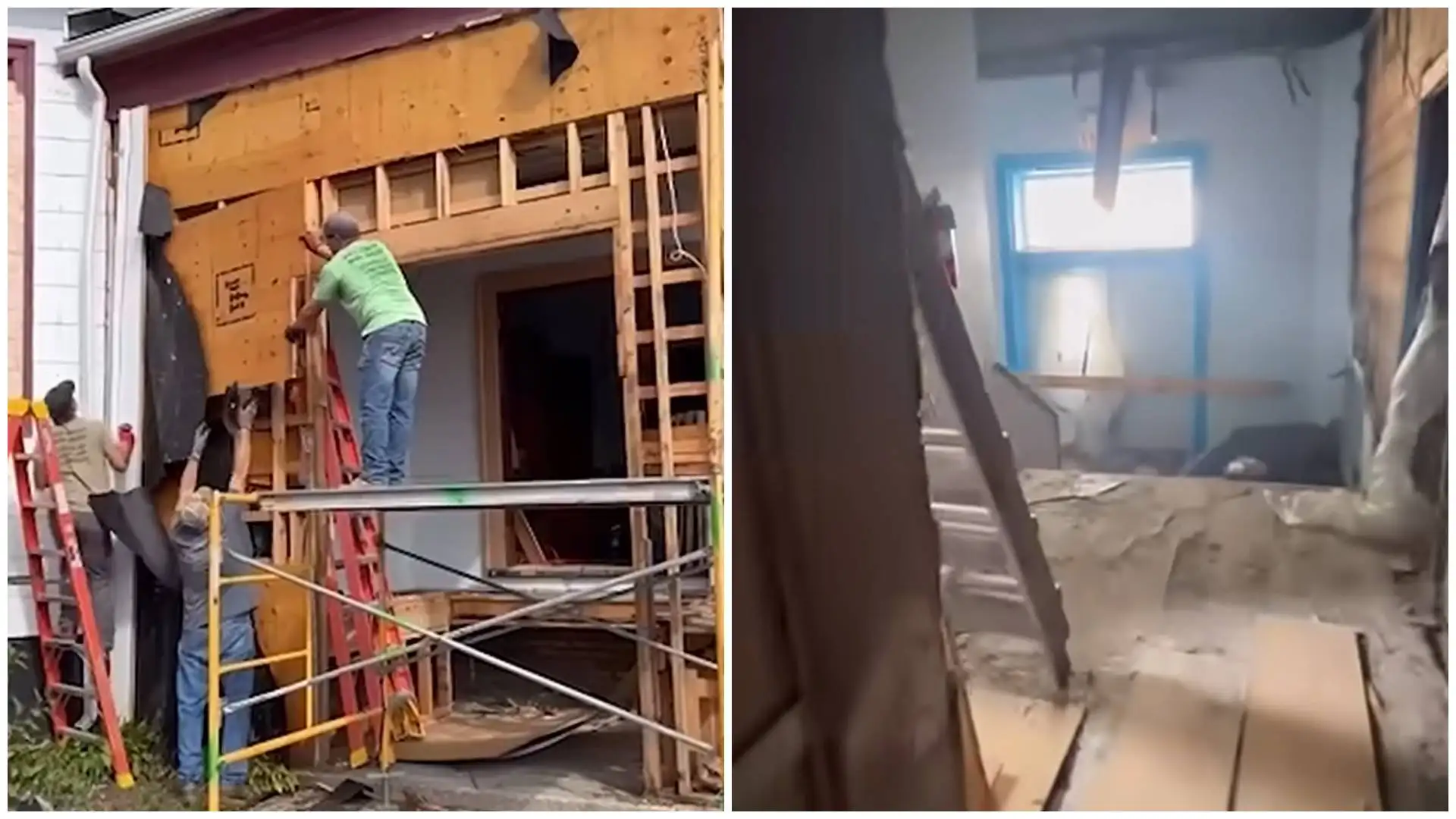
Anderson lived in New York for more than 30 years before moving to Michigan in search of an old church she could convert into a home. The original asking price for the house and church was $125,000, while the lot had also been listed separately for $19,900. Anderson negotiated the price down to $45,000, citing the property’s poor condition. Anderson began work in June 2024, starting with new roofs and gutters for both the church and the accompanying house. Despite the progress, she estimates she has spent about $194,000 on the renovation so far and is taking a break to allow her finances to recover before tackling the next major expenses. She hopes to keep the final cost below $400,000, although she acknowledged that the total remains uncertain.
“It wasn’t necessarily a religious thing, but it was a stained glass thing,” she explained. The idea had stayed with her since childhood, when she would attend church with her grandparents. Her fascination was particularly connected to stained-glass windows and the history of buildings where communities had gathered over generations. She eventually came across a property listing on Zillow for a parsonage, a house traditionally associated with a church, which was being offered with a church included. She paid in cash, meaning she did not take out a mortgage for the purchase. Both buildings had significant water damage, making it essential to address leaks and moisture problems before moving on to the interiors. abandoned and condemned properties, she described this project as a much bigger undertaking Although she had previous experience renovating old.
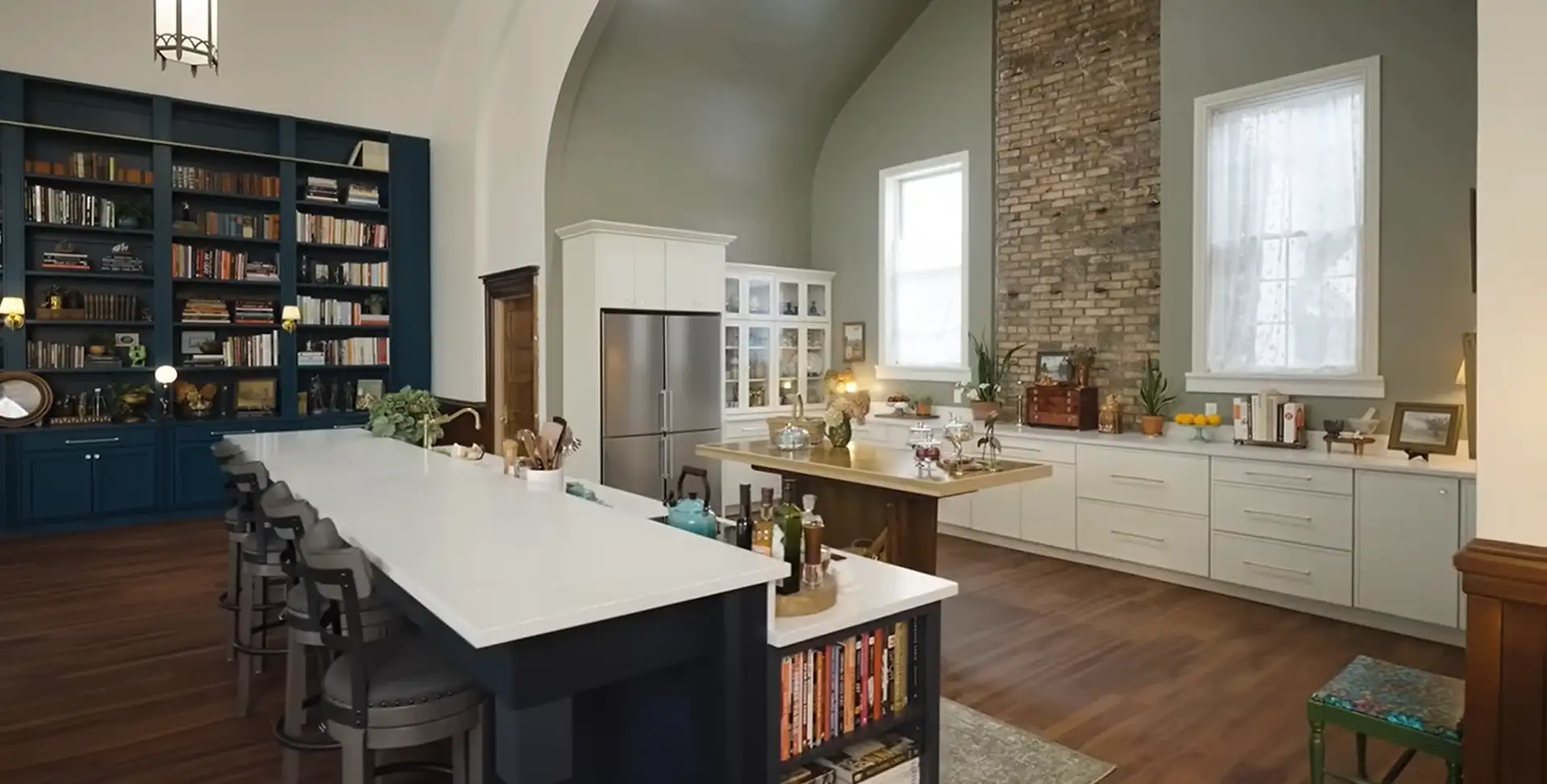
Anderson hopes to keep the total renovation cost below $400,000, but admits she is unsure how much the project will ultimately cost. (Photo: CNBC Make It) Anderson’s plans extend beyond creating a personal home. She hopes to welcome her first visitors by early fall 2028, or possibly in spring 2029. She has long wanted to run a bed and breakfast, combining her love of hosting people with her interest in travel. Her goal is to renovate the adjoining parsonage and open it to guests.