
Almonds are great for health, but how can you maximise its benefits?
An eight-week study involving 76 adults found that soaking almonds did not improve gastrointestinal tolerance. However, softer does not automatically mean easier to digest. Participants generally tolerated both soaked and unsoaked almonds well, although the study found slightly higher reports of flatulence with whole soaked almonds. Both forms retain important nutrients, including protein, fibre, unsaturated fats and minerals. The exact nutritional differences depend on how the almonds are processed, and roasting does not automatically make them unhealthy.
A 2020 study on soaking or ‘activating’ nuts examined almonds, hazelnuts, peanuts and walnuts. Spread raw almonds on a baking tray and roast at about 160–175°C until fragrant and lightly golden, checking often to stop them burning. The most obvious difference between soaked and unsoaked almonds is texture. Dry almonds are hard and crunchy and soaking them allows them to absorb water which makes them softer and easier to bite into. This can be helpful for people who find hard nuts uncomfortable to chew. For some, soaking almonds may also make them tastier. The skin of a dry almond can taste slightly bitter and feel a little astringent, while the nut itself has a firm crunch. Once soaked, the almond becomes plumper, softer and less crunchy. Peeling it removes the skin altogether, giving it a milder taste and smoother texture. But, does soaking almonds have nutritional benefits? The argument for soaking almonds often centres on phytic acid. Phytic acid can bind to minerals such as iron, zinc, calcium and magnesium, which can reduce the amount that your body absorbs from a meal. This is why it is often referred to as an ‘anti-nutrient.’But, its presence does not automatically mean your body cannot absorb those nutrients. Researchers found that soaking produced only small changes in phytic acid levels, with some treatments even increasing them. Mineral concentrations also tended to decrease, particularly when the nuts were chopped before soaking. The researchers concluded that soaking did not improve the availability of minerals. Soaking can make the almonds softer and easier to chew, and can help release some nutrients during digestion. However, there is insufficient evidence to conclude that soaking whole almonds makes them significantly more nutritious or improves mineral absorption. Roasted almonds have a rich nutty taste. Roasted almonds offer something soaked almonds cannot: a deeper, nuttier flavour and a satisfying crunch. Heat brings out their aroma and changes their texture, making them a popular snack on their own or alongside other foods. Roasting changes their nutrient makeup too. Studies indicate that heat can destroy certain heat sensitive compounds, including some polyphenols and certain forms of vitamin E. The degree of destruction is dependent on the type of almond and the conditions under which it is roasted. The effect on antioxidant compounds is not always consistent between studies. Meanwhile, keeping the skin on preserves fibre and provides polyphenols, plant compounds with antioxidant properties. Peeling soaked almonds removes this skin, along with some of its beneficial compounds. More often the greater difference is in how they are prepared and eaten. Plain roasted almonds can make a healthy snack, but varieties that are heavily salted or coated in sugar could be adding unwanted sodium or sugar to your diet. Similarly, soaking almonds does not make them a substitute for a balanced breakfast. Moisture is in the soaked almonds, and they can go bad quicker than dry almonds. Refrigerate and eat them soon, don’t leave them at room temperature for long periods. If you want a crunchier nut, you can dry roast the almonds. Allow them to cool before storing in an airtight container. Soaking almonds every night is a perfectly reasonable habit, especially if you enjoy their softer texture or find them easier to chew. But the scientific evidence does not support the widespread belief that soaking significantly improves their nutritional value, removes most antinutrients or makes them substantially easier to digest. Roasted almonds are equally worth keeping in your kitchen. They retain much of their nutritional value, offer a different flavour and texture, and provide protein, fibre and healthy fats.
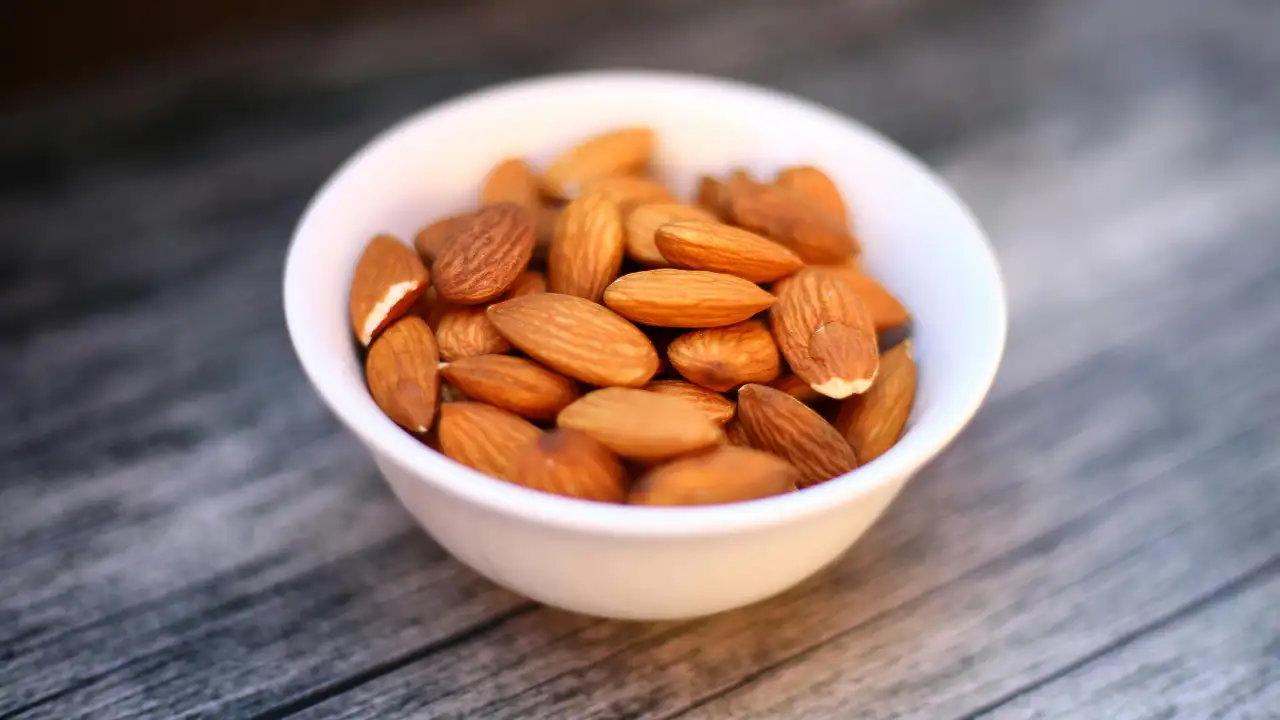
In many cultures, they are also soaked overnight and peeled before being eaten, a practice according to traditional dietary advice. Soaking almonds every night and eating them with breakfast is a childhood habit passed down through generations. For many Indian households, peeling a handful of almonds before school was as much a part of the morning routine as packing a lunchbox. Often, the practice is accompanied by the promise that soaked almonds are better for the brain, easier to digest (and more nutritious) than their unsoaked counterparts. But does soaking actually make almonds healthier, or have we simply inherited a habit without questioning the science behind it? Almonds are among the oldest cultivated nuts, with a history stretching back thousands of years. Almonds are naturally rich in protein, fibre and unsaturated fats. They are a good source of vitamin E, magnesium and manganese, making them a nutritious addition to a well-rounded diet. But the way you prepare them can affect their texture, taste and, to some extent, the availability of certain nutrients. Does soaking almonds make it healthier? Soaking almond can have some benefits, but not in the way you think. Soaking almonds can make it easier to consume them.
Today, they are eaten raw, roasted, salted, blanched and ground into everything from almond flour to badam milk.
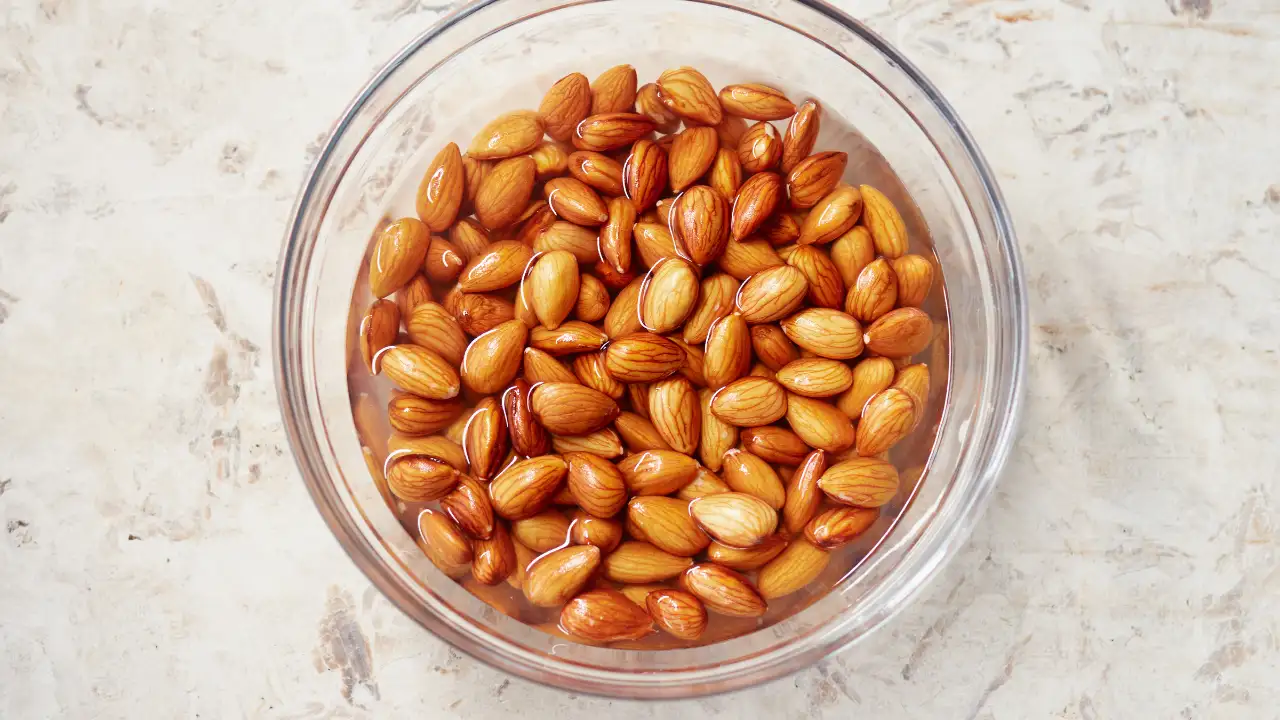
If you grew up peeling soaked almonds before breakfast, there is no need to abandon the ritual. Just remember that it is a preference, not a nutritional requirement. Eat them soaked, raw or roasted, preferably with their skin intact when you enjoy it, and choose the form you are most likely to eat regularly. You use AI every day. Now get your AI Quotient. Take the AIQ test Get the latest Lifestyle News and more. Download the TOI app.