
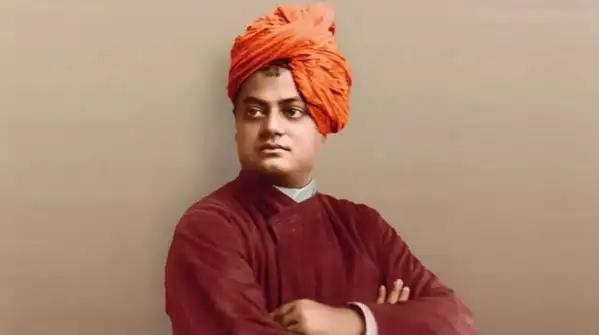
Long before he became known worldwide for the electrifying 1893 speech in Chicago, he was, in many ways, a student himself, restless, questioning, and deeply curious about the world, which is probably why his teachings still land so directly with young people more than a century later. There’s a reason India marks Swami Vivekananda’s birthday as National Youth Day rather than simply remembering him as a historical monk. He never really separated spiritual wisdom from practical, everyday advice, and a lot of what he taught reads less like religious philosophy and more like genuinely useful life coaching. Here are five lessons from his life and words that every student can actually use.
Long before “focus” became a buzzword in productivity circles, Vivekananda was already teaching it as the single most important academic skill a person could develop. He put it plainly: the power of concentration is the key to the entire treasure-house of knowledge, and at the Ramakrishna Mission institutions he inspired, this idea still sits right at the centre of how education is approached, alongside memory and disciplined study habits. Vivekananda returned to this theme again and again throughout his life: that fear, more than any external obstacle, is usually what actually holds a person back. He believed self-belief was the real foundation beneath every other kind of achievement, once telling students, in essence, that believing in yourself has to come before believing in anything greater. For a student facing exam pressure, competition, or the simple fear of not being good enough, that message hasn’t aged a day, confidence isn’t something you wait to feel, it’s something you have to choose to act from first. One of his most quietly powerful lines captures this idea perfectly: all the powers in the universe are already ours, and it is we who put our own hands over our eyes and cry that it is dark. It’s a striking way of saying that most people aren’t actually lacking ability, they’re lacking the awareness that the ability was there all along. For students who constantly compare themselves to classmates who seem naturally gifted, it’s a genuinely reframing thought, the gap is rarely about missing potential, it’s about not yet having removed your own hands from your eyes. What makes these five lessons genuinely worth holding onto isn’t that they came from a revered spiritual figure, it’s that they hold up as just good, practical advice on their own terms. Focus matters more than talent. Fear is usually the real obstacle, not ability. The strength you need is already there, waiting to be uncovered rather than acquired. And an education worth having builds a person, not just a transcript. More than a century after he spoke and wrote them, they still read less like ancient philosophy and more like something a genuinely wise mentor would tell you the night before a big exam.
It’s a simple enough idea, but a genuinely demanding one in an age of constant notifications and split attention, and it’s arguably more relevant to a student today than it was even in his own time.
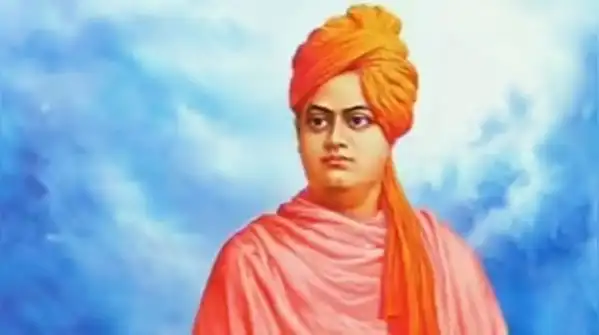
Real education, in his view, was about building the kind of character and inner strength, what he once described as “muscles of iron and nerves of steel”, that lets a person actually face life, not just pass an exam and move on to the next one. There’s a lovely story from his own boyhood that echoes this same idea: when his guru Ramakrishna once tested him by secretly placing a coin under his mattress, then told him afterward, “never trust anything blindly, test it. He argued that knowledge is already inherent within every individual and that perfection exists in everyone from the start, meaning the true function of education isn’t to pour information into someone but to draw out what’s already there. Vivekananda travelled extensively, absorbed ideas from cultures and philosophies far outside his own upbringing, and still remained unmistakably, distinctly himself throughout. His advice on this was direct: learn everything good from others, but bring it in and absorb it in your own way; don’t simply become someone else in the process. Question everything, learn from everyone, but keep arriving back at your own understanding rather than just repeating someone else’s.
This might be Vivekananda’s most quietly radical idea, and it still cuts against how most people think about schooling today.
Pingback: Here are five kinds of grief that can hide behind everyday behaviour