

But while no food can magically “boost” memory overnight, research increasingly suggests that overall eating patterns can influence brain health and cognitive function. The National Institute on Aging says diets rich in vegetables, fruits, whole grains, beans, nuts, fish and unsaturated fats are associated with better cognitive health, although researchers caution that the evidence is not strong enough to claim that any individual food can prevent memory loss or dementia. That means instead of looking for a single “memory food”, it may make more sense to combine nutrient-rich foods regularly.
Forgetting where you left your keys, struggling to recall a name or walking into a room and forgetting why you went there can happen to anyone.

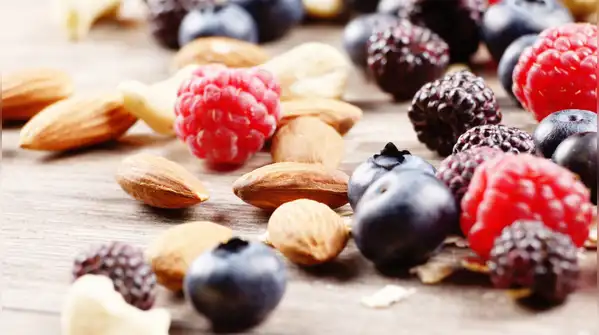
Fatty fish such as salmon, sardines, mackerel and tuna provide the long-chain omega-3 fatty acids EPA and DHA. A handful of berries with walnuts or almonds makes an easy brain-friendly snack. Berries contain flavonoids and other plant compounds that are being studied for their potential effects on brain health. A systematic review of human studies f ound evidence of beneficial effects of berry anthocyanins on cognitive performance, including memory, although more research is needed. Walnuts and other nuts provide unsaturated fatty acids and other nutrients, but evidence for a direct effect of nuts on cognition remains mixed. The combination also fits the MIND diet, which includes berries and nuts among its recommended food groups and has been associated with better cognitive outcomes in observational research. Think grilled salmon or sardines with vegetables drizzled with olive oil. Vegetables add fibre and a range of vitamins and plant compounds, while olive oil supplies unsaturated fat. The combination resembles the Mediterranean-style eating pattern that has been repeatedly studied for cardiovascular and cognitive health. The National Institute on Aging notes that regular fish consumption has been associated with higher cognitive function and slower cognitive decline, although findings across studies are not definitive. For an easy breakfast or snack, combine plain yogurt with berries and a small handful of nuts. It brings together protein, healthy fats and plant foods without requiring a complicated recipe. The broader principle is more important than the individual ingredients: build meals around a variety of minimally processed, nutrient-dense foods. And there is one important caveat: forgetting things occasionally does not automatically mean your diet is lacking. Sleep, stress, medications, alcohol use and several medical conditions can also affect concentration and memory. So rather than searching for a miracle food, experts suggest thinking about the bigger picture. A colourful, balanced diet that supports heart health may also be one of the better ways to support the ageing brain.