
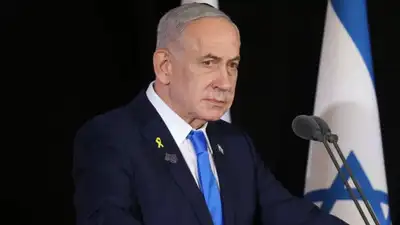
Netanyahu’s far-right allies in Israel are posing biggest challenge for him
Israeli prime minister Benjamin Netanyahu is facing an unusual threat ahead of the October 27 election: divisions within the far-right bloc that support his government. Smotrich’s Religious Zionism and Ben-Gvir’s Jewish Power, which ran together in the 2022 elections, have rejected Netanyahu’s calls for another merger amid tensions. Under Israel’s electoral system, parties must secure at least 3.25 per cent of the vote to win representation in the 120-member Knesset.
The Financial Times reported that Netanyahu has sparred publicly with Ben-Gvir, who rejected a meeting this week to discuss a merger with Smotrich.
Ben-Gvir accused the prime minister of an “attempt to weaken” his Jewish Power party. Meanwhile, smaller parties led by former Likud members and former general Ofer Winter are competing for the same right-wing voters, deepening fragmentation. Netanyahu currently heads a coalition of religious and ultranationalist parties. A party that falls below the threshold receives no seats, making fragmentation particularly consequential for Netanyahu’s bloc.
Netanyahu’s Likud party on Friday rebuked national security minister Itamar Ben-Gvir for refusing to run on a joint slate with finance minister Bezalel Smotrich’s Religious Zionism party, warning that a divided vote could weaken the coalition’s chances of retaining power.
“According to all the polls, a connection between me and Smotrich distances Jewish Strength by 3-4 mandates who won’t come to vote, and the right-wing government will fall!” he wrote on X. Ben-Gvir, however, argues that a merger could cost his party seats.