
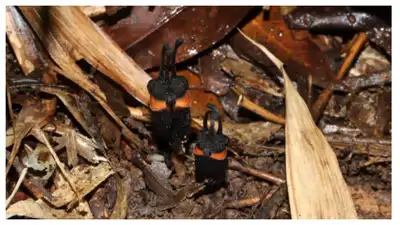
Its unusual, almost supernatural appearance inspired its name: Thismia daemona , or the “devil flower.” Botanists have identified a remarkable new species of leafless flowering plant on the forest floor of a national park in western Thailand.
It was growing at an elevation of nearly 1,000 meters—an unusually high and seasonally dry setting for this group. Life hidden underground The plant belongs to Thismia , a genus of tiny species sometimes called “fairy lanterns. Lacking chlorophyll, these plants cannot carry out photosynthesis. Instead, they draw nutrients through underground fungi and stay hidden beneath leaf litter for almost their entire lives. An unexpected location Botanists from Chulalongkorn University and Prince of Songkla University spotted the plant while surveying Thong Pha Phum National Park. Finding Thismia daemona in the park came as a total shock to Dr. Sahut Chantanaorrapint and his team. Normally, these plants stick to wet, humid lowland jungles, not dry, high-altitude mountain forests like this one. A bigger territory
Researchers know of only one population, containing fewer than 50 individuals within an area smaller than a football pitch. Following the discovery of Thismia daemona , Thailand now counts 16 known species of Thismia . Because its habitat sits inside a park with heavy tourist traffic, it has been provisionally assessed as Critically Endangered, particularly.
Origin of the “Devil flower” name The plant’s striking features explain its dramatic title. The find completely rewrites what scientists knew about where this plant group lives. Spotting it in Thailand extends the known range of the section farther north for the first time. Its flower is mostly black and topped with horn-like appendages rising from a dome-shaped “miter. Bright reddish-orange patches near the base look like glowing eyes. Dr. Chantanaorrapint shared that combined with its subterranean, mysterious life on the forest floor, the team unanimously agreed the name Thismia daemona perfectly captured its enigmatic, demon-like essence. Critically endangered status Despite its vivid appearance, the species faces serious survival risks. Community-led conservation Dr. Chantanaorrapint stressed that saving this plant depends on getting local residents involved. He pointed to UNESCO’s Man and the Biosphere model, which brings nature conservation and everyday community life together. When locals take genuine pride in their surrounding environment, it helps guard the plant’s tiny patch of forest while creating real chances for community-run tourism. Thailand’s growing list of species The research was published in the open-access journal PhytoKeys . Looking for trusted parenting advice? Follow TOI Parenting Circle on Instagram for expert guidance, relatable stories, and practical tips delivered every day.
Thismia daemona belongs to Thismia section Geomitra , which was previously documented only in Peninsular Malaysia, Borneo, and Sumatra.