
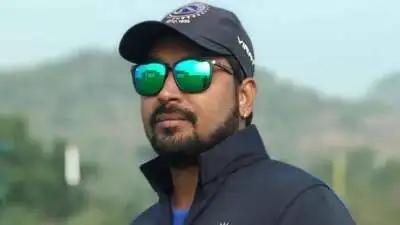
Ratan Kumar
The title ended East Zone’s nearly 14-year wait for the prestigious trophy, and according to Kumar, it was the team’s unity that formed the foundation of the successful campaign. The coach revealed that the strong bonding within the squad became visible both on and off the field, with players from different states naturally mixing during the tournament.
Instead, Kumar said the group quickly developed a culture where every player felt comfortable expressing himself. He reads situations quickly, plans accordingly and communicates clearly with players,” Kumar said. He is growing continuously and has the potential to play for India,” the former Bihar first-class cricketer said. I am grateful that I got the opportunity to coach such a group,” said Kumar.
Having internationals such as Mohammed Shami, Mukesh Kumar and Ishan Kishan, alongside a host of young domestic cricketers, could easily have created divisions within the squad. “You would see Jharkhand players sitting with Bengal players; Subhranshu Senapati , who is the Odisha captain (though he did not get a game), sitting with others and contributing to the team as part of the leadership group. It didn’t feel like they belonged to different teams. That atmosphere was very important. Teams win when they play cricket in a good environment. “Ishan’s understanding of the game is very deep. When you discuss something with him, you don’t need to think too much as a coach. Quraishi came into the squad only after experienced Bengal spinning all-rounder Shahbaz Ahmad was left out with a niggle during their quarterfinal win against North East Zone While Jharkhand captain Singh made way for Mohan in the final. “Kushagra is a very elegant player. His technique is sound and he adapts well to every format. “This championship had been awaited for a long time. We had a very good team this time, but more importantly, we had a very good atmosphere.