(Image Credits: Instagram)
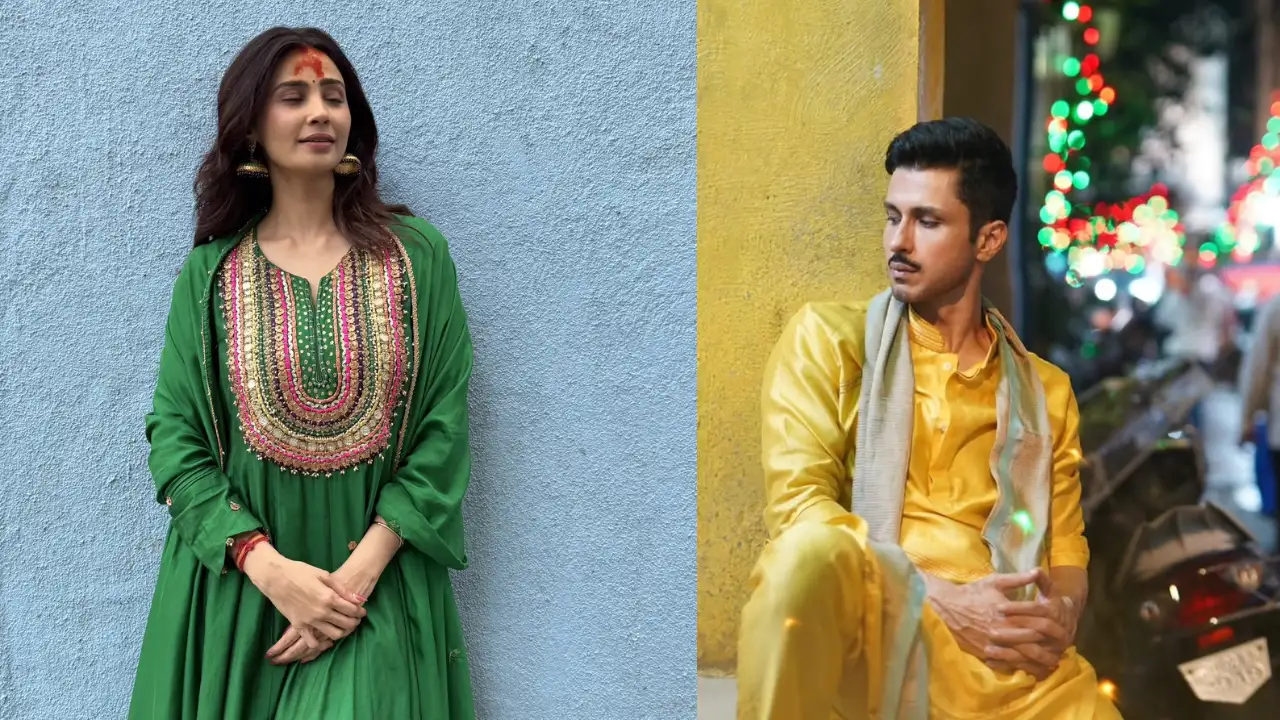
Across Mumbai, Pune and increasingly other cities, the 10 days between sthapana and Anant Chaturdashi are now being treated as their own festive fashion calendar, with a distinct look planned for almost every single day.
Celebrity fashion designer Niti Bothra, Founder and Creative Director of Label Niti Bothra, says the shift has as much to do with how the festival is documented as how it is celebrated. “A festival that used to be marked by one big outfit is now being lived through ten smaller ones,” she says. Ten days used to mean two outfits: one for the day the idol arrived home, and one for visarjan. Not anymore. Families now host aarti and prasad gatherings almost daily through this stretch, and every one of those gatherings is photographed and shared, with an unspoken expectation that each day look distinct from the last.
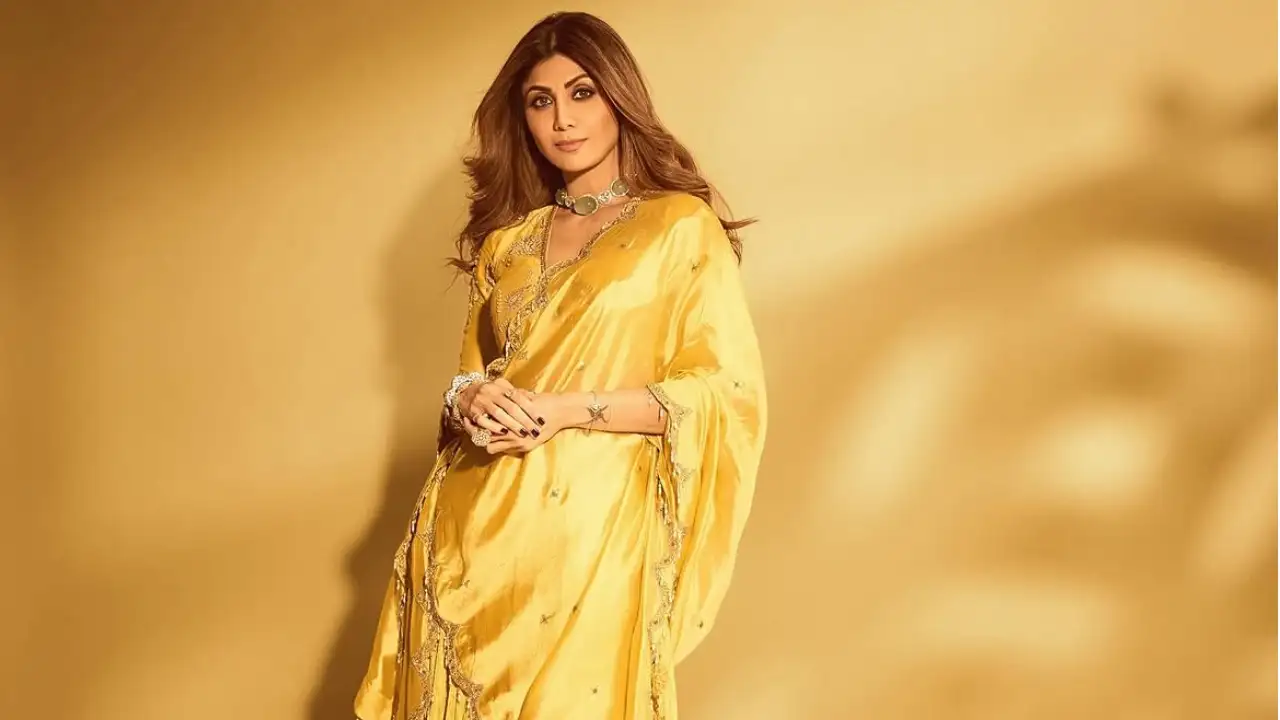
Because they photograph well against the flowers, drapes and brass typically used to decorate the home altar, yellow, worn widely on the first day, gives way to deep reds, festive oranges and greens through the week, chosen partly.
They are no longer buying a single Ganesh Chaturthi look, she says; they are building a capsule that has to hold up across prayer, celebration and farewell, all within the same ten days. Sthapana day, when the idol first enters the home, still calls for the most elevated look of the ten days. One will notice a lot of paithani and Banarasi silk worn that day, paired with the family’s older gold, the kind of jewellery that gets inherited rather than bought new. By the third and fourth days, when many Maharashtrian households also mark Gauri Puja, the palette shifts toward the traditional nine yard nauvari saree, often in deep greens and maroons, paired with a nath and a kolhapuri saaj. Even as silhouettes shift through the festival, colour is what seen as the constant that ties the ten days into a single visual story. Jewellery has become simpler as the calendar has grown longer, with many women choosing smaller, repeatable pieces such as gold jhumkas or bangles that can be worn across several days without feeling repetitive in photographs. The ten day format has ultimately been good for festive wear, since it pushes families to think in terms of a small wardrobe rather than one outfit. Inputs By : Ms Niti Bothra, Celebrity Fashion Designer, Founder and Creative Director, Label Niti Bothra.