
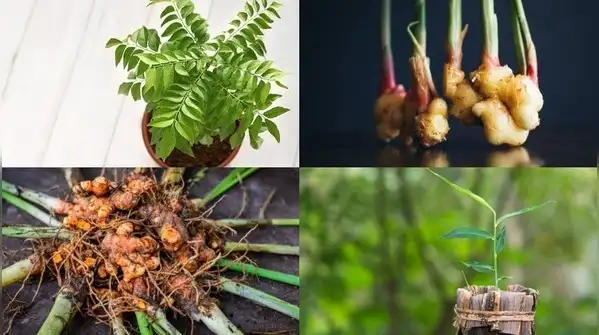
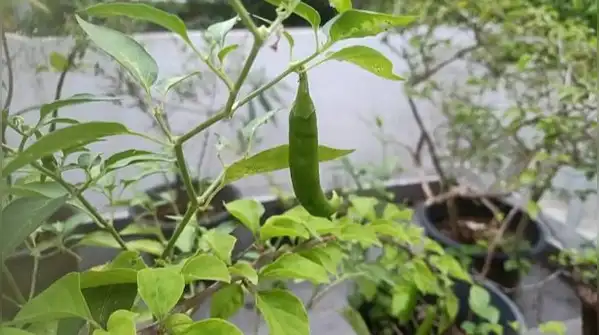
Because you’re one ingredient short, there’s something genuinely satisfying about snipping fresh curry leaves or plucking a green chilli right off your own balcony instead of running down to the store mid-recipe. Most people assume growing spices requires proper farmland or years of gardening experience, but honestly, a good number of everyday Indian kitchen staples grow perfectly well in a pot, even on a small balcony or a sunny windowsill. All it really takes is the right container, a bit of sunlight, and a little patience. Here are six kitchen spices you can grow at home without much fuss, along with what actually helps them thrive.
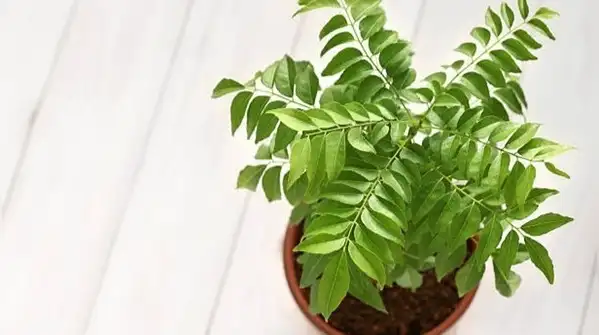
Because store-bought ones wilt so quickly that having a fresh supply right outside your kitchen genuinely changes how often you use them, curry leaves are probably the most rewarding spice to grow at home, mostly. Mint is famously easy to grow, so much so that the bigger challenge is usually stopping it from taking over an entire pot rather than getting it to grow in the first place. Start with a small sapling rather than seeds, since seeds take forever to germinate and often don’t sprout at all. Plant it in a deep pot with well-draining soil, since curry leaf plants dislike sitting in water, and place it somewhere it gets at least five to six hours of direct sunlight daily. It grows slowly at first, but once established, a single healthy plant can keep a household stocked for years, and regular light pruning actually encourages bushier, fuller growth. The easiest way to start is with cuttings rather than seeds, simply placing a few stems in a glass of water until roots appear, then transferring them into soil. It prefers a spot with partial sunlight rather than harsh, direct afternoon sun, and needs consistently moist soil to stay lush. Regular harvesting actually helps the plant grow bushier rather than leggy, so the more you use it in your cooking, the better it tends to perform over time.
Turmeric might sound like an ambitious one to grow at home, but it’s actually fairly forgiving, provided you have a reasonably deep pot to accommodate its underground rhizomes. Plant a piece of turmeric rhizome with visible buds, called eyes, a couple of inches deep into rich, well-draining soil, and keep it in a warm spot with partial sunlight. It takes considerably longer than the other spices on this list, often eight to ten months, before it’s ready to harvest, but the reward is genuinely fresh turmeric root you can grate directly into cooking, with a flavour noticeably more vibrant than the dried powder most households rely on.