
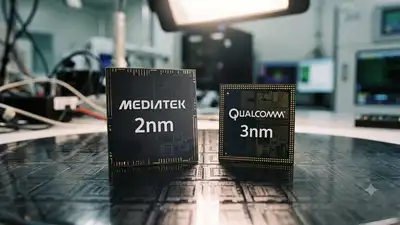
Earlier this month, the Taiwanese chipmaker unveiled the Dimensity 9600 Pro, becoming the first company in the world to launch a flagship smartphone chip built on TSMC’s cutting-edge 2nm manufacturing process – a milestone Qualcomm hasn’t been able to match yet. MediaTek recently made a move Qualcomm currently has no answer for. This launch signals the company’s push deeper into the premium Android smartphone segment, a space where performance, battery efficiency, gaming muscle, camera capability and on-device AI – all at a competitive price point – is deciding which chip manufacturers pick for their flagship devices.
MediaTek already dominates the global smartphone chipset market by volume, commanding roughly 33% market share in the first quarter of 2026, well ahead of Qualcomm’s 22%, according to Counterpoint Research report released in April. In fact, in the second quarter of 2026, MediaTek commanded 31% of share – still bigger share than Qualcomm’s 23% The timing of this launch could not have been better.
With a 2nm flagship chip now in hand specifically built to chase high-end Android design wins, MediaTek isn’t just leading on volume anymore, it’s now taking direct aim at the premium territory Qualcomm has long considered its stronghold.
Qualcomm sent a letter to clients outlining these upcoming increases, which will apply to all products shipped after September 1, according to Bloomberg. MediaTek, the world’s top mobile chipset provider by shipments, says the Dimensity 9600 Pro marks a genuine technological leap, built on the new 2nm process node. The Dimensity 9600 Pro was built specifically to meet that demand, combining a native AI architecture with major gains in both performance and power efficiency to enable next-generation agentic AI experiences, according to Hsu. Qualcomm and Samsung Foundry are currently in talks over a potential 2nm chip production partnership, reportedly tied to the upcoming Snapdragon 8 Elite Gen 6 series, according to a report from South Korean outlet ChosunBiz.
Adding to Qualcomm’s troubles, the company has reportedly told its customers to expect double-digit percentage price hikes starting this fall. Qualcomm said it had exhausted its ability to offset rising supplier costs and had attempted, without much success, to secure alternative components from other sources, according to the letter reviewed by Bloomberg. JC Hsu, corporate senior vice president at MediaTek and general manager of the Wireless Communications Business Unit, said AI has become central to the modern smartphone experience, and devices need sharper performance, efficiency, and intelligence to keep up with how quickly user expectations are evolving.
Being first to announce a chip at this threshold gives MediaTek a clear head start in showcasing innovation leadership, something Qualcomm currently can’t claim. Qualcomm appears to still be scrambling to catch up While MediaTek races ahead. The move suggests Qualcomm wants to split production capacity between Samsung and TSMC rather than depending entirely on one foundry, a defensive strategy rather than the kind of bold first-mover move MediaTek just pulled off.