New EU rules may impact Gujarat industries
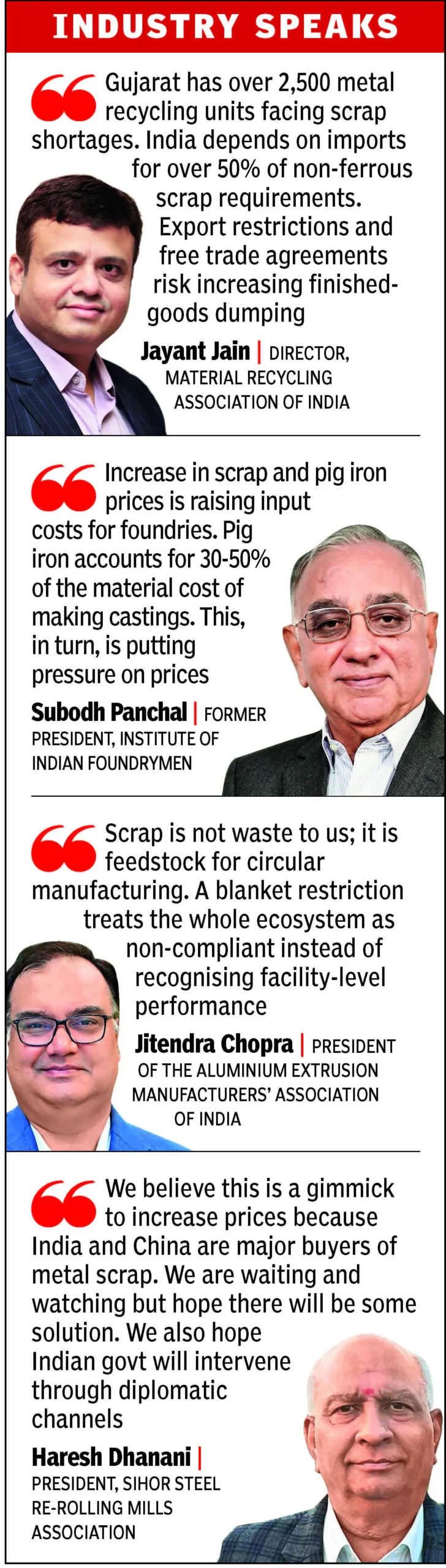
The European Union (EU) will tighten exports of non-hazardous waste to non-Organisation for Economic Co-operation and Development (OECD) countries from May 21, 2027, under Waste Shipment Regulation (EU) 2024/1157. The OECD reported that 42 economies imposed some form of restriction on ferrous scrap exports in 2023, including export taxes, licensing requirements, quotas and prohibitions. Pig iron can account for 30-50% of the material cost of making castings,” said Subodh Panchal, mentor, Institute of Indian Foundrymen.
Because we are highly dependent upon them, ramjibhai Patel, president of the Jamnagar Factory Owners Association, noted: “If European countries do not export to India, it will adversely affect our industry. “We can substitute some material, but it won’t be one-to-one on quality and specification. You Can Also Check: Gold Rate in Ahmedabad | Silver Rate in Ahmedabad | Bank Holidays in Ahmedabad | Public Holidays in Ahmedabad | Ahmedabad AQI | Weather in Ahmedabad | Petrol Price in Ahmedabad | Diesel Price in Ahmedabad | CNG Price in Ahmedabad | LPG Price in Ahmedabad Stay updated with the latest Ahmedabad news.
That volatility would affect prices, delivery schedules and working capital,” said a senior executive at a Gujarat-based recycling and secondary metals company. Replacing established suppliers with alternative sources can also add sourcing and verification costs, industry participants said. That raises melting losses and processing costs,” said a foundry owner. “If material starts coming via third countries, costs go up and transparency goes down, which is the opposite of what responsible recycling supply chains should aim for,” said a compliance head of a non-ferrous recycling firm.
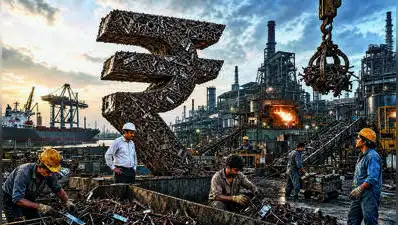
A global tightening of metal scrap exports could raise supply risks and input costs for Gujarat’s recycling and manufacturing industries, which depend on imported raw materials. The waste exports covered will generally be prohibited unless the destination country receives authorisation. Countries must apply and demonstrate that they can manage the relevant waste streams in an environmentally sound manner. The European Commission will publish a list of eligible destinations and the waste categories they can receive, making access to EU supplies conditional on regulatory clearance. Tighter export controls could intensify competition for internationally traded material, increasing procurement costs and supply uncertainty The move comes amid wider restrictions on scrap exports. For Gujarat, the stakes are significant. Ahmedabad, Rajkot, Jamnagar, Bhavnagar and Surat host networks of recyclers, alloy makers, foundries and downstream manufacturers that use ferrous and non-ferrous scrap. Tighter export controls could intensify competition for internationally traded material, increasing procurement costs and supply uncertainty. “If access to EU-origin ferrous and non-ferrous scrap is restricted, we could lose a stable source of higher-quality inputs. Higher Input Costs Squeeze Margins For Foundries And Engineering Units Foundries and engineering units face higher processing costs when scrap supplies tighten or substitute materials fail to meet required specifications. Smaller manufacturers have limited room to absorb these increases, particularly when customers resist price revisions. “We import substantial quantities of scrap metal from Dubai, mainly iron and steel scrap, which is melted and used to manufacture castings, pipes and various grades of steel. Aluminium scrap accounts for a smaller share. Rising raw material costs, including pig iron used by foundries, are likely to push up casting prices. Higher input costs could eventually feed into prices for castings, automotive components, electrical equipment and industrial machinery. Domestic Recycling: A Supply Risk And An Opportunity Tighter export controls could accelerate efforts to improve domestic scrap collection, segregation and processing. Gujarat’s shipbreaking, recycling, foundry and engineering industries provide an established base to channel more recovered metal into manufacturing. However, expanding domestic supply will require investment, infrastructure and better coordination across fragmented collection networks. Download the TOI App.
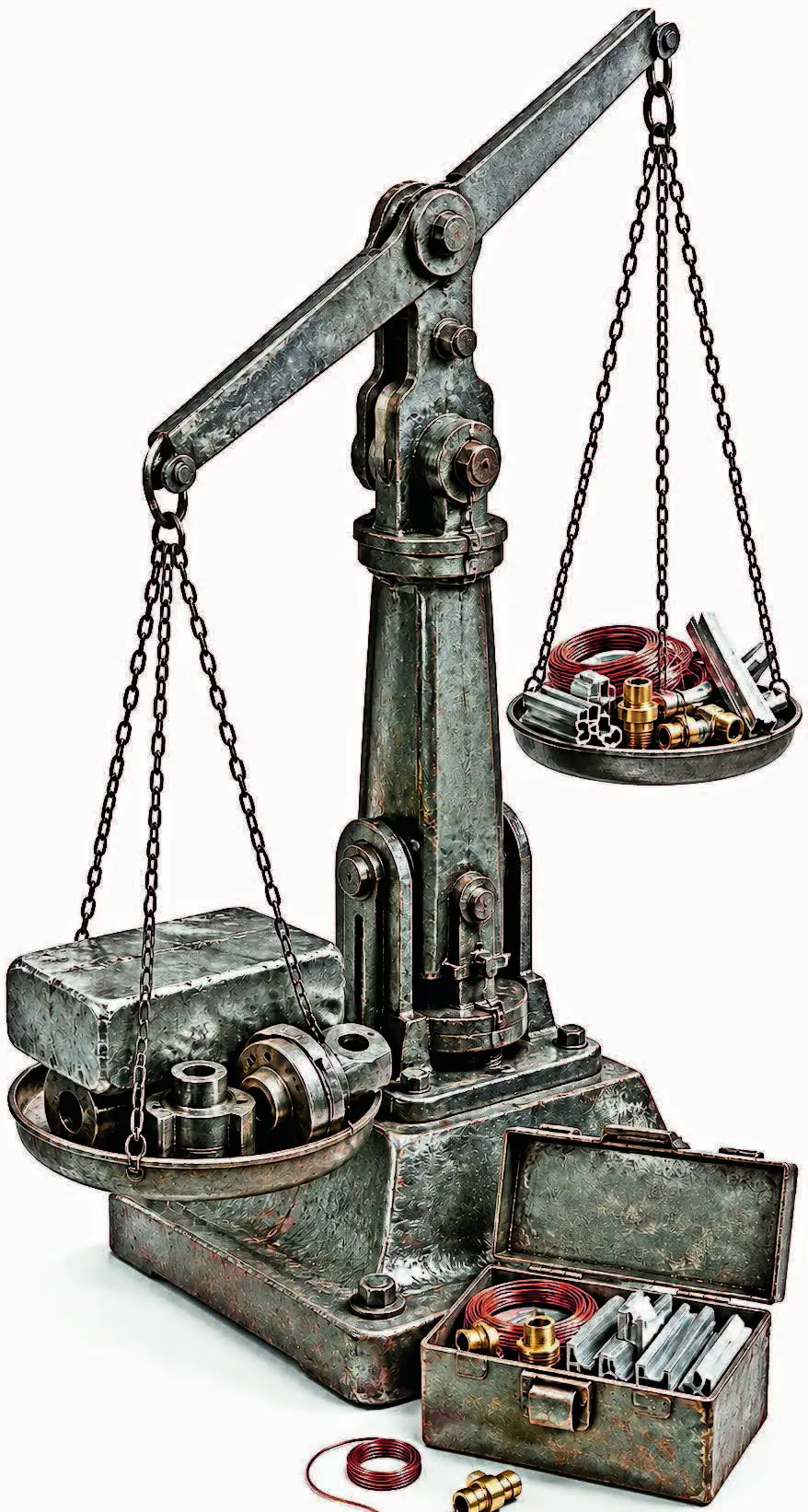
India was among the major buyers of EU metal scrap in 2025, importing material worth approximately $2.1 billion, according to the Metals Recyclers’ Association. This highlights the potential exposure of Indian recyclers to changes in EU export rules.
The state has around 40 large stainless steel recycling units, with combined installed capacity estimated at nearly 30,000 tonnes a month. “Imported scrap accounts for around 90% of our raw material. Stainless steel scrap prices have risen by around 20% in 2026, while availability has fallen by about 10%,” said Chandragupt Prakash Mangal, managing director of Mangalam Worldwide Ltd.
Manish Shah, CMD of ARA Scrap Recyclers said, “Almost all the metals have seen significant price rise in a year and scrap availability has reduced for recyclers. Stainless Scrap Recyclers Struggle As Supply Tightens, Cost Jumps Stainless steel scrap recyclers in Gujarat are grappling with tighter supplies and rising raw material costs amid global export restrictions and disrupted logistics, industry sources said. Prices of finished product have risen in line with raw material costs, but scrap availability remains the key challenge,” said a director at another steel company.
The immediate impact on Gujarat will depend on India’s eligibility under the new regime, the waste categories authorised for export and how global suppliers respond. Meanwhile, existing supply pressures underscore the need for manufacturers to diversify sourcing and strengthen domestic scrap collection. Many countries are supporting their own smelting plants by putting restrictions on scrap exports. Recyclers say sourcing scrap has become increasingly difficult over the past several months, forcing them to adjust procurement and inventory strategies. Export restrictions in various countries and the war have disrupted supplies. The supply crunch has also forced recyclers to hold larger inventories to meet delivery schedules, tying up additional working capital. “Working capital requirements have increased for recyclers. Industry players warned that further disruptions in supplies from overseas could constrain production at recycling units and keep stainless steel prices elevated in the domestic market.
Industry estimates reported by TOI put the cluster’s daily raw material requirement at around 3,000 tonnes. Alang supplies about 400 tonnes and domestic scrap another 600 tonnes, leaving roughly 2,000 tonnes to be met through imports. Industry sources indicate that Sihor churns out approximately 10,000 tonnes of TMT bars, ingots, and billets daily, requiring around 9,500 tonnes of metal input. the remaining 50% is imported as scrap from the US, Gulf nations, and Europe While half of this raw material is sourced domestically. Spanning 7,000 units, the cluster supplies roughly 90% of India’s total brass requirements. Operating at full swing, these units consume between 600 and 700 tonnes of metal scrap a day, relying on foreign imports for 70% of their feedstock.
“When raw material uncertainty rises, customers push back on prices and delivery timelines, leaving manufacturers to absorb the additional risk,” said an official of the All India Non Ferrous Metal Exim Association. Highly Dependent On Imports, Sihor’s Clusters Face An Uncertain Future Gujarat’s steel recycling chain relies on Alang ship-breaking scrap, domestic collection and imports. Sihor’s re-rolling mills illustrate the supply gap. For Gujarat’s re-rollers, casting units and engineering exporters, uncertainty over imported scrap could squeeze margins and weaken competitiveness in price-sensitive export markets. Industry representatives warn that supply disruptions from Europe could push several units toward closure. The re-rolling mill cluster in Sihor, Bhavnagar district — a major manufacturing centre for TMT bars, ingots, billets, and sections heavily relied upon by infrastructure projects — currently operates on substantial imported feedstocks, including mild steel, copper, and aluminium. Local manufacturers caution that any halt in scrap exports from EU nations may leave many operators with no alternative but to shutter their businesses. industry insiders say they are insufficient to meet the cluster’s overall demand While domestic iron ore mines could provide limited relief. A Worry For Units Heavily Reliant On Copper And Brass Supplies The pressure extends beyond ferrous and aluminium scrap. Gujarat’s engineering, cable, pump and brass-component industries also depend on copper and other non-ferrous metals. A similar vulnerability grips Jamnagar’s renowned brass manufacturing sector. Replacing established suppliers with alternative sources can also add sourcing and verification costs, industry participants say