Kalakshetra Foundation presented Gangadhara, a Bharatanatyam production exploring different aspects of Shiva.
Celebrating classical arts legacy This year, the festival bought together more than 150 dancers from India and abroad. On day 1, students of Natya Tarangini, under the guidance of Kuchipudi exponents Raja Radha Reddy and Kaushalya Reddy presented two pieces, including Maha Prana Deepam Shivam featuring different rhythmic patterns and Shivoham, drew from the six verses composed by Adi Shankaracharya that explain the essence of Advaita Vedanta. You Can Also Check: Gold Rate in Delhi | Silver Rate in Delhi | Bank Holidays in Delhi | Public Holidays in Delhi | Delhi AQI | Weather in Delhi | Petrol Price in Delhi | Diesel Price in Delhi | CNG Price in Delhi | LPG Price in Delhi Stay updated with the latest Delhi news.
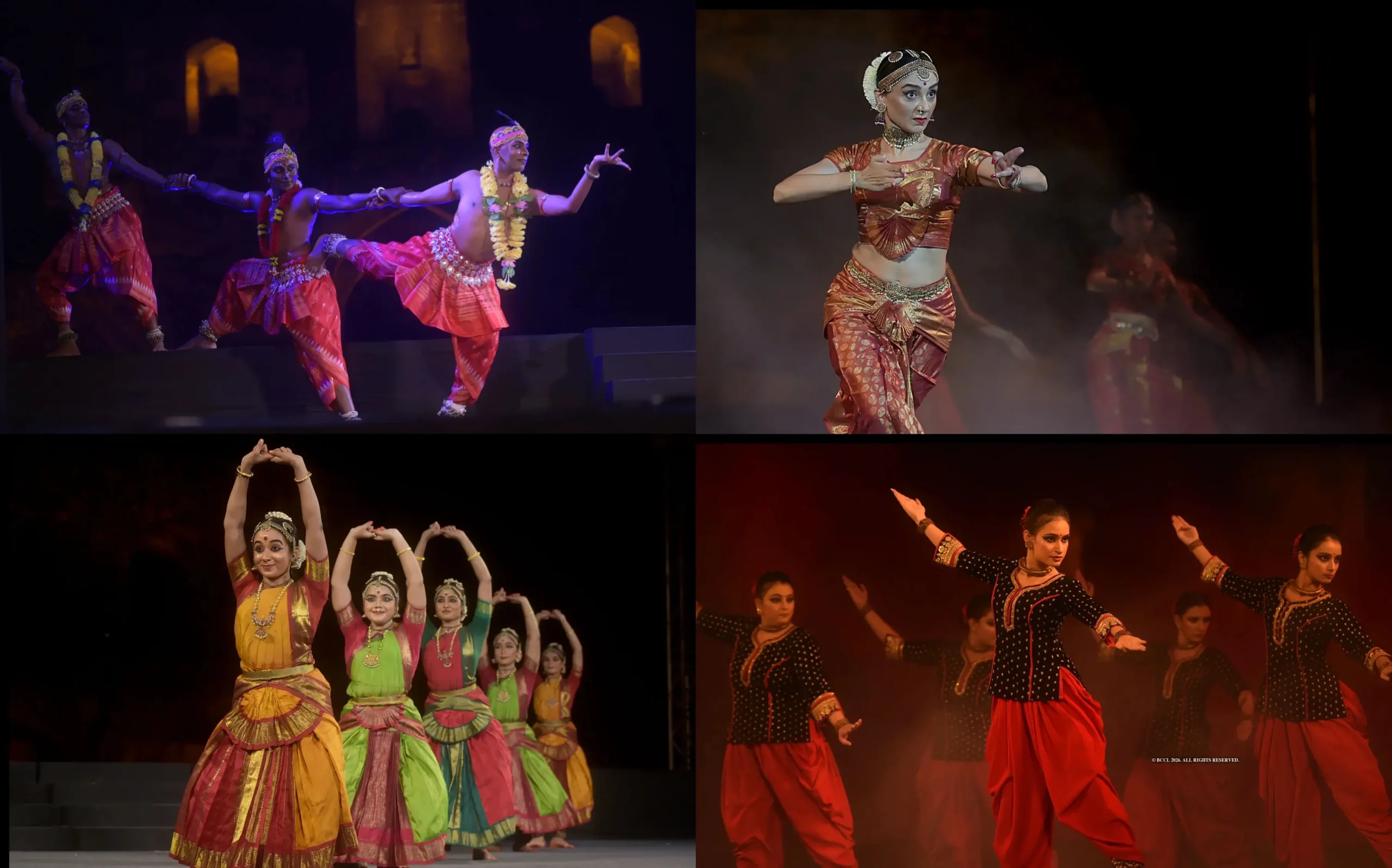
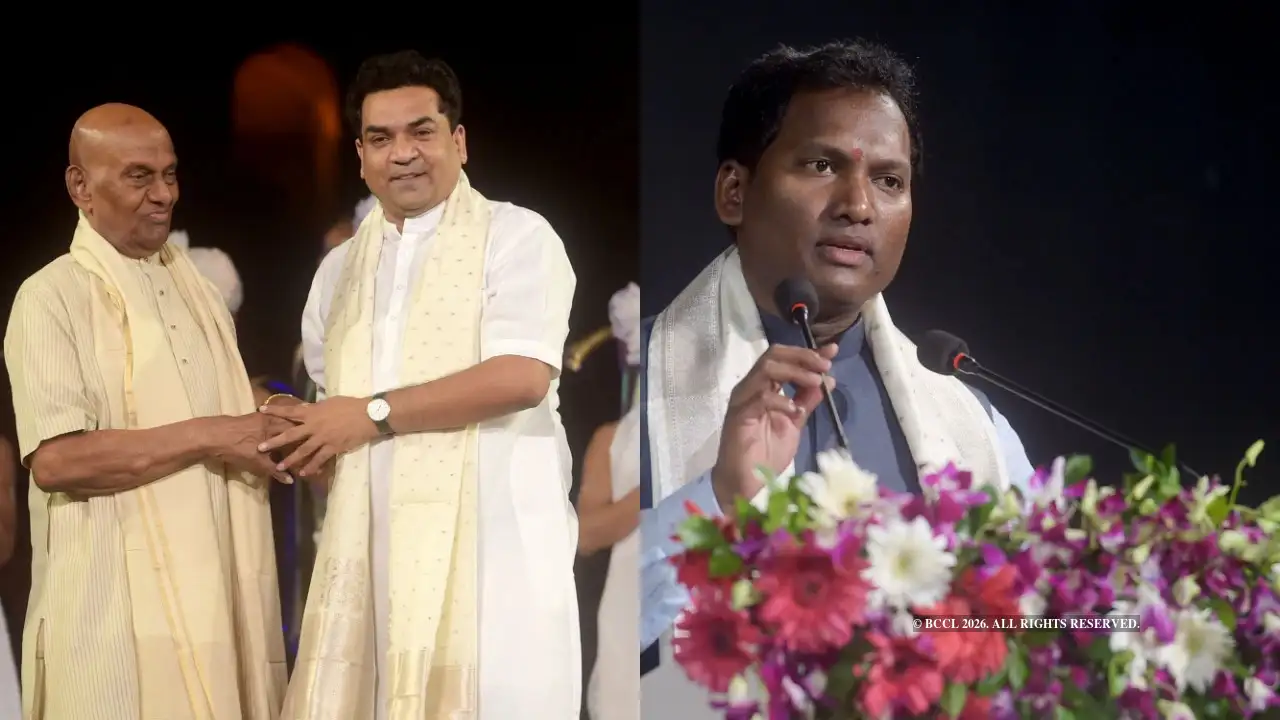
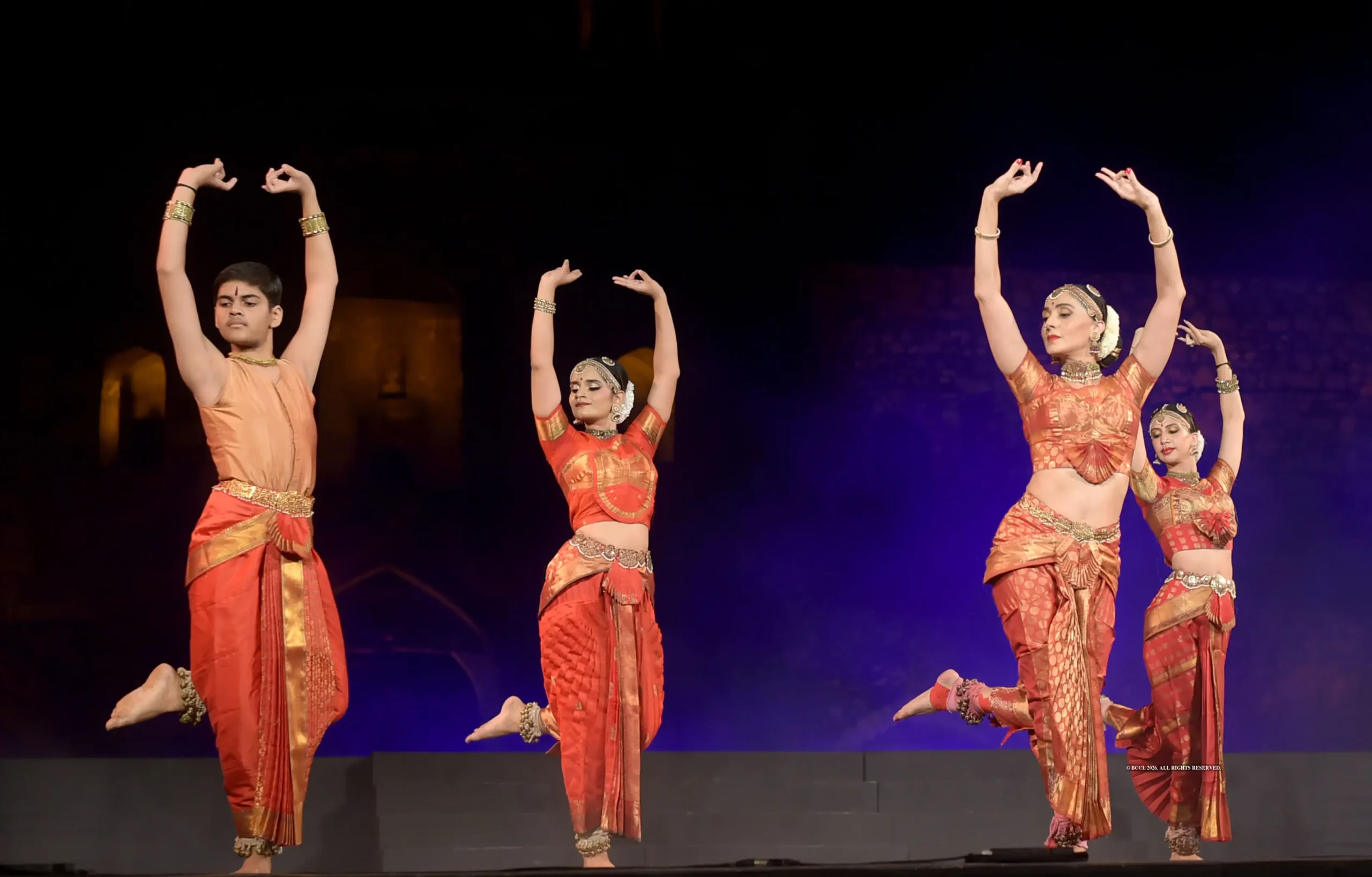
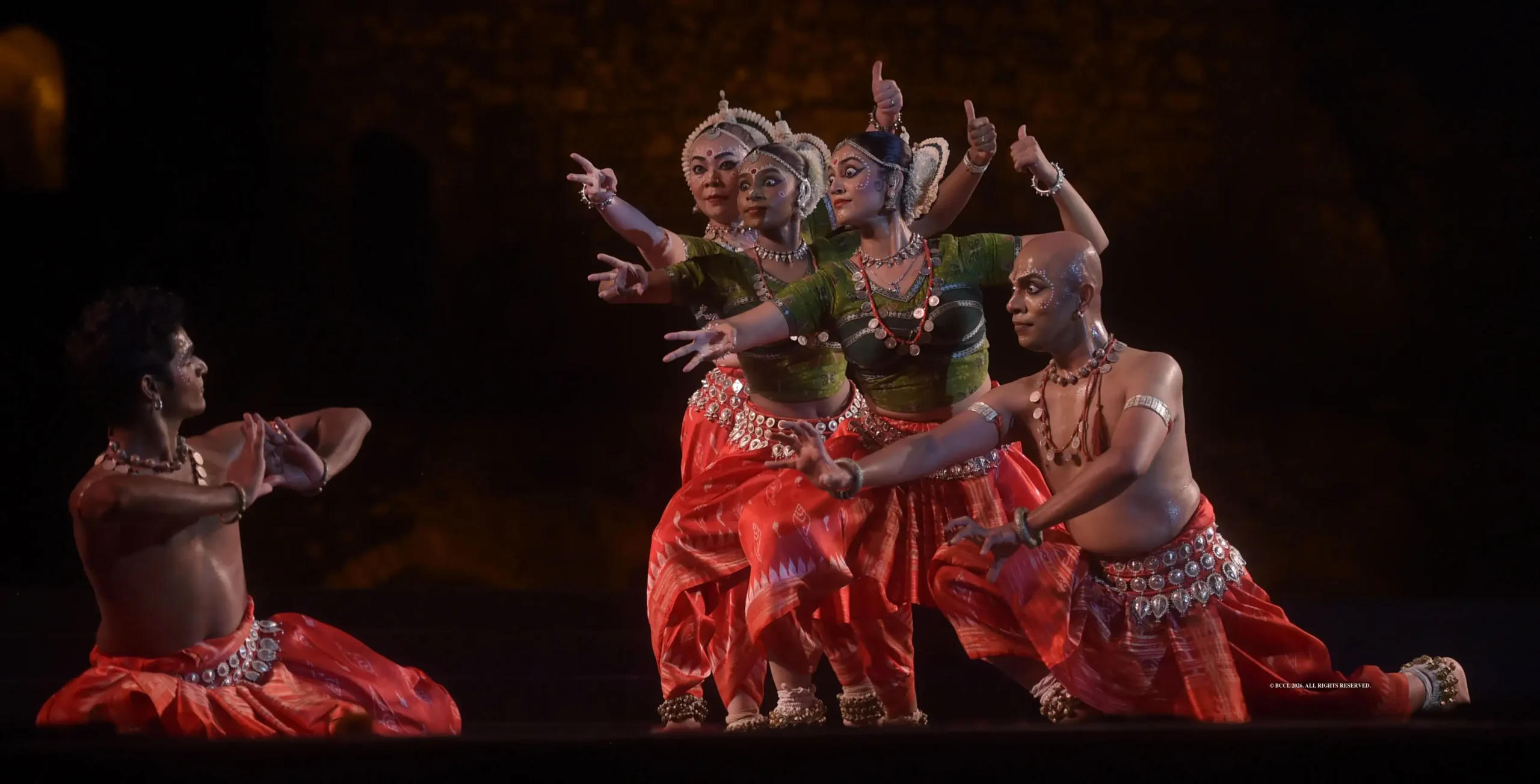
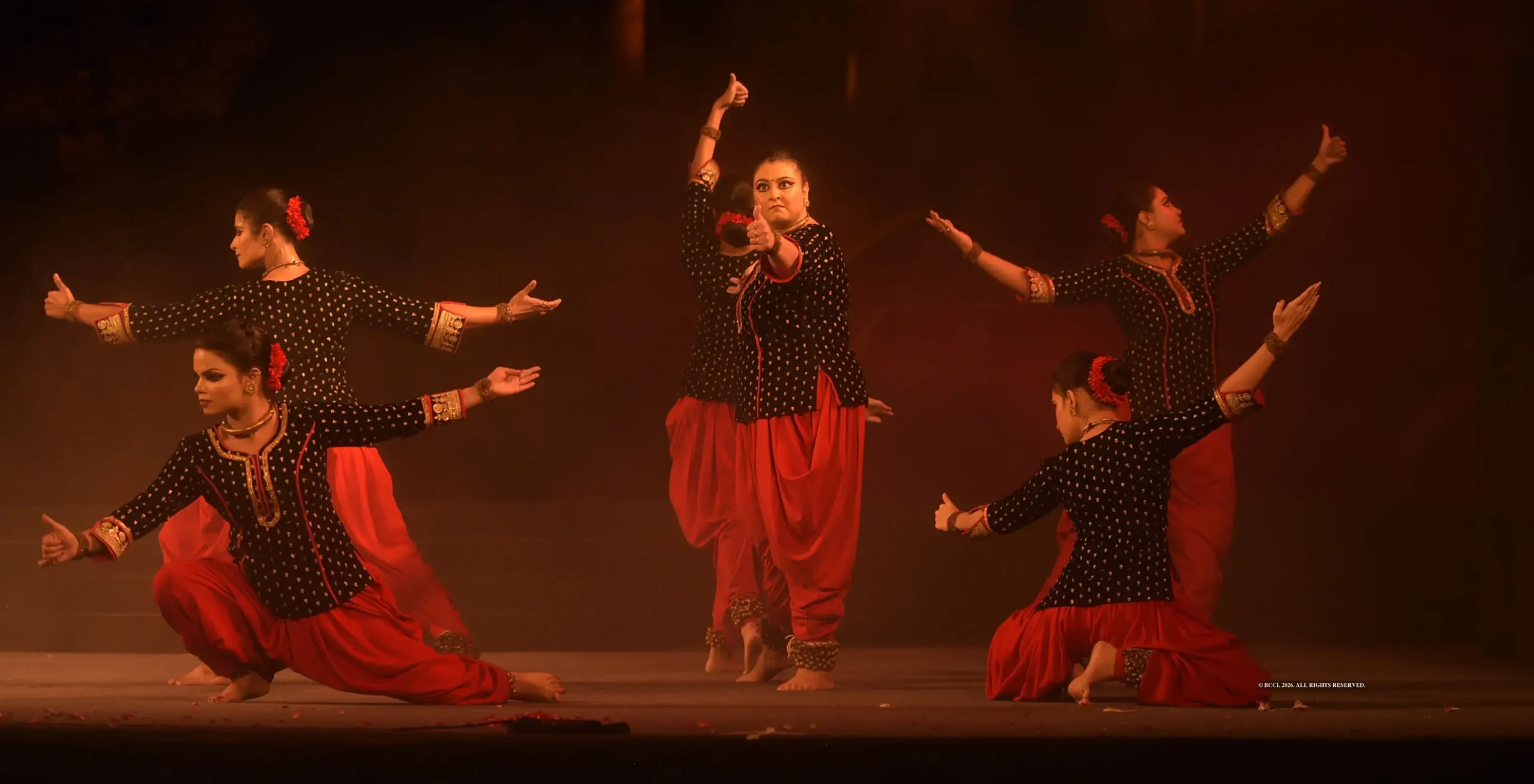
Speaking about it, Suneel Anchipaka, MD & CEO, Delhi Tourism and Transportation Development Corporation (DTTDC), said, “Set against the magnificent backdrop of Purana Qila, this festival beautifully brings together Delhi’s heritage and India’s vibrant classical dance traditions. Delhi has remained a centre of power and through such initiatives it will continue to remain a centre for culture,” he said. The sounds of ghungroos echoed in the Purana Qila precinct as the second edition of the Indraprastha Nritya Mahotsav unfolded over the weekend. Organised by Delhi Tourism, the three-day festival aims to celebrate India’s classical dance traditions while placing them against the historical setting of one of Delhi’s oldest landmarks. Grace meets the grandeur of Purana Qila A light-and-sound presentation tracing the story of Indraprastha and the Yamuna formed part of the evening, with a voiceover bringing the qila into the narrative: “Main ek viraat imaarat hun, meri oonche dwaar aur vishaal diwaare aaj bhi bhavyata aur shakti ki kahaani sunaate hain… Mere bheetar ab bhi goonjte hain anginat geet, jo samay ki thapedon ke beech, jeevan ki atoot dhara ko bahaye rakhte hain… We hope to create a greater awareness and appreciation of these art forms among Delhi’s residents and international tourists. ” Raja Reddy and Kapil Mishra; Suneel Anchipaka Kapil Mishra, Delhi’s Tourism and Culture Minister, spoke about the city’s long and layered history. “This is a city whose history goes back to when human civilisation began. Natya Tarangini students presented a Kuchipudi recital Directed by Ramli Ibrahim, the Sutra Foundation from Kuala Lumpur, presented Fragrant Odissi, showcasing works inspired by the Guru Debaprasad Odissi tradition. The presentation opened with a traditional Mangalacharan, a tribute to Durga, and it was followed by Odia abhinaya, Muha Mukhi Kishora Of poses and poise: An Odissi recital by the Sutra Foundation from Kuala Lumpur Madhavi Mudgal Kalakshetra Foundation presented Gangadhara, a Bharatanatyam production exploring different aspects of Shiva. The presentation featured Thunga Tharange Gange, followed by a Padam, depicting Nataraja’s blissful dance at Chidambaram. The performance concluded with a Thillana showcasing intricate footwork Ramli Ibrahim Choreographed by Kathak exponent Vaswati Misra, students from Dhwani presented The Hero in Shades. It was a Kathak production that explored the complex character of Lord Krishna through episodes from the Mahabharata. The story was narrated through the voice of a woman who serves as a priestess at a Krishna temple. Looking at rituals, faith and the epic from a 20th-century perspective, the production questioned the roles of its heroes and heroines, inviting the audience to reflect on Krishna’s many shades Choreographed by Kathak exponent Vaswati Misra, students from Dhwani presented The Hero in Shades Days two and three featured Bharatanatyam by Parshwanath Upadhye and Aditya P V, Sattriya by Guru Anita Sharma and her group, Mohiniyattam and Kathakali by Guru Pallavi Krishnan, Kathak by Guru Shama Bhate and her group, Folk Chhand by artistes from Delhi, Odissi by Nrityagram, Bengaluru, led by Guru Surupa Sen, Manipuri by Guru Latasana Devi and her group, and a specially composed Bharatanatyam finale by Guru Vaibhav Arekar. Download the TOI App.