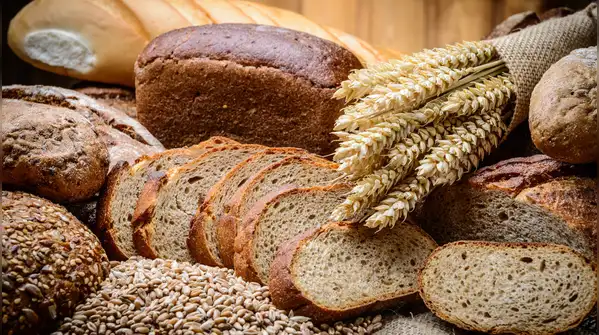
Because whole grains retain the bran and germ, which provide fibre and other nutrients, a wholewheat loaf will generally have a nutritional advantage over bread made primarily with maida.
Brown, wholewheat, multigrain, high-fibre, seeded and “healthy” loaves occupy the shelves, while plain white bread is often treated as the obvious one to avoid. But that does not mean every loaf labelled “wholewheat” is automatically the better buy. Walk into a supermarket bread aisle and the choice can seem almost too easy. But bread is one of those foods where the colour and claims on the front of the packet can tell only part of the story. Refined wheat flour, or maida, loses much of this fibre during milling.

A bread labelled “whole wheat bread” should contain at least 75% whole wheat flour, while “wheat bread” or “brown bread” requires at least 50% whole wheat flour. That distinction is important because “brown” does not necessarily mean “wholewheat”. It is that “wholewheat” is not a complete nutritional assessment. A “healthy” label does not automatically mean the product is low in sodium.
A dark or brown loaf is not necessarily a wholegrain loaf. Bread can get its colour from ingredients other than whole wheat, which is why nutrition experts recommend checking the ingredient list rather than judging bread by appearance. In India, FSSAI’s labelling rules distinguish between different types of bread. White bread, meanwhile, is made with refined wheat flour, or maida. The word wholewheat tells you something about the flour, but it does not tell you everything about the finished product. Packaged bread can contain sugar, jaggery, honey, oils or fats, seeds, dairy ingredients, fibre additives and other ingredients. FSSAI’s standards allow several of these ingredients in bread. So imagine two loaves: one is a relatively simple white bread made largely from maida, while another is marketed as a premium multigrain or wholewheat loaf but contains several added ingredients and substantially more sugar or sodium. In that specific comparison, the plain maida bread could be the more straightforward choice, even though it would still generally provide less fibre than genuine wholewheat bread. The point is not that maida has suddenly become healthier. Bread does not need to taste like dessert to contain added sugar. Some packaged varieties use sugar, honey, jaggery or other sweetening ingredients. Salt is another detail worth checking, particularly if bread is eaten every day. This is why comparing two breads side by side can be more useful than deciding based on whether one is white and the other is brown.