Hyderabad: South Asians, including Indians , tend to develop Type-2 diabetes almost a decade earlier than their European counterparts and at a lower body mass index, according to an expert opinion published in ‘Diabetes, Metabolic Syndrome and Obesity’.
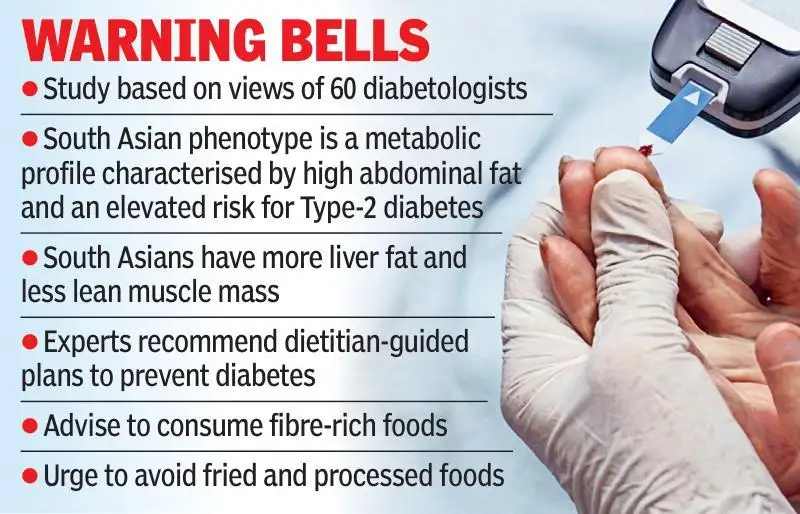
The study is based on the views of 60 diabetologists and endocrinologists across the country with broad clinical experience ranging from 15 to 35 years. Asians tend to have 3–5% more body fat at a given BMI. A national survey found carbohydrates made up 62.3% of daily energy intake, mostly refined cereals, milled grains and added sugars, while protein supplied only 12%, according to the experts. Among diabetes patients, only 14.8% met their protein needs and 21.2% their fibre needs. Almost all experts (98%) agreed that diabetes in India was unique, and 86% said recognising it was extremely important. They most often cited high carbohydrate intake (82%), central obesity (78%), insulin resistance (76%), poor protein intake (75%) and low muscle mass (69%). Assessments should include weight, BMI, waist circumference, lipid profile and repeated 24-hour diet recalls, using South Asian-specific cut-offs. Most experts (64%) recommend meal replacements to a quarter or fewer of such patients. Short-term trials of up to 24 weeks showed benefits for blood sugar and HDL cholesterol, but they were small. The South Asian phenotype is a distinct metabolic and body composition profile characterised by high abdominal fat and an elevated risk for Type-2 diabetes and heart disease, even at a normal body weight.
You Can Also Check: Gold Rate in Hyderabad | Silver Rate in Hyderabad | Bank Holidays in Hyderabad | Public Holidays in Hyderabad | Hyderabad AQI | Weather in Hyderabad | Petrol Price in Hyderabad | Diesel Price in Hyderabad | CNG Price in Hyderabad | LPG Price in Hyderabad Stay updated with the latest Hyderabad news.
They carry a higher body fat percentage despite normal or low BMI, more visceral and liver fat, and less lean muscle mass, according to the research available online. With 61% of experts reporting that over half their patients were overweight or obese, the report highlights “diabesity”. Experts point out that a distinct ‘South Asian phenotype’ explains the gap. Compared with white Europeans, South Asians have higher insulin levels and greater insulin resistance, along with more abdominal obesity. South Asians are also more prone to high triglycerides, low HDL cholesterol and higher inflammatory markers. They carry a greater genetic burden of beta-cell dysfunction and insulin deficiency as well. On prevention and management, the experts called for individualised, dietitian-guided plans that reflect food habits, culture, religion and income, rather than extrapolating from Western guidelines. They advised more complex carbohydrates, fibre-rich foods such as millets, vegetables, fruits and nuts, and more protein, while eliminating fried, processed and refined foods. High-protein, high-fibre supplements might help those with poor nutrition intake, obesity, fatigue or uncontrolled blood sugar, but food sources should come first, and use should be gradual and supervised. Adherence remains a challenge, with most experts saying a quarter or fewer of patients stick to dietary advice for six months. Access to dietitians and affordable products was limited, particularly in rural areas. Download the TOI App.